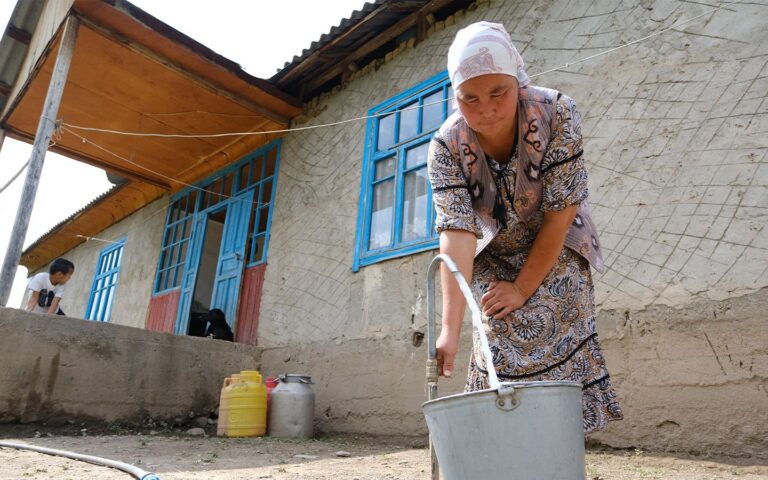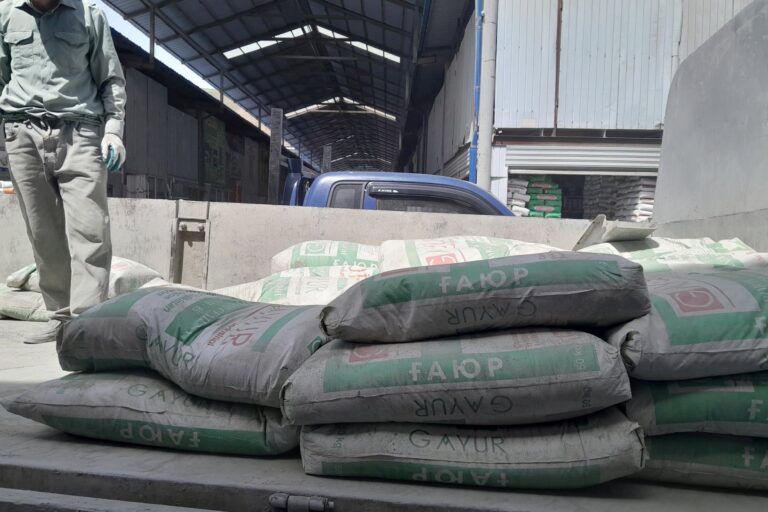
This year, the republic plans to grow 426 thousand tons of cotton on 186 thousand hectares of land. At the beginning of this year, the Ministry of Agriculture of the republic named cotton one of the priority agricultural crops. But these statements are of no use to the dehkans.
Farmers' incomes do not correspond to the priority of cotton in any way, they earn much more from growing grain, fodder and vegetable plants.
But the authorities think differently. In their opinion, a hectare of cotton creates more jobs than other agricultural crops. And cotton attracts more currency to the treasury of the state.
In theory, it really is. Cotton can be used to produce fabrics, oil, cake and other products, and if all this is counted together, no agriculture can compare with cotton in profitability.
But the thing is that the main profit settles in the pockets of intermediaries, buyers and processors, and the manufacturer has very little left. In addition, often dehkans are not paid money on time.
Complaints of cotton farmers are heard everywhere, including social networks.
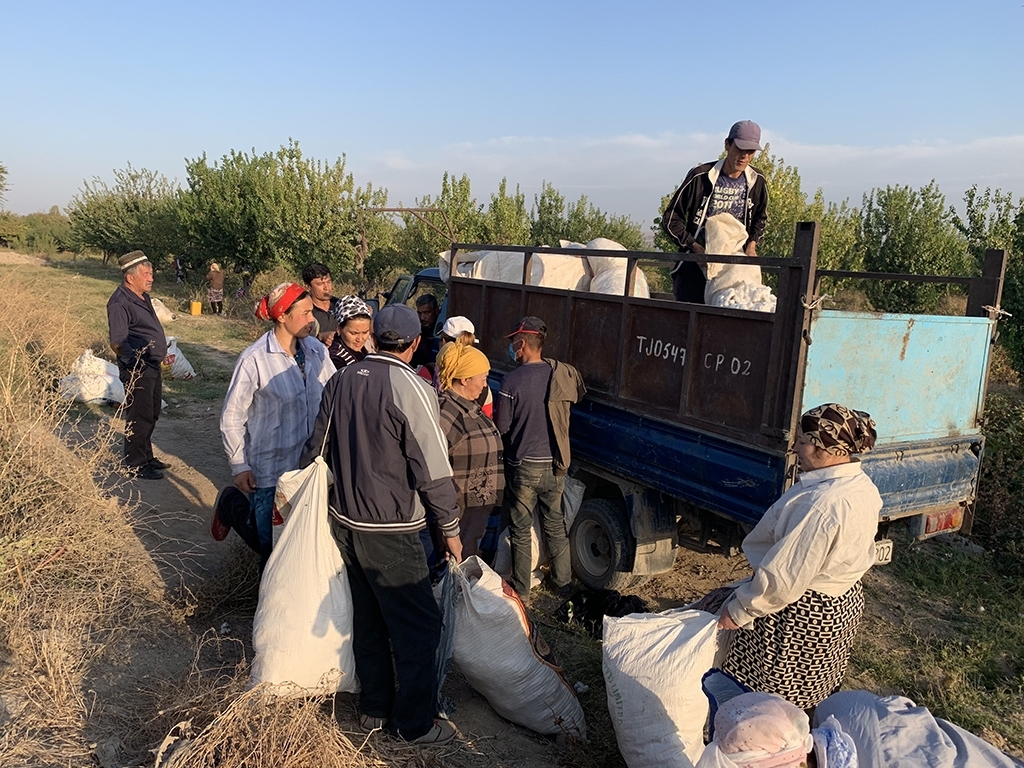
One of them listed the following expenses:
"1 kg of cotton seeds is 10 somoni, a bag of saltpeter in the season this year has decreased from 600 to 350 somoni, diesel fuel costs more than 10 somoni per liter, in addition, you need to pay for the services of machinery and collectors, for water."
In groups, users ask about cotton prices. Some optimists hope that the price of raw cotton will increase at the end of the year. But long-term observations show that it is at the height of the cotton harvest season that prices for it fall.
According to sources, world cotton prices are kept in the range of $80-90 per 100 pounds (45.36 kg). That is, the price of 1 kg is on average $1.8.
Meanwhile, Tajikistan receives a good profit from the export of cotton fiber. According to the Customs Service, for 6 months of 2023, its exports exceeded 50 thousand tons, revenue amounted to more than $102 million.
However, this does not affect the incomes of farmers – producers of "white gold" in any way. According to cotton growers, purchasing companies now offer 6-7 somoni per kg of harvested cotton.
Meanwhile, along with an increase in the production of raw cotton, the authorities intend to reduce fiber exports by 17%. This means that more enterprises and jobs will be created in the republic due to the growth of cotton processing.
Earlier it was reported that currently light industry enterprises in Tajikistan process only one fifth of the fiber produced in the country.
According to the relevant departments of the economic block of the country, there are more than 100 cotton gin factories operating in the republic, producing more than 100 thousand tons of cotton fiber, of which textile enterprises process only about 20 thousand tons per year…
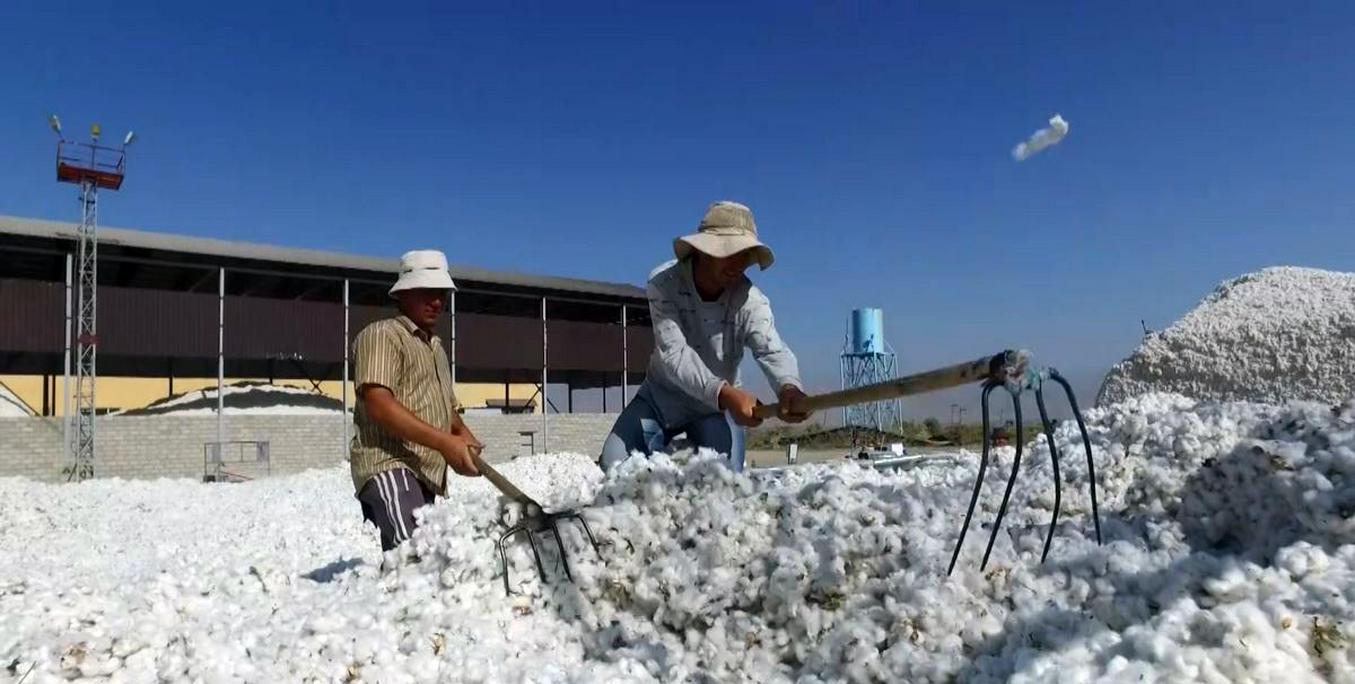
The whole problem lies in the fact that these enterprises do not have the means to purchase cotton from farmers at reasonable prices. Cotton is brought to them by intermediary firms that buy it cheap from dehkans and sell it to enterprises at exorbitant prices, or export it.
The situation of farmers is aggravated by the fact that they are literally forced to grow cotton on small plots.
Agronomist Bakhtiyor Khaitboev speaks about the inefficiency of such production. "Cotton is a profitable plant, but it is effective on large areas, at least 20 hectares. And the majority of small dehkan farms have from 2 to 5 hectares of land," he explains.
As a way out of this situation, the specialist believes it is right to increase the capacity of processing enterprises, but they should directly buy raw materials from farmers for optimal prices without the participation of intermediary firms.
In the meantime, the dehkans are forced to give the collected "white gold" for the prices dictated by the buyers. They have no conditions for storing products in winter.