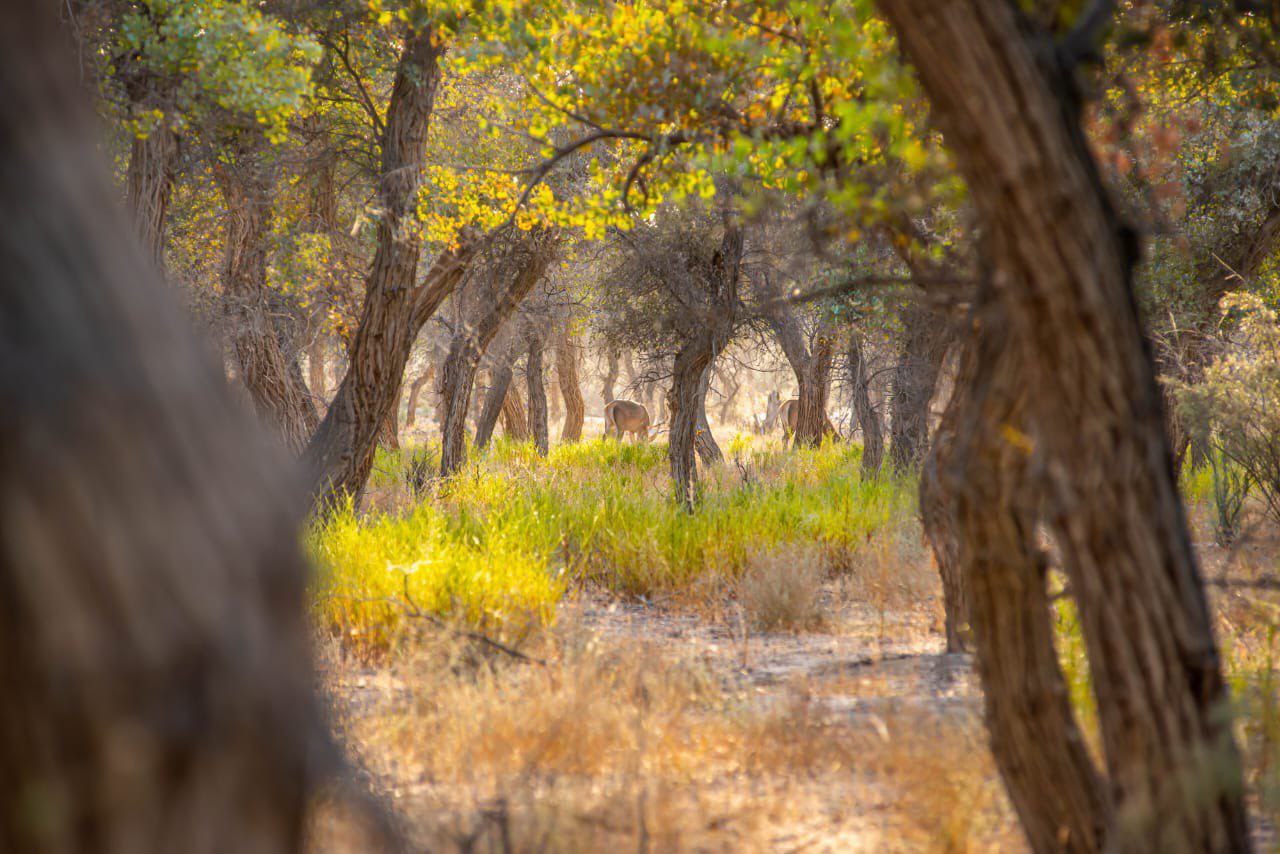
Tugay forests of Tigrovaya Balka Nature Reserves recommended for inscription on UNESCO WHL

An extended 45th session of the UNESCO World Heritage Committee is being held in Riyadh, Saudi Arabia from September 10 to September 25.  The Tajik MFA information department says Tajikistan’s Tugay forests of the Tigrovaya Balka (Tiger Gully) Nature Reserve have been inscribed on the UNESCO World Heritage List (WHL). Based on an assessment carried […]

An extended 45th session of the UNESCO World Heritage Committee is being held in Riyadh, Saudi Arabia from September 10 to September 25. 

The Tajik MFA information department says Tajikistan’s Tugay forests of the Tigrovaya Balka (Tiger Gully) Nature Reserve have been inscribed on the UNESCO World Heritage List (WHL).
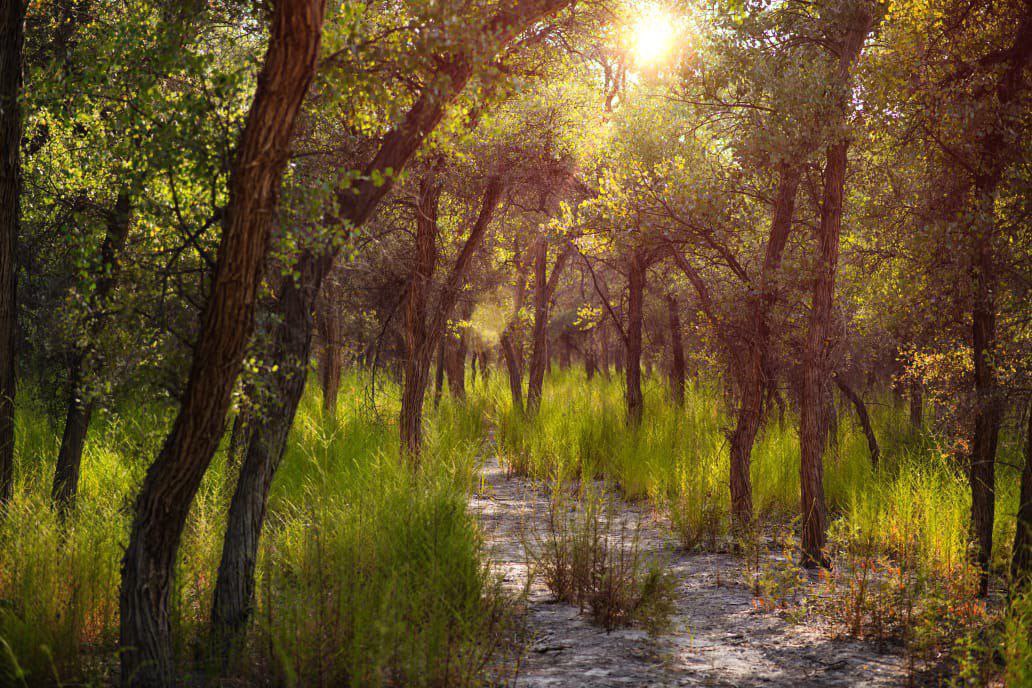
Based on an assessment carried out the International Council on Monuments and Sites (ICOMOS), the Tugay forests of the Tigrovaya Balka Nature Reserve were reportedly recommended for inscription of the UNESCO World Heritage List.     

This property is located between the Vakhsh and Panj rivers in southwestern Tajikistan. The Reserve includes extensive riparian Tugay ecosystems, the sandy Kashka-Kum desert, the Buritau peak, as well as the Hodja-Kaziyon mountains.
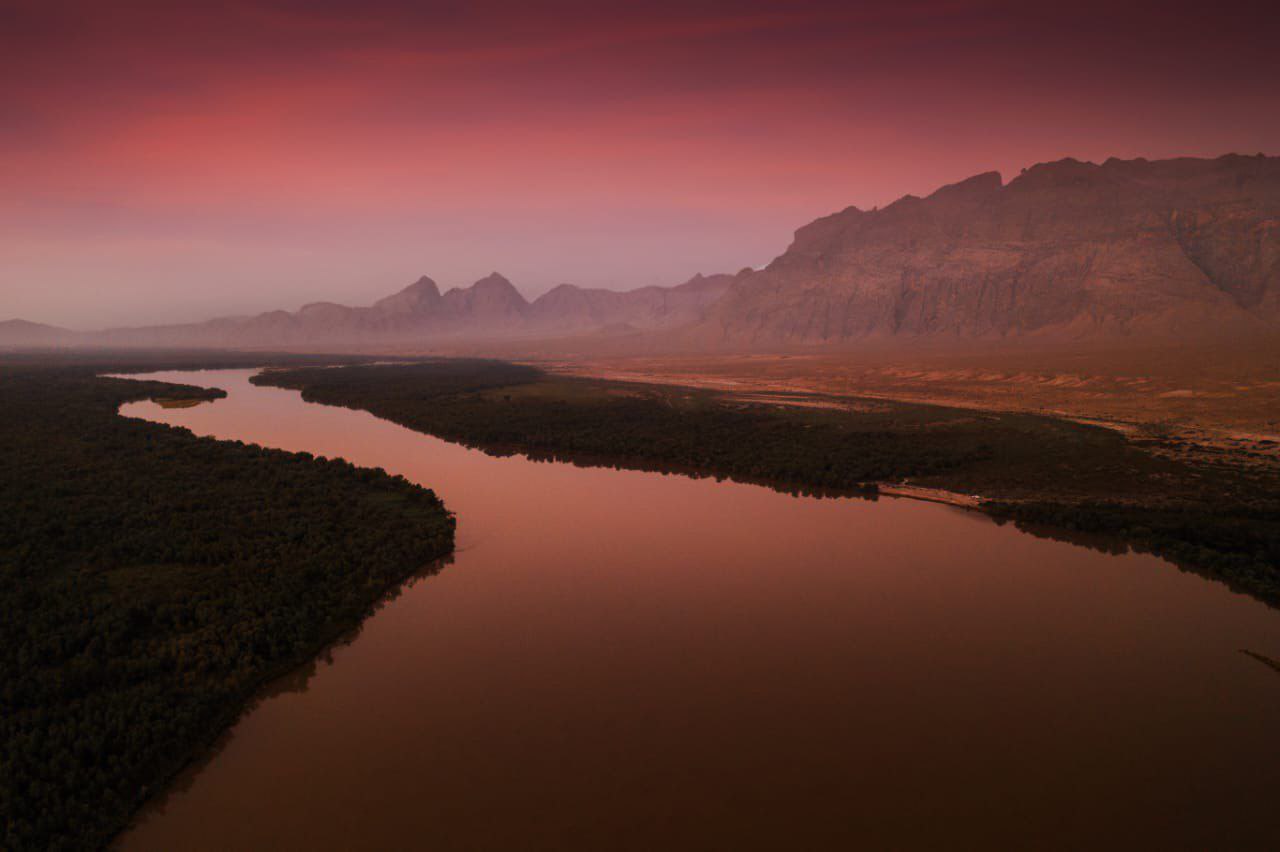
The property is composed of a series of floodplain terraces covered by alluvial soils, comprising Tugay riverine forests with very specific biodiversity in the valley.  The Tugay forests in the reserve represent the largest and most intact Tugay forest of this type in Central Asia, and this is the only place in the world where the Asiatic poplar Tugay ecosystem has been preserved in its original state over an area of this size.
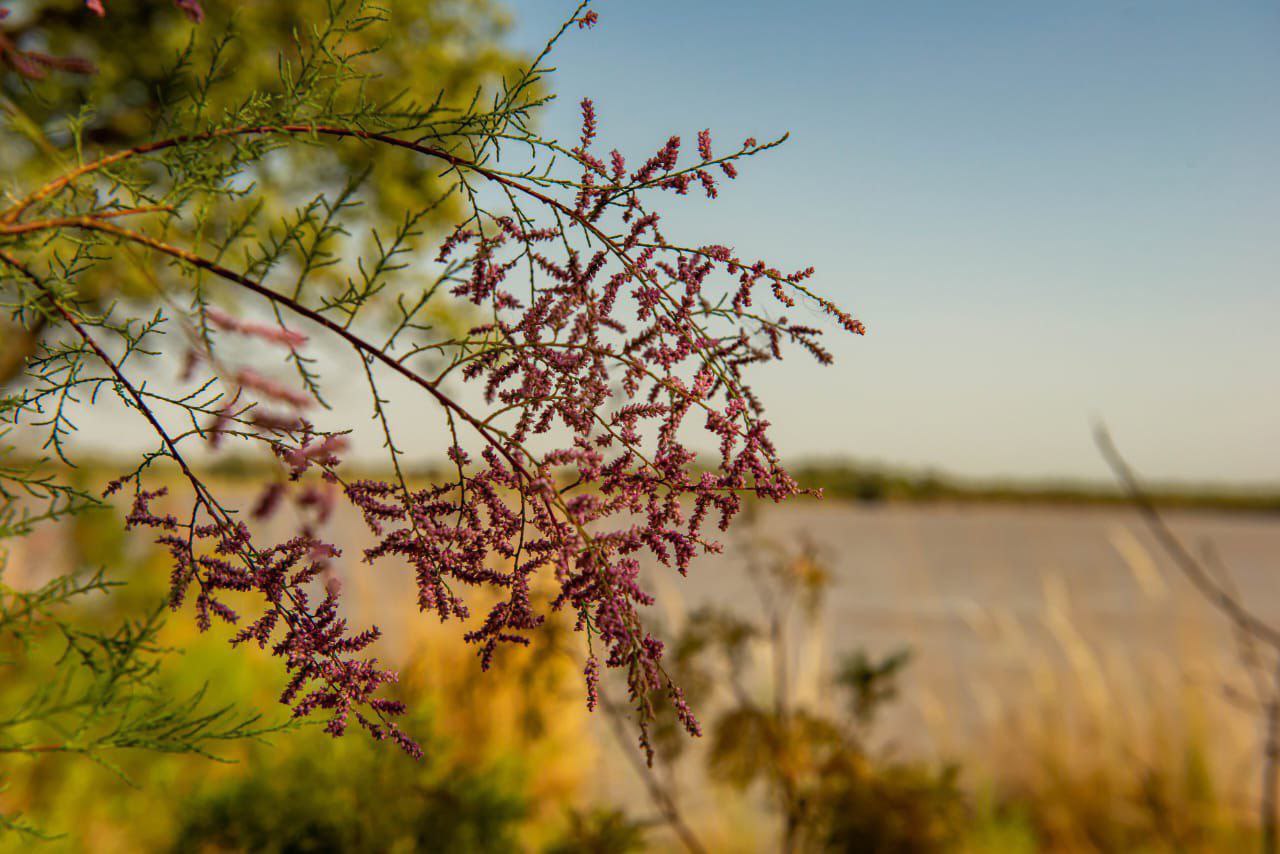
Tugay is a form of riparian forest or woodland associated with fluvial and floodplain areas in arid climates. These wetlands are subject to periodic inundation, and largely dependent on floods and groundwater rather than directly from rainfall.  Tugay habitats occur in semi-arid and desert climates in Central Asia.
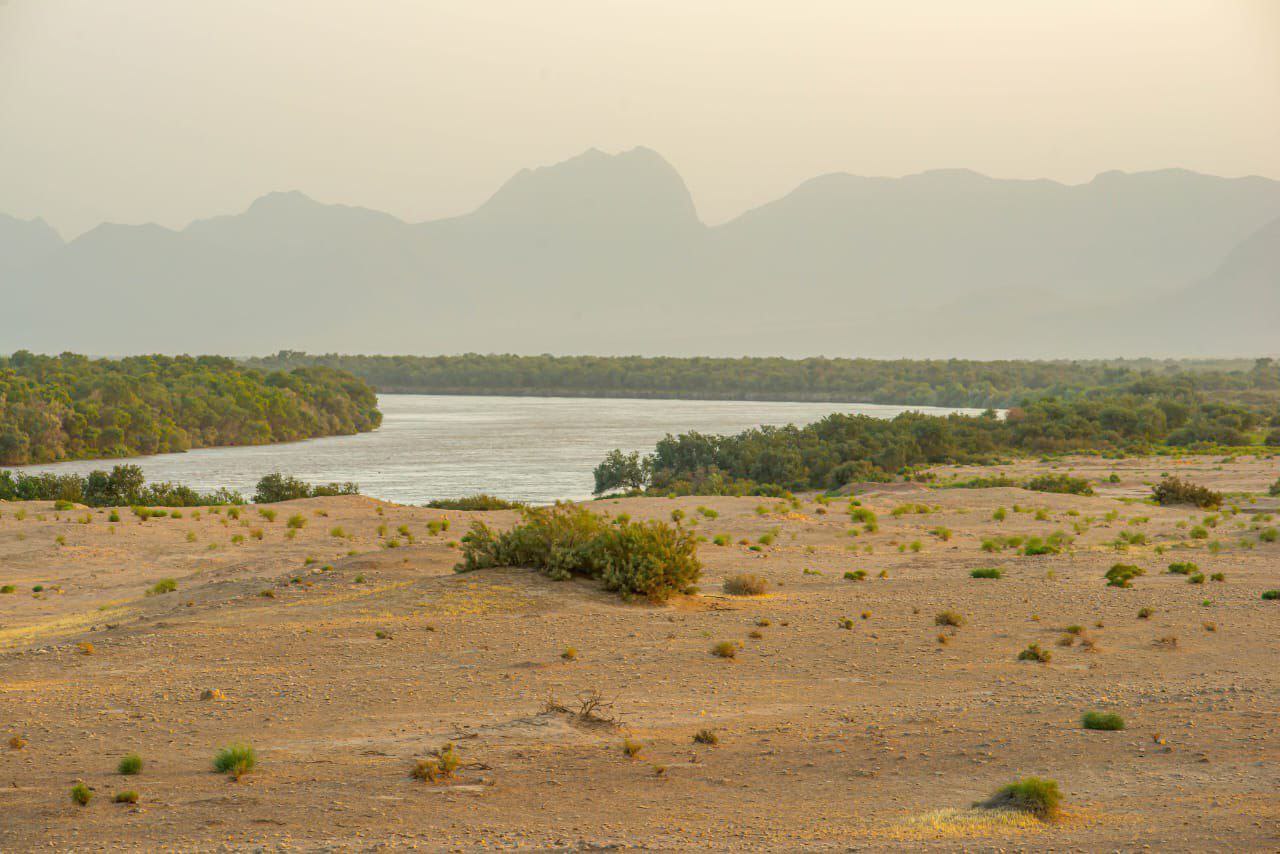
Because Tugay habitat is usually linear, following the courses of rivers in arid landscapes, Tugay communities often function as wildlife corridors. They have disappeared or become fragmented over much of their former range.


Join us on social media!

Article translations:

Related Article

Tenisi
Оби зулол
Оби зулол

Most Read

Коммерсбонк Точикистон

Recent Articles

RZD announces the restoration of passenger services between Moscow and Dushanbe

Direct rail services between the capitals of Russia and Tajikistan were suspended in March 2020 due to the COVID-19 pandemic.

#AP30/Stories. “Selam! Heller nichek?” How Tatars live today in Sughd province

On the 30th anniversary of "Asia-Plus," we continue to publish reports that remain relevant even after years. This story was told in 2021, and since then, little has changed in the life of the Tatar community in Tajikistan.

15,000 cameras, drones, and robots: how technology monitors pilgrims in Mecca and Medina

During Hajj 2026, Mecca and Medina were under unprecedented digital control.

Another child in Dushanbe removed from family and sent to boarding school

The Ministry of Internal Affairs reports that the parents did not pay adequate attention to the child.

Emomali Rahmon instructs to address issues in seed production following criticism of the industry

Issues have been noted with certification, seed quality, and the material and technical base of the industry.

Water, climate, and a $130 billion deficit: seven key outcomes of the Water Conference in Dushanbe

At the forum, countries and international organizations discussed new mechanisms for cooperation, investments, and technologies that are essential for addressing the global water crisis.

Eskhata Bank introduces a new generation children’s wallet

"Eshkata Bank" has created a full-fledged digital platform that helps children aged 7 to 16 learn how to manage money.