Despite the steady economic growth observed in Tajikistan over the past ten years, the employment rate remains low, says the medium-term program for the development of productive employment designed for 2023-2027, which adopted by the country’s government on August 31, 2023.
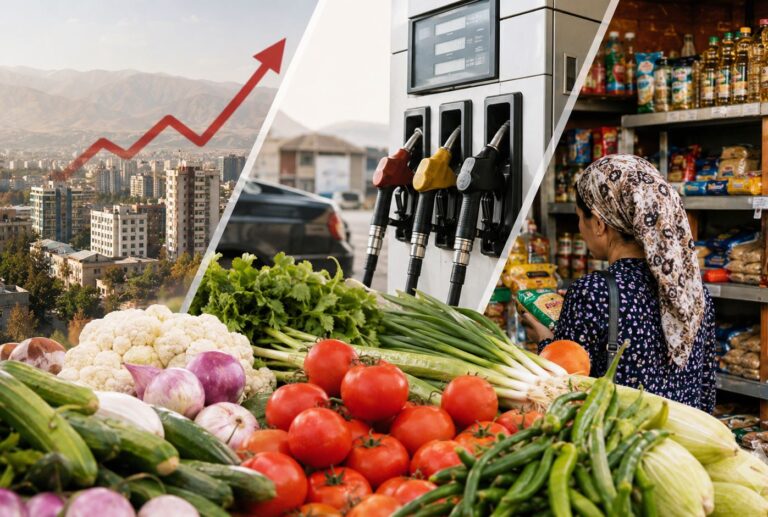
The program, in particular, notes that the average annual growth rate of the economy over the reporting period has stood at 7.6 percent, while employment has increased by only 1.2 percent over this period (approximately by 25,000-30,000 people per year).
The program authors emphasize that the country's population also showed a steady growth trend over this period (an average annual population growth was 2.2 percent) that has led to “a fairly high increase in labor resources.”
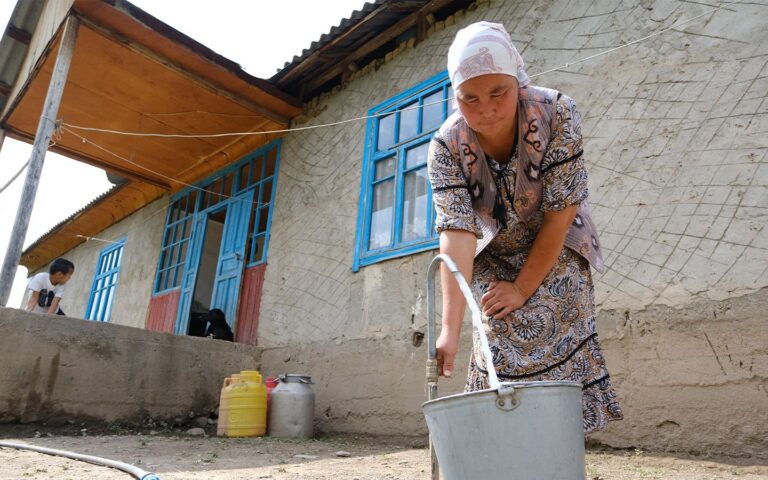
The program notes that the majority of the population lives in rural areas, where productive employment opportunities are extremely limited and heavily dependent on labor migration abroad and migrants’ remittances being a source of high vulnerability.
It is noted that the agrarian sector remains the largest employer in Tajikistan and it accounts for over 60 percent of employment in the country.
“A low employment growth in non-farm sectors has been the main reason for both slow movement of labor from agriculture to other sectors of the economy and slow overall employment growth,” says the program.
Moreover, it emphasizes that most of the slight growth in non-farm employment was in low-quality, often informal employment.
“Indeed, informal employment remains widespread outside the agrarian sector as well,” the program says, noting that the reasons for the large deficit in productive employment are of structural nature.
“Over the past decade, rapid economic growth has begun to transform Tajikistan’s economy. However, structural changes for the transition from agrarian-industrial to industrial-agrarian model have not been at the proper level. Growth in the share of industry in the country’s economy, which is critical to broad and sustainable economic growth, has remained insignificant,” the program developers note.
According to official statistical data, the workforce in Tajikistan has amounted to 2.652 million people as of July 1, 2023; of then, 2,602 people have bene considered to be employed and 50,000 others have had the official status of unemployed.
According to some source, an estimated 1.5 million Tajik seasonal workers travel abroad each year, primarily to Russia, seeking better employment opportunities.
Recall, the national employment support program designed for 2023-2027 provides for creating 221,000 new jobs in Tajikistan this year, which is 7.7 percent more than last year.
In accordance with the forecast of socio-economic indicators of Tajikistan’s regions, more than 1.2 million new jobs are expected to be created in all sectors of the country’s economy during 2023-2027, including 748,000 new jobs (56 percent) being created in real sectors of the economy and more than 506,000 new jobs (40.4 percent) being created in the sector of services.
Out of a total number of being created new jobs, 457,000, or 36.4 percent, are permanent jobs amount and the rest are temporary and seasonal works.
The estimated budget for implementation of the national employment support program for 2023-2027 is about 234 million somonis. Compared to 2022, the country’s labor resources are expected to increase by 10 percent by 2027, reaching 6.4 million. Accordingly, with the growth of labor resources, the labor force will increase by 8.7 percent by 2027, reaching more than 2.8 million.
According to official statistics, there number of Tajikistan’s economically active population in 2022 was about 2.6 million.
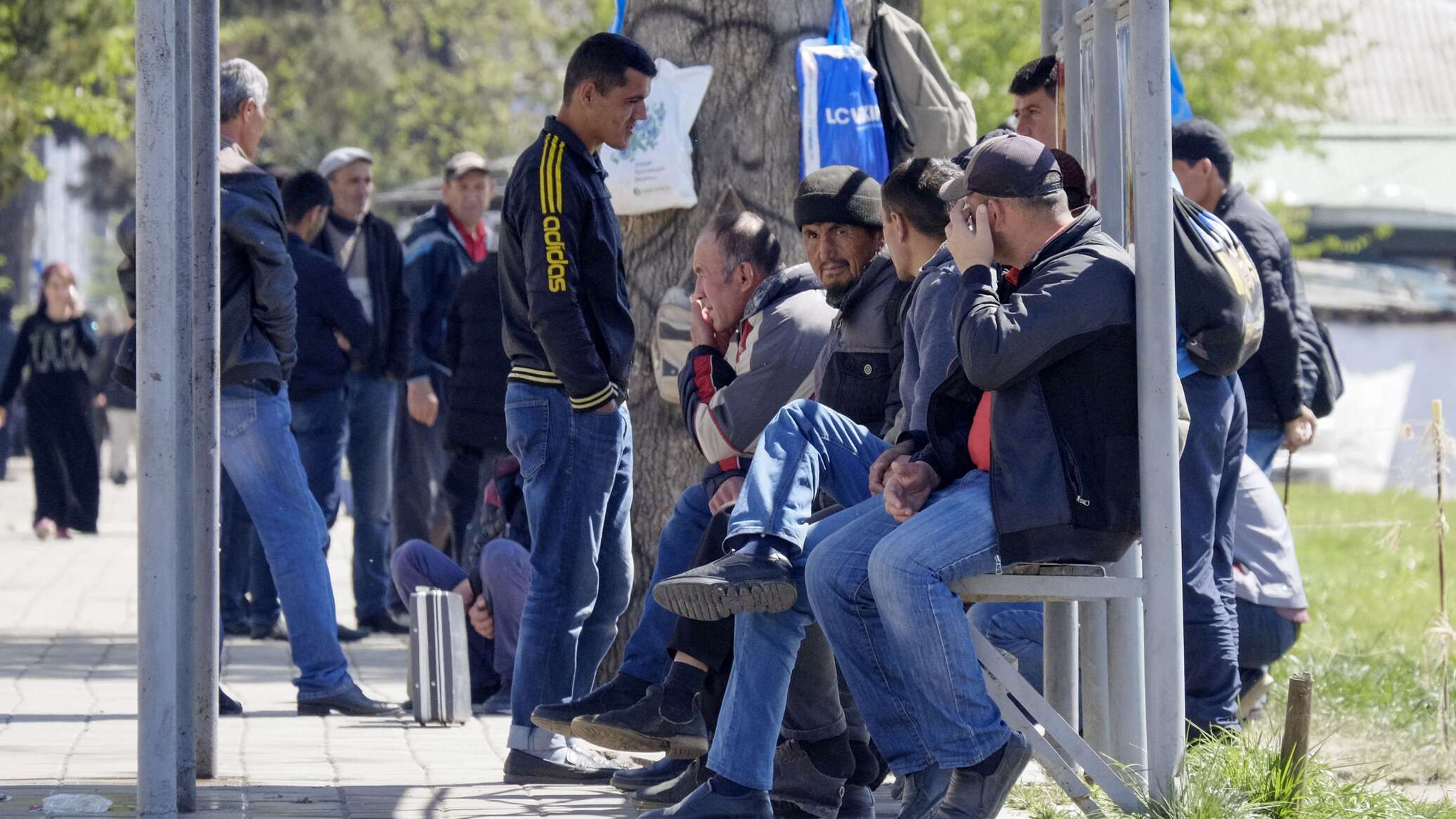
The Tajik authorities have been declaring plans to create new jobs for years, but the situation shows that more and more people cannot find a decent job inside the country and they are traveling to other countries, primarily to Russia, seeking better employment opportunities. Jobs with a salary of up to 2,000 somonis do not meet the needs of families for a long time.
Meanwhile, there is a strange casus in Tajikistan – we actually have jobs, but there are no suitable specialists for these jobs.