The three-day 4th International Transport-Logistics Business Forum, "New Silk Way," commenced in Kazakhstan’s capital, Astana, on October 4. The event is serving as a platform for experts and participants to discuss issues related to integration and cooperation of transport systems, the development of the middle corridor, and the application of new technologies and innovations in multimodal transport to enhance cargo efficiency and delivery.
The forum is a part of Transport Week, where stakeholders from various nations converge to address pressing transportation-related issues.
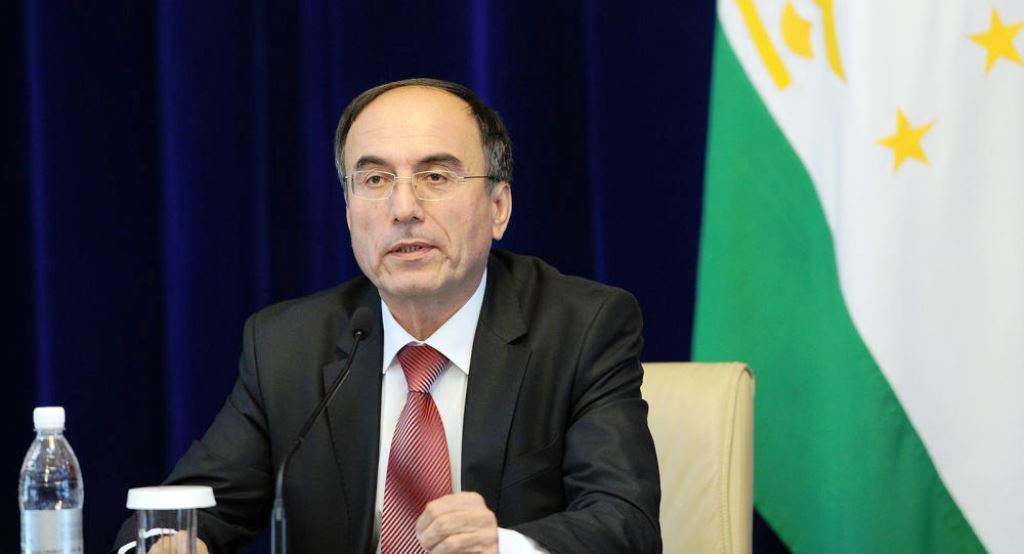
A Tajik delegation led by the Minister of Transport Azim Ibrohim is actively participating in the event.
In a statement delivered at the forum, Mr. Ibrohim, in particular, noted on October 4 that the main reason for the increased interest in multimodal transportation is its ability to circumvent the problems associated with the limitations of one mode of transport.
“For example, if the cargo cannot be delivered directly over long distances using only one type of transport, the multimodal transportation combines several type of transport means to deliver goods to destination,” Azim Ibrohim said, according to the Ministry of Transport (MoT) press center.
Tajik minister reportedly further noted that currently, there is a tendency to form new logistics routes that leads to an increase in demand for multimodal transportation.
Azim Ibrohim drew attention of the forum participants to Tajikistan’s transit opportunities and multimodal corridors.
He reportedly emphasized that one of the main goals of Tajikistan’s transport development program is to strengthen the position of Tajikistan as a transit country between Central Asia, China, Middle East countries and Europe.
He informed the forum participants of the national priority investment transportation development projects, including the construction of the Jaloliddin-Balkhi – Panj railway.
This railway connects Afghanistan, Iran, Turkiye with China and Kyrgyzstan through Tajikistan, providing multimodal freight transportation by two types of transport – roads and railways.
Azim Ibrohim noted that the cities of Dushanbe, Konibodom, Vahdat, Kulob and Tursunzoda and the districts of Shahritous, Panji Poyon and some others will be additional logistics centers meeting the criteria of the international standard.
Multimodal is a transportation term. Multimodal transportation includes public transportation, rail and waterways, bicycle and pedestrian. Multimodal access supports the needs of all users whether they choose to walk, bike, use transit or drive. It means more connections and more choices.