A statement released by Barqi Tojik (Tajikistan’s power utility company) on September 28 notes that 90 percent of electricity in Tajikistan is generated by hydropower plants and generation volume is closely related to river water flow.
“The reservoir powering the Norak hydropower plant is reportedly filled to its end point. However, the volume of water inflow is much less compared to last year and the long-term average,” the statement says.
Therefore, seasonal power shortage is predicted this year as well and the forecast situation reportedly requires regulation of the use of water and energy resources and rational use of electricity by enterprises, organizations and residential customers.
Barqi Tojik also notes that current power interruptions in rural areas are linked to work on overhauling production and transmission infrastructure.
According to it, the repair work is carryout to prepare energy facilities for the autumn-winter period.
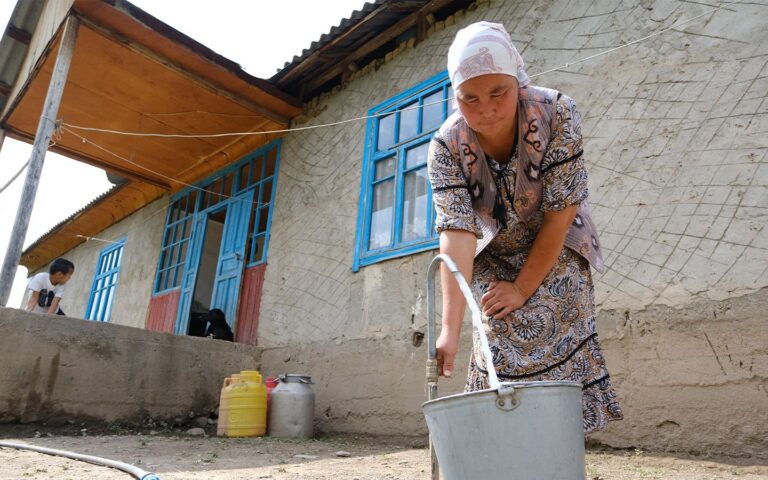
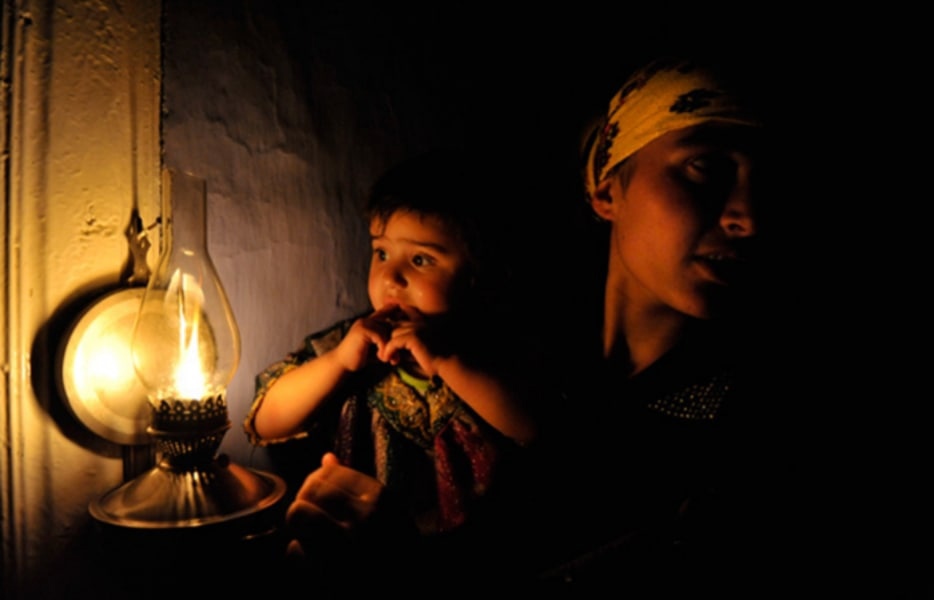
Meanwhile, residential of rural areas complain that they have not had electricity for several hours daily since September 21.
Thus, residents of villages in Hisor Valley (Roudaki, Hisor, Shahrinav and Tursunzoda districts in central Tajikistan) now have electricity on average only eight hours per day: three hours in the morning, from 5am to 8 am, and five hours in the evening, from 5pm to 10 pm.
Local authorities, however, claim that there are no restrictions on electricity consumption in the country.
In response to widespread public complaints, Barqi Tojik usually says that winter preparation works might have caused interruptions in the electricity power transmission in some areas.
Meanwhile, justification for power shortages due to reduced water flow compared to last year and the long-term average looks, to put it mildly, unconvincing.
The fact is that according to hydrometeorological data, the air temperature in the country in September this year was higher than in the same month in previous years.
Independent experts told Asia-Plus on the basis of anonymity that there are three reasons for Barqi Tojik’s warning.
Tajikistan last year failed to make enough supply of water because it shared irrigation water with downstream countries.
Besides, the hot summer of 2023 led to an unprecedented phenomenon for Tajikistan — lack of electricity in the warm season.
Under such conditions, Tajik electricity was delivered not only to the country with which Tajikistan had concluded relevant agreements (Afghanistan and Uzbekistan), but also to Kazakhstan.
Moreover, some specialists close to the country’s energy sector says the Tajik authorities have decided to continue delivering electricity to neighboring countries in autumn-winter period as well. This is connected not so much with good will, but with a banal craving for hard currency.
Tajikistan has experienced many years of energy shortages.
Power rationing affects rural areas of the country and it does affect Dushanbe, regional administrative centers and large cities. Residential customers in the Gorno Badakhshan Autonomous Region (GBAO), where Pamir Energy Company supplies electricity to consumers, also have an uninterrupted supply of electricity during the autumn-winter period.
Measures rationing electricity supplies are usually introduced in all regions except Dushanbe and regional administrative centers and they seek to curb the country's rising electricity consumption. The rationing results in the supply of daily electrical power being reduced to 12 or 10 hours. In addition to curbing rising consumption, the move also stems from a decline in the water level in the country's reservoirs powering the main hydroelectric power plants.