Central Asian analysts have raised fears that the war between Israel and Hamas might have a ripple effect across the region, fueling a new wave of radicalization exacerbated by the effect of strident Russian propaganda.
Regional authorities issued a series of calls to stop the violence and resolve the crisis through political and diplomatic means.
While public perception reflects these positions, the tone of discussion is not as composed. Social media is filled with heated debate that risks incite ethnic and religious discord.
An article posted on CABAR.asia’s website notes that experts note that Hamas is considered a movement that fights for Palestinian independence and self-determination and wages a war against the aggressor.
Muslim identity plays a key role in people’s views of the situation, experts note.
Radical Islam emerged in Central Asia after the fall of the Soviet Union. Many Central Asian populations began reclaiming more traditional forms of Islam, partly in reaction to the imposed atheism of the USSR.
Authoritarian regimes, corruption and the repression of any form of dissent resulted in more people turning to radical expressions of the religion, particularly in Tajikistan and Uzbekistan.
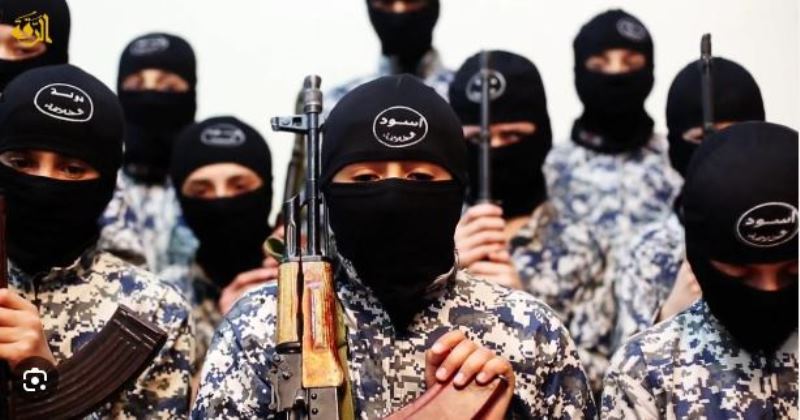
Experts fear that a war in the Middle East could provide extremists with new opportunities to find recruits in Central Asia.
Abdumalik Qodirov, a Tajikistan-based political analyst, argued that feelings of religious solidarity did not encourage efforts to understand the root causes of the crisis.
“Today everyone wants be seen as a ‘defender of Muslims’ by posting a heart-breaking picture of a dead child or woman on their social media profiles,” he told IWPR, adding that people needed to think critically. “Otherwise, we will be taking [the situation] through a prism of a religious confrontation and this is really dangerous.”
Public perception is reportedly also influenced by Russian media, which has proved particularly effective in shaping opinion in the wake of the invasion of Ukraine. Russian TV channels dominate the media space across the Central Asian region.
“Most Tajiks absorb these events through Russian television, which does not have a clear state line in condemning or supporting the actions of Israel or Hamas,” Qodirov noted.
However, Russian news programs are nonetheless filled with footage of apartment buildings in the Gaza Strip crumbling under Israeli airstrikes and suffering Palestinian civilians, with little analysis or context.
“All this encourages media-illiterate people to support the war against Israel and eventually also the actions of Hamas, which is considered as a terrorist organization in many countries,” Qodirov concluded.
Uzbek political analyst Farhod Tolipov, who heads the Karavan Zhaniy analytical NGO, also maintained that Russia’s coverage was harmful.
Experts note that potential economic disruptions have also added to concerns around the conflict. The Middle East is a key energy supplier and crucial shipping passageway; in the scenario of a spill-over with soaring oil prices and global recession, price fluctuations would have a dire effect on a Central Asia already struggling with the economic impact of Russia’s invasion of Ukraine.
In addition, some experts fear that wealthy countries and blocs like the EU are bound to redirect resources in response to the humanitarian crisis, leaving Central Asian states struggling to receive the financial support they now may rely on.