New amendments made to Russia’s legislation aimed against dishonest employers, says Tajik official

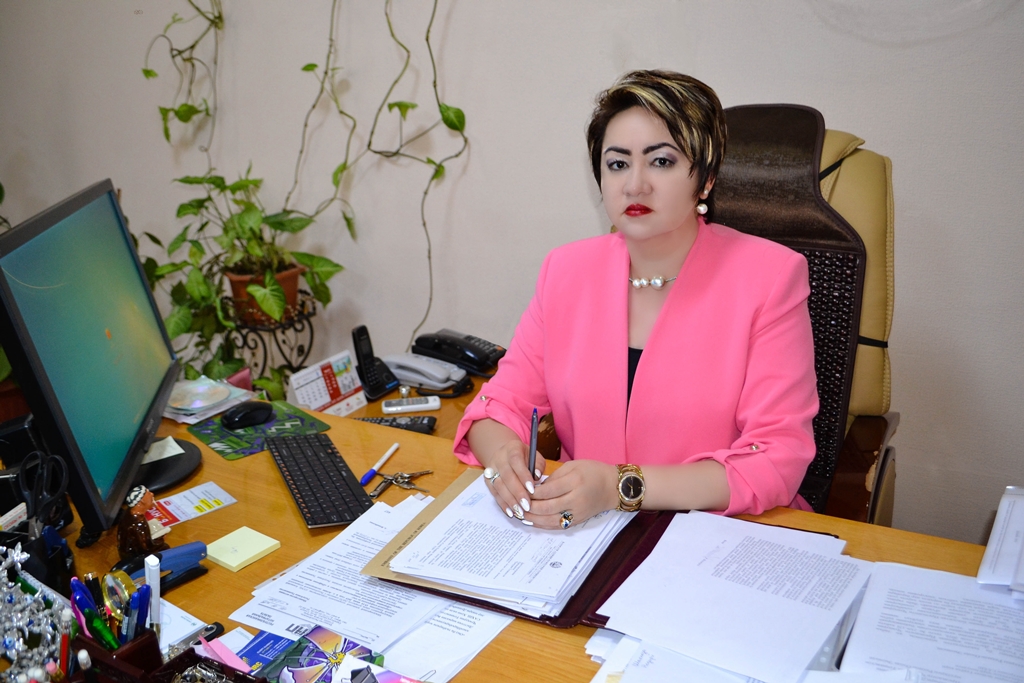
New amendments made to Russia’s legislation are aimed against dishonest employers, Deputy Minister of Labor, Migration and Employment of the Population, Ms. Shahnoza Nodiri told Asia-Plus in an interview, commenting on a new procedure requiring migrants working in Russia to notify the interior ministry of their place of work.   “This procedure has been launched not […]

New amendments made to Russia’s legislation are aimed against dishonest employers, Deputy Minister of Labor, Migration and Employment of the Population, Ms. Shahnoza Nodiri told Asia-Plus in an interview, commenting on a new procedure requiring migrants working in Russia to notify the interior ministry of their place of work.  

“This procedure has been launched not for tougher tracking illegally working migrants but for controlling activities of Russian employers and protecting rights of labor migrants,” Ms. Nodiri said.   

According to her, these amendments have been made to prevent, first of all, illegal activities of dishonest employers.  

“The thing is that not all employers in Russia notify of the start of work of foreigners and not all of them employ labor migrants officially,” the deputy minister said.   

The Russian Interior Ministry’s official website says that in order to fight this and better control places of work of foreigners, foreigners working in Russia on a patent are obligated to send to the interior ministry not only a copy of their contract with an employer within two months from the date of issue of the patent, but also fill out and send a notice of place of work, to which a copy of such a contract, if any, is attached.

Labor migrants are still a critical component in the economy of Tajikistan, keeping many struggling families at home above the poverty line. 

According to data from the Russian Interior Ministry, driven by a lack of economic opportunities in Tajikistan, more than 1 million Tajiks travel to Russia for work each year. 

Meanwhile, some sources note that the worsening state of the Russian economy and sustained abuse from law enforcement there is pushing ever more expatriate laborers from Tajikistan to seek out alternative countries in which to find work.

Join us on social media!

Article translations:

Related Article

Оби зулол
Оби зулол
Tenisi

Most Read

Коммерсбонк Точикистон

Recent Articles

RZD announces the restoration of passenger services between Moscow and Dushanbe

Direct rail services between the capitals of Russia and Tajikistan were suspended in March 2020 due to the COVID-19 pandemic.

#AP30/Stories. “Selam! Heller nichek?” How Tatars live today in Sughd province

On the 30th anniversary of "Asia-Plus," we continue to publish reports that remain relevant even after years. This story was told in 2021, and since then, little has changed in the life of the Tatar community in Tajikistan.

15,000 cameras, drones, and robots: how technology monitors pilgrims in Mecca and Medina

During Hajj 2026, Mecca and Medina were under unprecedented digital control.

Another child in Dushanbe removed from family and sent to boarding school

The Ministry of Internal Affairs reports that the parents did not pay adequate attention to the child.

Emomali Rahmon instructs to address issues in seed production following criticism of the industry

Issues have been noted with certification, seed quality, and the material and technical base of the industry.

Water, climate, and a $130 billion deficit: seven key outcomes of the Water Conference in Dushanbe

At the forum, countries and international organizations discussed new mechanisms for cooperation, investments, and technologies that are essential for addressing the global water crisis.

Eskhata Bank introduces a new generation children’s wallet

"Eshkata Bank" has created a full-fledged digital platform that helps children aged 7 to 16 learn how to manage money.