Radio Liberty’s Tajik Service reported yesterday that some Tajik migrant workers in Russia say they were beaten by police and deported on fabricated criminal charges for refusing to fight in Ukraine.
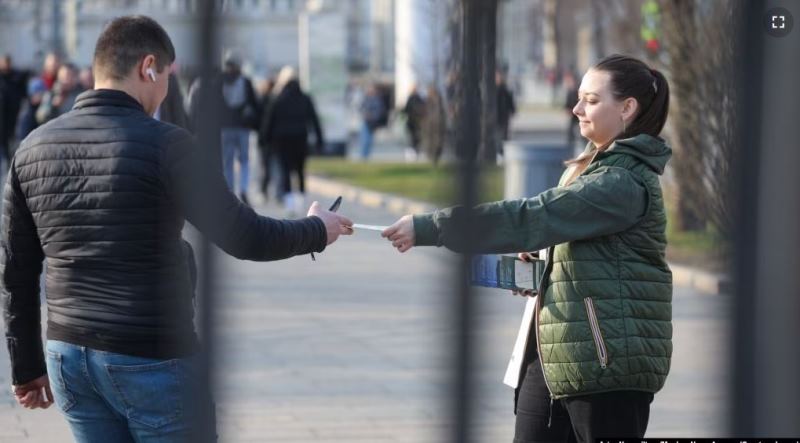
The allegations come as Russian officials continue to target migrant workers from Central Asia in an effort to shore up Moscow's depleted troops in Ukraine, according to migrants and rights activists.
Mansur Hojiev, a 30-year-old Dushanbe resident, was deported from Russia in October just weeks after declining to sign a contract to join the Russian Army, the former migrant worker says.
Hojiev told RFE/RL his problems began when he approached migration officials in September to complete paperwork to obtain Russian citizenship.
"During my appointment at the migration office in the Sverdlovsk district in Perm Province on September 12, officials told me that I need to sign a contract to go to war [in Ukraine] or my citizenship application would be rejected," Hojiev said.
The holder of a valid residency permit, Hojiev said he didn't sign the contract and decided to continue living and working in Russia without trying to get citizenship.
But two weeks later Hojiev was summoned to the migration office where officials allegedly demanded that he sign a statement admitting to taking illegal drugs.
"Four masked men handcuffed me there, put a plastic bag over my head, and pushed me into a van like a cow," he claimed. "They drove me to some forest, [attaching wires] to my arms and legs and giving me electric shocks."
Hojiev told RFE/RL that under duress he signed a fabricated confession that he was caught by police while taking narcotics.
The next day, the Sverdlovsk district court convicted the Tajik migrant of illegal drug use based on a police report and his "confession." Hojiev was ordered to pay a fine before he was deported to Tajikistan.
RFE/RL repeatedly tried to contact police and court officials in Perm for comment but was unsuccessful.
Rights defenders and migrants in Russia have reported dozens of similar cases of Central Asian workers being pressured into signing contracts with the Russian Defense Ministry amid Moscow's efforts to bolster its troops in Ukraine.