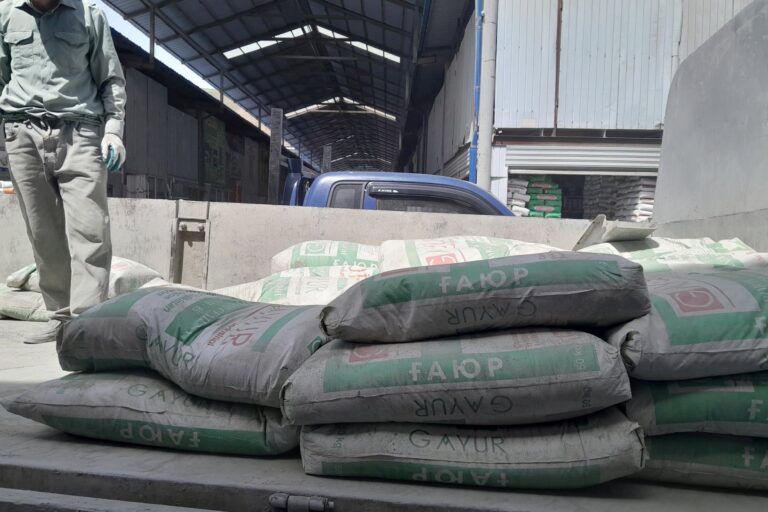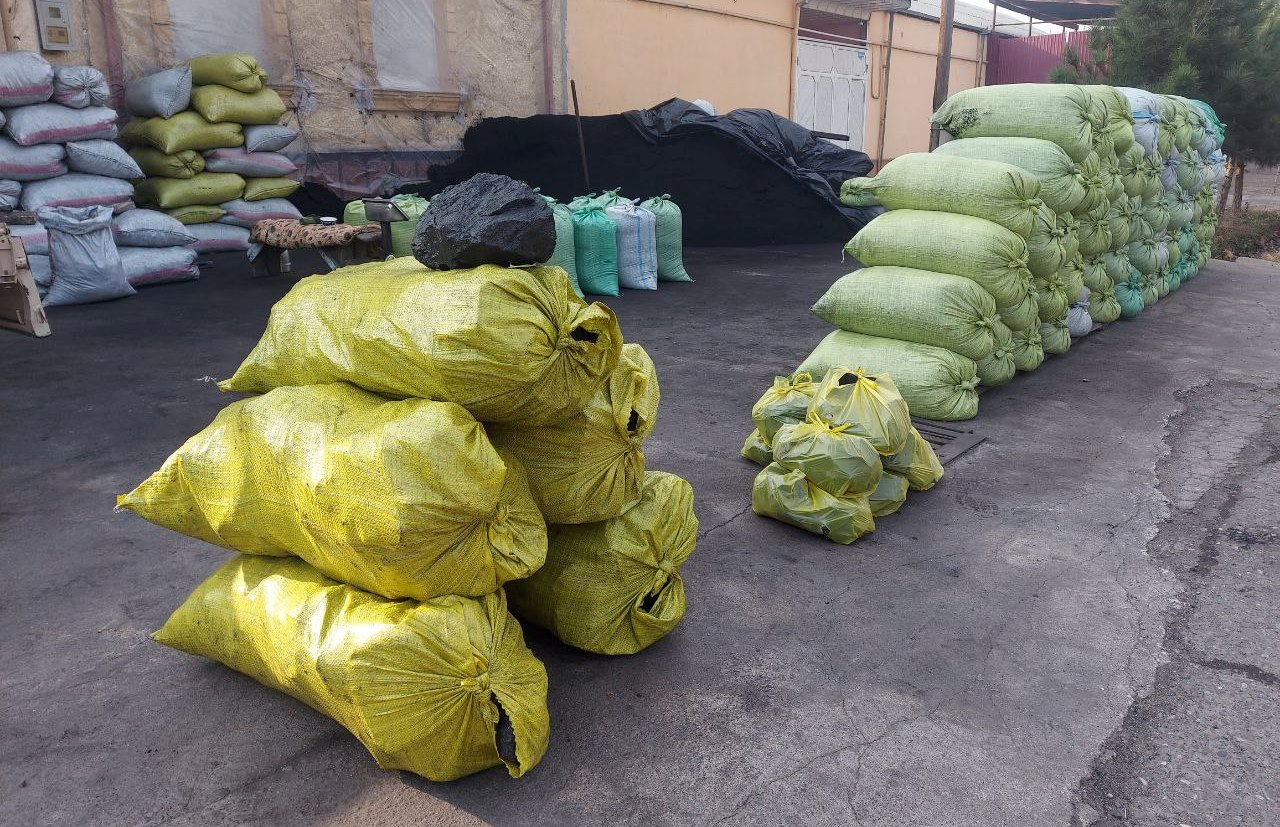
The unilateral closure by the Kyrgyz authorities of the Kyrgyz-Tajik border has led increase in coal prices in the Tajik northern province of Sughd. Currently, Kyrgyz coal is being imported into Sughd province via Uzbekistan’s territory, and these are additional costs and, accordingly, price increases.
Residents of northern Tajikistan are counting pennies and hoping for the border to open soon.
Current price for one kilogram of Kyrgyz coal in Sughd is 3.50 somonis – 3.60 somonis (Last year, Kyrgyz coal was sold in Sughd at the rate of 2.80 somonis per kilogram).
Current price for one kilogram of Kyrgyz coal dust (a fine-powdered form of coal) in northern Tajikistan is 1.40 somonis – 1.60 somonis.
Before the closure of the border the price for one kilogram of Kyrgyz coal in Sughd was 1.50 somonis, and the price for one kilogram of Kyrgyz coal dust was 0.70-0.80 somoni.
‘Coal has risen in price, but we are forced to buy, we have no other choice’
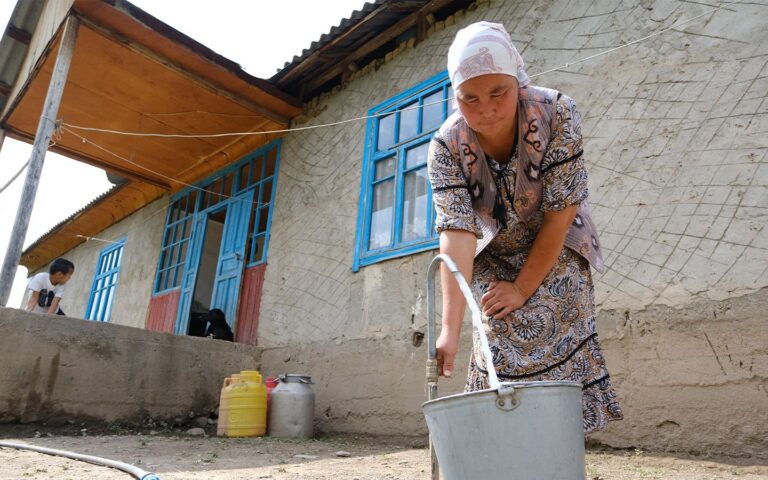
Residents of Bobojon-Ghafourov district, Mr. Abduhamid Safarov, who came to buy coal, told Asia-Plus that the price of coal is too high “and not everyone can afford to buy it in sufficient quantities.”
“Everyone's conditions are different, someone can’t buy coal, but in winter they can’t do without it,” he said.
Another resident of Bobojon-Ghafourov district, Ms. Gulchehra Azimova, is also concerned about the high coal cost.
“Several years ago, one kilogram of coal dust cost 0.5 somoni. Then every year it became more expensive. Now it cost 1.40 somonis, but we have to buy, there is no other choice,” she laments.
Coal sellers say the price hike has resulted from the closure of the Tajikistan-Kyrgyzstan border.
Recall, Kyrgyzstan closed the border in spring 2021 after an armed conflict along a disputed segment of the border left 36 Kyrgyz nationals, including two children, dead and 154 injured on the Kyrgyz side of the border.
Tajik authorities officially said at the time that 19 Tajik citizens were killed and 87 injured at the time.
According to data from the Agency for Statistics’ office in Sughd province, 1,256,060 tons of coal have been extracted in the northern Tajikistan over the first ten months of this year, which is 325 tons fewer than in the same period last year.
Kyrgyz coal is better in quality
Coal sellers in Sughd province say locals prefer to buy Kyrgyz coal because it better in quality
“But the demand for domestically produced coal is small, although it is cheaper,” they say.
“Kyrgyz coal is good for bakeries and restaurants. They buy mostly Kyrgyz coal, but today not all people have the opportunity to buy it for home,” says Dadoboy Yusupov, one of coal sellers.
Due to electricity rationing introduced in the area during autumn-winter period, coal is almost the only means for rural residents to heat the house and cook in winter.
In the territory of Tajikistan there are four regions of development of carbonaceous deposits; each one has a number of characteristic features according to geological zoning: 1) Zarafshan-Gissar; 2) South-Gissar; 3) the Pamir Darvaz; and 4) south-Fergana
The biggest region, largest in acreage coal-bearing area that has the maximum number of coal veins, is Zarafshan-Gissar. The coal-bearing strata extend in almost uninterrupted strip from Panjakent to the river head of the Zarafshan River.
As far as Kyrgyzstan is concerned, it holds 1,070 million tons (MMst) of proven coal reserves as of 2016, ranking 33rd in the world.