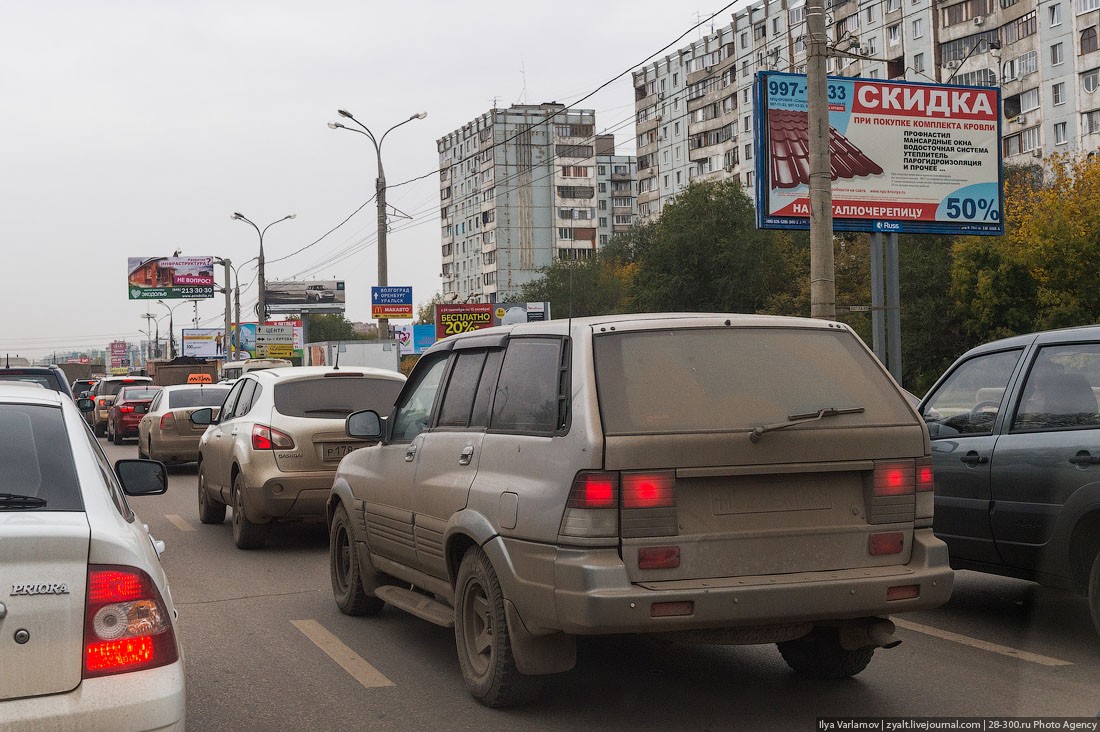
Fines for a dirty car now vary in Dushanbe from 36.00 somonis to 72.00 somonis, depending to degree of dirtiness, an official source within the Dushanbe traffic police department told Asia-Plus in an interview.
“Starting from January 1 this year, fines for a dirty car vary in amounts equal to half of one calculating indicator (estimate) to one calculating indicator, which now is 72.00 somonis,” the source added.
It is to be noted that that this issue became relevant after the president’s statement at a government meeting, in which he proposed to limit the entry of dirty cars into the city and prohibit the movement of vehicles with cargo not covered with a special cover throughout the capital.
The president also emphasized the need for improvement and greening of the capital and improvement of the level of services.
“This is important in light of upcoming visits by heads of foreign countries and the planned international events,” the president said.
Speaking at the government meeting, the president also noted that the budget last year received 170 million somonis less than it was originally planned because of the delinquent conduct of major tax debtors.
He identified Tajik Aluminum Company (TALCO), Talco Gold, Sangtuda-1 hydroelectric power plant, and Tojiktelecom (Tajikistan's fixed-line and mobile telecommunications network) as the leading culprits.
Recall, the Tajik authorities have begun charging motorists a vehicle-scrapping tax in a bid to generate fresh revenue.
Under a new law approved last month but only made public last week, the one-off tax, which is being dubbed a recycling fee, will be collected upon registration of a new vehicle or, for those vehicles already in circulation, during scheduled mandatory technical inspections.
The money will ostensibly be used to cover the cost of scrapping vehicles in an environmentally friendly manner once they are taken off the road.
The amount to be paid by motorists varies in accordance with the type of vehicle and will range from US$32.00 to US$261.00.
Eurasianet reports that there were 600,000 registered vehicles circulating in Tajikistan as of early 2023.
The experience of Uzbekistan, Kyrgyzstan, Kazakhstan, Belarus, and Russia had reportedly been studied in drawing up this tariff.
It is not yet known who will be charged with handling the vehicle recycling initiative in Tajikistan.