Starting from January 1 , the irrigation water rate has risen 150 percent – from 0.002 somoni per 1m3 to 0.005 somoni per 1m3. Experts note that this irrigation water price hike will lead to the increase in cost of agricultural products grown, especially rice and cotton, which are both “thirsty” crops. But on the other hand, if the rates are not raised, the water sector, already eking out a miserable existence, would simply die.
Recall, since the beginning of 2024, Tajikistan has enforced new tariffs for agricultural irrigation water, marking a significant increase of 150%. This development was announced by Zafarbek Davlatzoda, the Director of the Agency for Land Reclamation and Irrigation under the Government of Tajikistan, at a news conference in Dushanbe on February 1.
He further noted that the decision to raise tariffs is driven by the need to balance costs and revenues in the water sector, particularly in light of the increased electricity tariffs in preceding periods.
According to data of the Agency for Land Reclamation and Irrigation, the irrigation lands in Tajikistan cover more than 600,000 hectares of land.
Meanwhile, some source note that nearly 70% of arable land in the country is irrigated. The irrigation systems of Tajikistan reportedly cover 737,700 hectares of land, of which 300,000 hectares are zones of machine irrigation.
Some specialists believe that even the current rate of 0.005 somoni per 1m3 is not enough to fully cover all irrigation costs.
According to them, the real cost of irrigation water in the country ranges from 0.1 somoni to 0.25 somoni, depending on regional conditions.
The volume of irrigation water required to irrigate 1 ha of land ranges from 2,000m3 to 12,000m3, depending on the crops.
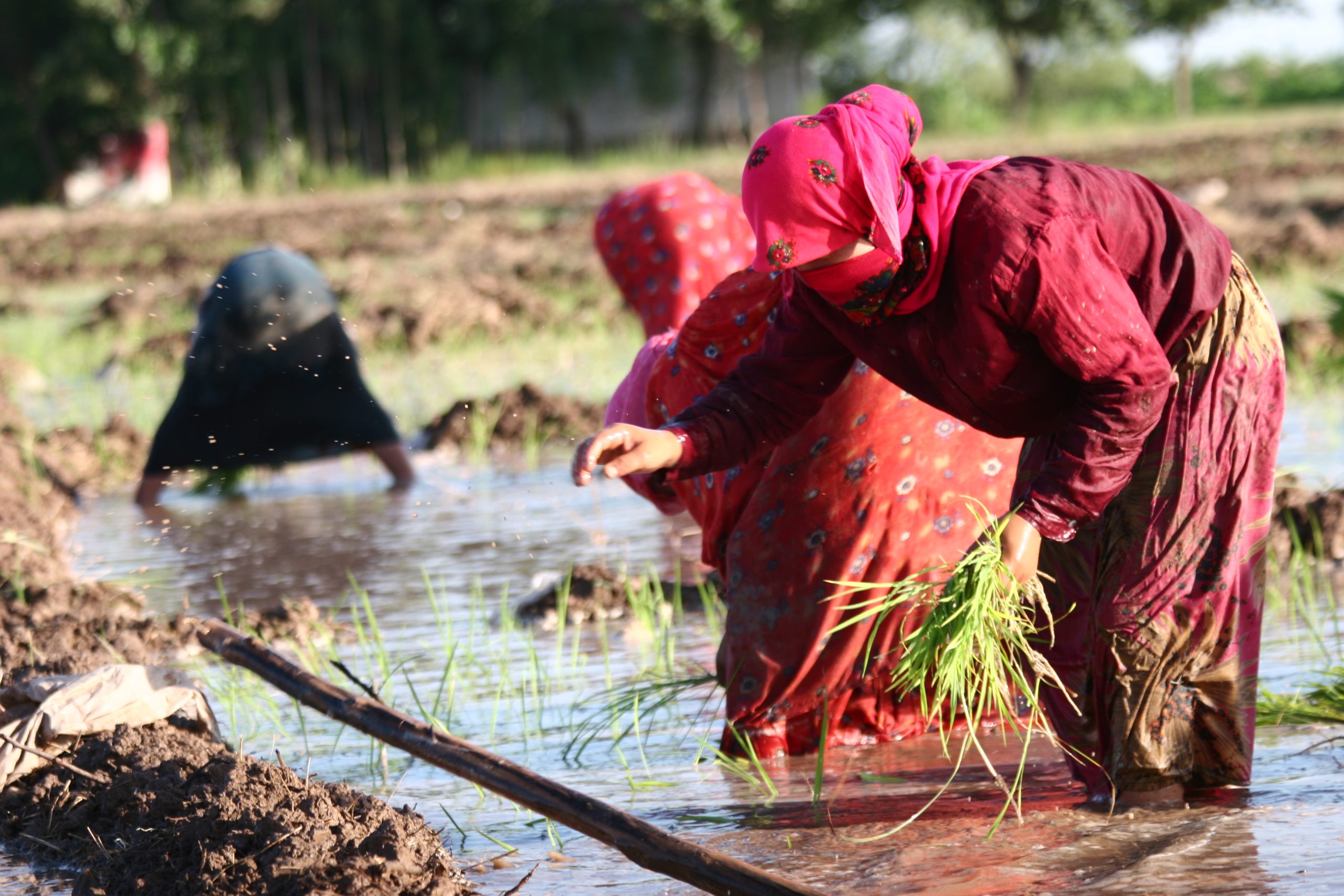
Thus, some crops, such as cereals, reportedly use from 2,000 m3 of water per 1 ha , while rice, which is the thirstiest crop, uses up 20,000m3 of water per 1 ha.
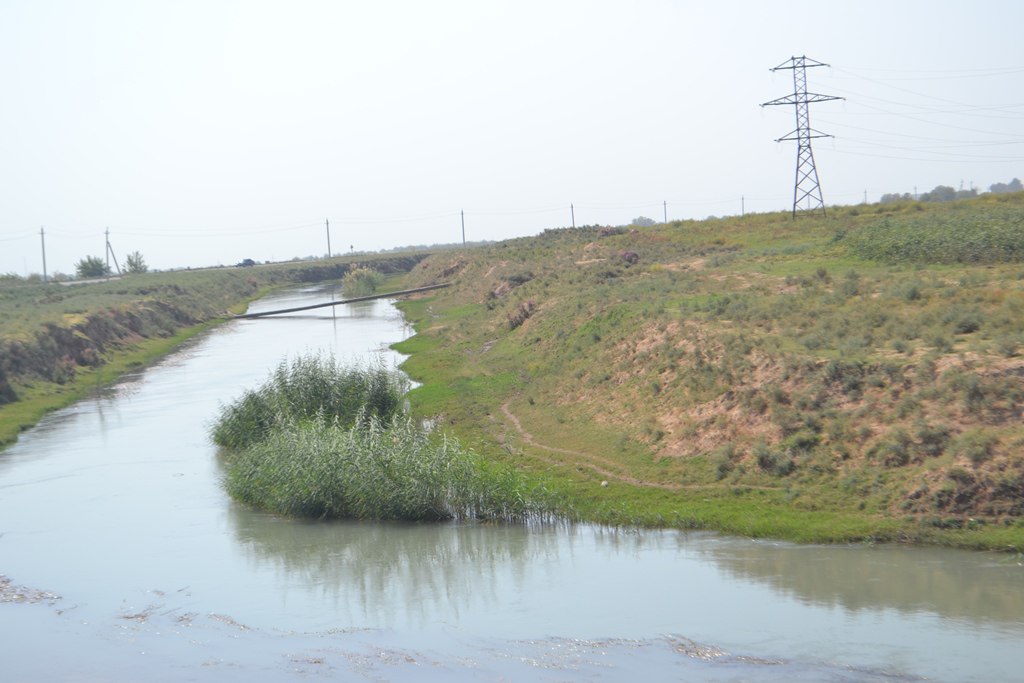
It is to be noted that in recent year, farmers in some regions of Tajikistan have incurred considerable losses as the irrigation canals get damaged due to climate change-induced events like rapid snowmelt and excessive rainfall.
Climate risks have further exacerbated irrigation demand, accelerated land degradation, and increased harvest losses.
Under such conditions, drip Irrigation is an efficient system that delivers water directly to the plants’ root zone, in the right amount, at the right time, so each plant gets exactly what it needs and when it needs it to grow optimally. It enables farmers to produce higher yields while saving on the water as well as fertilizers and fuel.
But specialists from the Agency for Land Reclamation and Irrigation say the cost of the installation of the drip irrigation system for 1 ha ranges from US$20,000 to US$25,000.