The Central Asia-South Asia Electricity Transmission and Trade Project, better known as CASA-1000, has come back to life after the World Bank has signaled that it would resume providing support for this US$1.2 billion project.
The World Bank announced on February 15 that at the request of the three neighboring countries participating in the project (Tajikistan, Kyrgyzstan and Pakistan), the CASA-1000 Project in Afghanistan will be resumed.
According to the World Bank, the project in Afghanistan will resume in a ring-fenced manner to ensure all construction payments and future revenue are managed outside of Afghanistan and do not involve ITA systems.it will provide money to complete Afghan section of the project, but it is keeping close tabs on funds.
Construction in Kyrgyzstan, Pakistan, and Tajikistan is reportedly nearly complete.
Eurasianet says the decision has been greeted with considerable enthusiasm by stakeholders.
Over the weekend, Kyrgyzstan’s Energy Ministry reportedly issued a statement, co-signed by Pakistan and Tajikistan, commending the World Bank for its decision.
The statement further reaffirmed the readiness of the three governments “to provide full support in fulfilling the preconditions agreed with the World Bank Board for the resumption of construction.”
“This is a major step forward in the region's commitment to energy cooperation,” read a statement released on March 2.
Progress on CASA-1000 was paused in August 2021, in the wake of the Taliban returning to power in Afghanistan.
CASA-1000 is a US$1.2 billion regional project to bring clean energy from Tajikistan and Kyrgyzstan to Pakistan via Afghanistan.
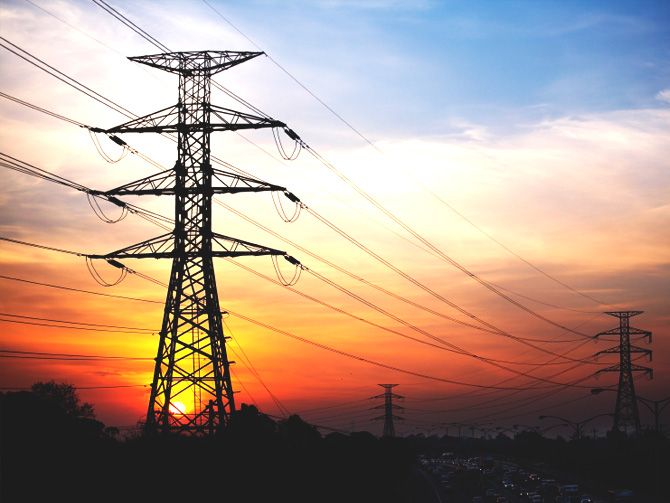
The modern and efficient CASA-1000 electricity transmission system will help transform the region and signify an important step toward realizing the planned Central Asia-South Asia Regional Electricity Market (CASAREM). The CASAREM initiative will help not only these four countries, but also improve the electricity systems and develop inter-regional cooperation between Central Asia and South Asia.
The necessary funds have been allocated by the World Bank, the Islamic Development Bank, the European Investment Bank and the European Bank for Reconstruction and Development.
The Project is expected to develop the necessary physical infrastructure and create the institutional and legal framework to transmit surplus power available from existing generation facilities in Tajikistan and Kyrgyzstan to Afghanistan and Pakistan. The physical infrastructure for CASA 1000 includes: a 500 kV high voltage direct current (HVDC) transmission system between Tajikistan and Pakistan through Afghanistan; an AC transmission link from Kyrgyzstan and Tajikistan to connect to the HVDC line from Tajikistan to South Asia; and the necessary electricity sub-stations in Kabul (Afghanistan), Peshawar (Pakistan) and Sangtuda (Tajikistan).
According to the unit for implementation of the project in Tajikistan, a total length of the power transmission lines is 289 kilometers in the territory of Tajikistan, 570 kilometers in the territory of Afghanistan, 450 kilometers in the territory of Kyrgyzstan and a small part falls on the territory of Pakistan