Millions of residents of rural areas in Tajikistan continue to live without power or have it for just a few hours per day, especially in the colder months.
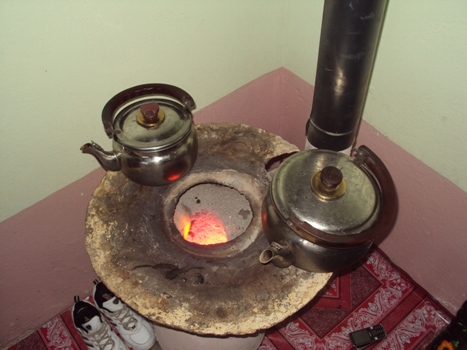
With colder-than-usual temperatures hitting this winter, annual but now worsening power shortages have had some tragic consequences. The use of stoves fueled by coal or other flammable has led to these tragic consequences.
On the night of December 7-8, 2023, three members of one family died from carbon monoxide in Khujambiyoi Poyon mahalla of Dushanbe’s Ismoili Somoni district. The fatalities reportedly comprised the 42-year-old woman and her two daughters.
Multiple carbon-monoxide deaths, including of children, have also been reported in the country in recent weeks, as rural families load up their stoves to get through the freezing nights.
Thus, six members of one family died from carbon monoxide poisoning in Dushanbe on the night of February 27-28, while heating their home with wood and coal amid an electricity shortage in Tajikistan.
The Emergencies Committee under the Government of Tajikistan says the tragedy occurred in a private home in Dushanbe’s Firdavsi district (28/1 Gravzavod).
The deceased father of the family was 38 years old, the mother was 37 years old and the children were 11, 9, 8 and 6 years old.
The Emergencies Committee says the family heated their home with a coal-powered stove. The family was found by neighbors who reported to the relevant authorities.
Three children, 4, 3 and 1 years old, were killed in a house fire that broke out in Dushanbe’s Shohmansour district in the afternoon of March 2.
On the night of March 4-5, a family of three died of carbon monoxide poisoning in Turushbogh village, which is subordinate to the city of Hisor, amid electricity shortages. The Interior Ministry’s official website says the preliminary examination of the scene showed that the fire was caused by electric heating device that was left unattended.
Burning coal inside the home for the purposes of heating or cooking produces particulate and gas emissions that may contain a number of harmful chemicals, such as benzene, carbon monoxide, formaldehyde, and polycyclic aromatic hydrocarbons.
Dushanbe residents have recently complained about electricity outages. The outages were reportedly imposed due to a decrease in the water levels of rivers feeding into the Nurek hydropower plant, causing a reduction in energy output.
Meanwhile, rural areas of the country accept lengthy power outages as a routine.
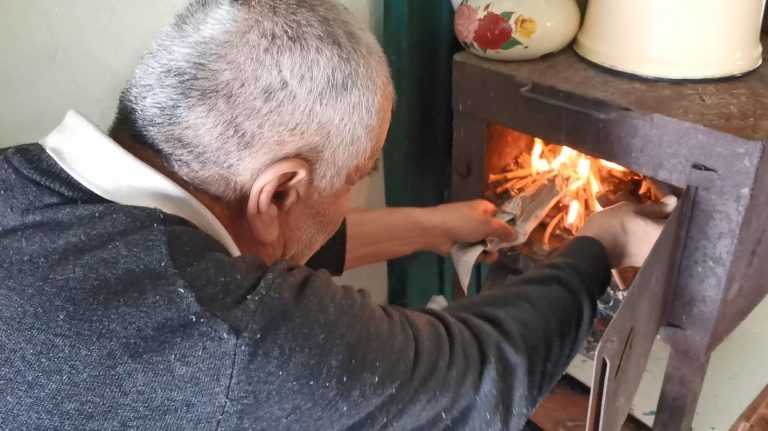
Measures rationing electricity supplies are usually introduced in all regions except Dushanbe, the GBAO and regional administrative centers and they seek to curb the country's rising electricity consumption. The rationing results in the supply of daily electrical power being reduced to 10 or 12 hours. In addition to curbing rising consumption, the move also stems from a decline in the water level in the country's reservoirs powering the main hydroelectric power plants.
This time, residential customers in rural areas of the country have endured blackouts from 8 am to 5 pm and then from 10 pm to 5 am since September 26, 2023.
Tajik authorities have promised to increase electricity supplies to residential customers in the regions, who have experienced power rationing since late September last year, to 8 house per day during the holy month of Ramadan: four hours in the morning and four hours in the evening.
A note sent by the state-run power distribution company via mobile phones earlier this week stated that electricity will be available from 4 a.m. to 8 a.m. and from 5 p.m. to 9 p.m. local time.
However, in some rural areas, electricity is still provided three hours in the morning and three hours in the evening.
In Dushanbe, street lighting is now not turned on at night.