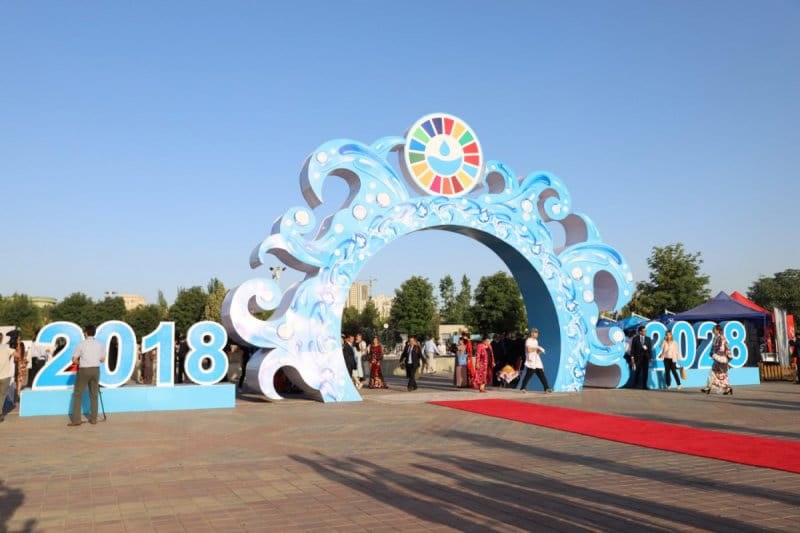
The Regional Forum of Basin Organizations took place in Dushanbe yesterday on the sidelines of the Third High-Level International Conference on the International Decade for Action “Water for Sustainable Development”, 2018-2028, which is being held in the Tajik capital on June 10-13 within the framework of the Dushanbe Water Process.
The Regional Forum of Basin Organizations was aimed at promoting IWRM principles and developing cooperation between different types and scales of basing management organizations. The Forum provided a unique regional platform where basin management structures, councils and government organizations could share experiences and collectively identify steps and directions for strengthening basin management in the region.
In his speech, Jamshed Shoimzoda, the First Deputy Minister of Energy and Water Resources of Tajikistan, emphasized the increasing demand for water in Central Asia.
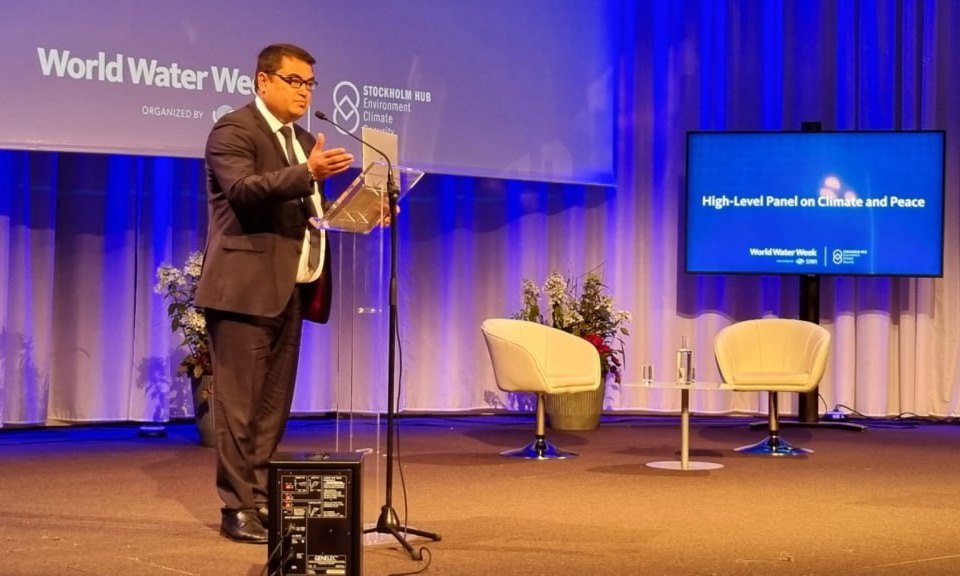
“The region is developing at a rapid pace. For instance, in just 30 years, Tajikistan's population has doubled. We were 5 million, and now we are 10 million. The demand for water is also growing. We can build hydroelectric, wind, and solar power plants, but we cannot create a new river," Tajik official stated.
Shoimzoda underlined the crucial role water plays in development.
“Unfortunately, there are numerous challenges related to water, with climate change being a significant one already impacting the region. According to his statement, research indicates that climate change will negatively affect 84% of water resources in Central Asia and 76% worldwide.”
"All these factors influence the Sustainable Development Goals (SDGs). To achieve these goals, we need to intensify our efforts more than fourfold. Sustainable tools at different levels and urgent decision-making are necessary," he added.
Ms. Caroline Milow, Green Central Asia Program Manager of the German Agency for International Cooperation (GIZ), noted in her speech that “we have 10-15 years left to discuss and take drastic measures to address environmental problems.”
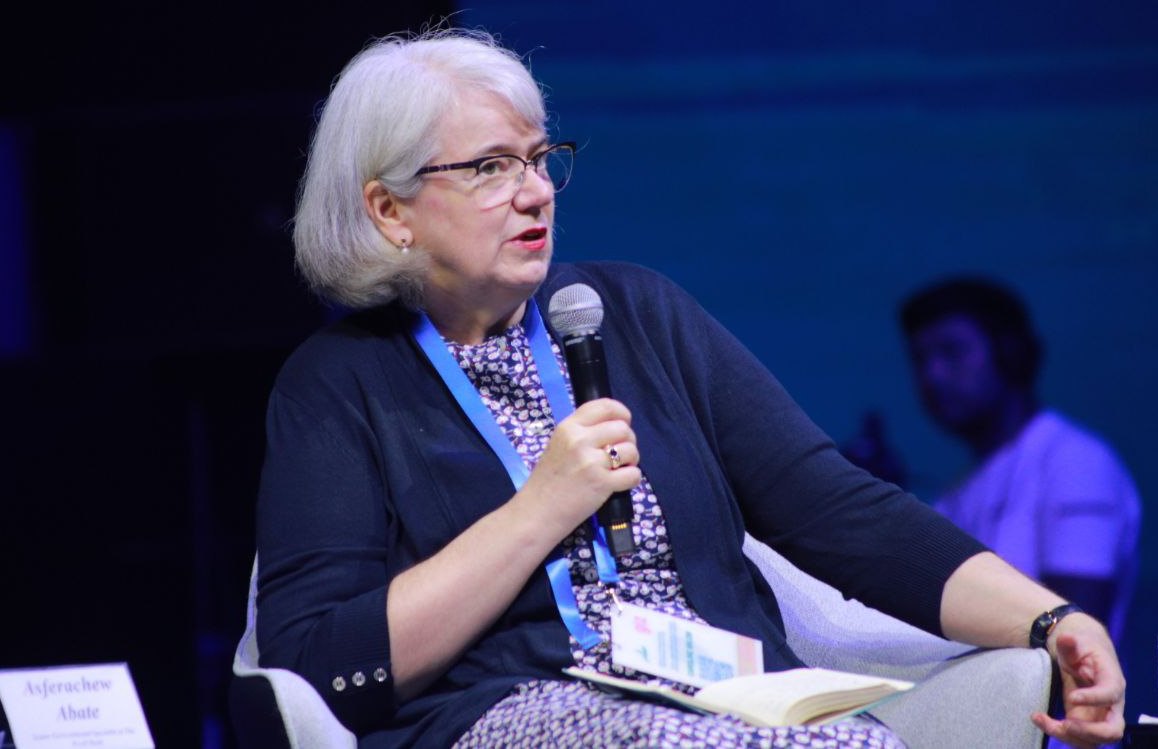
“This joint event will strengthen cooperation. More and more basin organizations' councils are being convened, and the public is participating in solving problems. Step by step, I believe we will achieve significant results," she remarked.
According to Ms. Milow, previous events and measures have led to some changes.
"To achieve the set goals, we are increasing the capacity of water resource management specialists, developing more substantiated and practically oriented solutions, engaging the private sector, and expanding the rights and opportunities of women, youth, and representatives of socially vulnerable groups," she noted.