Trade gap between Tajikistan’s imports and exports widens nearly 3.5 times

Over the first six months of this year, Tajikistan has imported goods and products worth over U$3.4 billion, while its exports amounted to about US$1 billion, according to the Agency for Statistics under the President of Tajikistan. This resulted in a negative trade balance of more than US$2.4 billion. The significant increase in imports was […]

Over the first six months of this year, Tajikistan has imported goods and products worth over U$3.4 billion, while its exports amounted to about US$1 billion, according to the Agency for Statistics under the President of Tajikistan.

This resulted in a negative trade balance of more than US$2.4 billion.

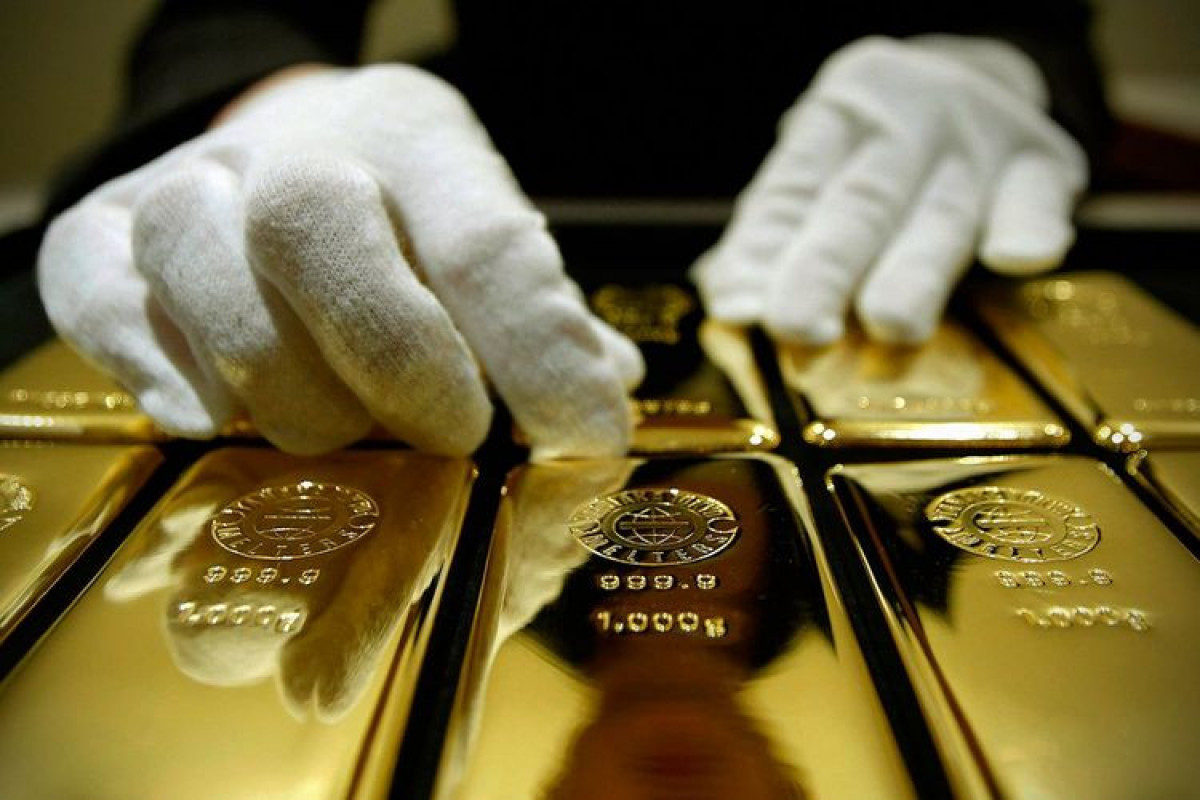
The significant increase in imports was mainly driven by an unprecedented purchase of precious metals amounting to US$343 million.

Approximately 87% of these precious metals were imported in May when global gold prices reached nearly US$2400 per troy ounce.

Notably, in February, when gold prices were just over US$2000 per ounce, Tajikistan exported nearly US$300 million worth of precious metals.

The country’s import structure over the reporting period also included: machinery and equipment ($378 million); vehicles ($327 million); base metals ($316 million)

Over the same six-month period, about 75% of Tajikistan’s exports comprised mineral products (such as electricity, cement, coal, ores, and concentrates) and metals, including precious metals, indicating a reliance on raw materials for export.

The total foreign trade turnover of the country over the first six months of this year has exceeded U$4.4 billion, which is nearly 30% more than in the same period last year.

In January-June this year, Tajikistan had trade relations with 106 countries of the world, including nine CIS nations.  

Over the reporting period the main trading partners of Tajikistan were Russia (US$968 million), China (U$877 million), Kazakhstan (US$669 million), and Switzerland (US$640 million)

Conclusion

The widening trade gap highlights the challenges Tajikistan faces in balancing its trade. The heavy reliance on imports, especially in machinery, equipment, and precious metals, against a backdrop of predominantly raw material exports, underscores the need for strategic economic planning to boost export diversification and value-added production.  Strengthening trade partnerships and improving domestic production capabilities could be vital steps towards achieving a more balanced trade scenario.

Join us on social media!

Article translations:

Related Article

Оби зулол
Оби зулол
Tenisi

Most Read

Коммерсбонк Точикистон

Recent Articles

RZD announces the restoration of passenger services between Moscow and Dushanbe

Direct rail services between the capitals of Russia and Tajikistan were suspended in March 2020 due to the COVID-19 pandemic.

#AP30/Stories. “Selam! Heller nichek?” How Tatars live today in Sughd province

On the 30th anniversary of "Asia-Plus," we continue to publish reports that remain relevant even after years. This story was told in 2021, and since then, little has changed in the life of the Tatar community in Tajikistan.

15,000 cameras, drones, and robots: how technology monitors pilgrims in Mecca and Medina

During Hajj 2026, Mecca and Medina were under unprecedented digital control.

Another child in Dushanbe removed from family and sent to boarding school

The Ministry of Internal Affairs reports that the parents did not pay adequate attention to the child.

Emomali Rahmon instructs to address issues in seed production following criticism of the industry

Issues have been noted with certification, seed quality, and the material and technical base of the industry.

Water, climate, and a $130 billion deficit: seven key outcomes of the Water Conference in Dushanbe

At the forum, countries and international organizations discussed new mechanisms for cooperation, investments, and technologies that are essential for addressing the global water crisis.

Eskhata Bank introduces a new generation children’s wallet

"Eshkata Bank" has created a full-fledged digital platform that helps children aged 7 to 16 learn how to manage money.