In the first half of 2024, Tajikistan increased the volume of industrial production by 11.5%. This figure could have been even higher if some problems had not prevented it.
In general, the volume of production is 22.6 billion somoni, which is 2.3 billion more than in the same period last year.
The volume of exports of industrial products during this period amounted to $969 million – $314 million (48.1%) more than in the first 6 months of 2023.
These indicators could have been higher, however, according to the Ministry of Industry and New Technologies of Tajikistan, this was prevented by problems that had a negative impact on the growth of indicators.
There are 92 non-functioning industrial enterprises in Tajikistan.
This figure was announced by the Minister of Industry and New Technologies Sherali Kabir during a press conference on August 1.
The Minister explained the main reasons for the temporary downtime of enterprises with financial problems and the departure of their owners from the republic during the coronavirus pandemic.
He also said that the reasons for the closure of production facilities are a decrease in the competitiveness of manufactured products compared to imported ones, rising prices for raw materials, lack of demand and sales of manufactured products.
For many years, domestically produced goods increasingly lost out to cheaper, better–marketable and beautifully packaged imported products, gradually becoming uncompetitive, and eventually were completely ousted from the domestic market.
Today, the domestic market of the country is dominated by foreign–made goods. However, in recent years the situation has begun to improve and new products of domestic production appear due to the processing of local raw materials. Priority is given to the development of the light and food industries.
It is impossible to increase capacity at some enterprises due to a shortage of raw materials.
An example is the vegetable oil production enterprises.
"It will take about 833 thousand tons of oilseeds to produce 100,000 tons of oil, and Tajikistan does not have the ability to grow so many raw materials," said Sherali Kabir, head of the Ministry of Industry.
Canning enterprises also lack targeted supplies of large volumes of vegetables and fruits.
Not only the population, but also many enterprises suffer from a lack of electricity in winter. Cotton processing enterprises produced 980 tons less fiber in the first half of this year than in the same period last year. The main reason for the decline was the lack of electricity.
Power outages in the first quarter of 2024 caused a decrease in the rate of production of mineral fertilizers by Azot in Levakand.
In monetary terms, the company produced products for 7.3 million somoni less in six months compared to the same period last year.
Power outages also create problems in the cultivation of raw materials for the manufacturing industry.
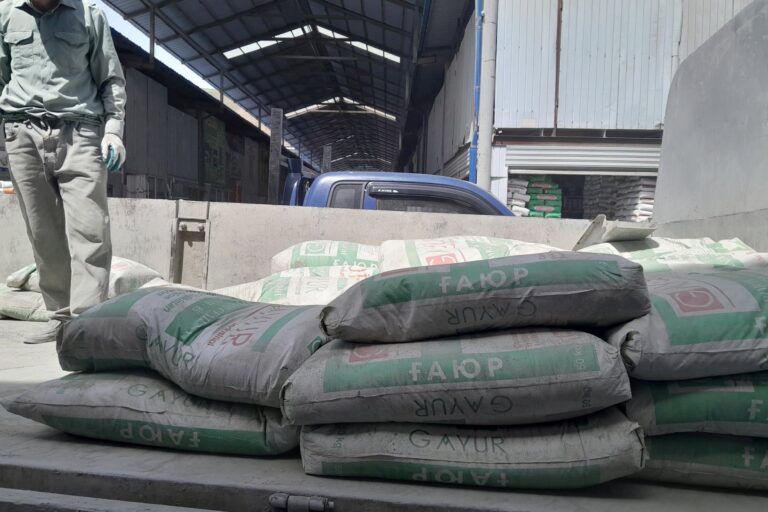
Tajikistan has made progress in cement production and coal mining in recent years. Some of the products were exported and ensured the flow of currency into the country's treasury. However, problems appeared in the first half of 2024. Cement exports fell by 224 thousand tons.
The reason is that the main buyers of Tajik cement – Uzbekistan and Afghanistan – have reduced cement imports. Several cement factories have started operating in Uzbekistan, which not only provided for domestic needs, but also took away part of the Afghan market.
Coal exports to Pakistan and Afghanistan have become unprofitable due to increased transit duties in Afghanistan. This country has raised prices for the transportation of goods across its territory from $7 to $40-50. As a result, coal exports to Afghanistan fell by 15,000 tons and to Pakistan by 65,000 tons compared to the first half of 2024.