During the filming of feature films and documentaries, the directors are responsible for the picture as a whole, but the production operators are responsible for its main part – the image.
Their contribution to the film is above all else, but viewers, as a rule, and often do not even pay attention to it, are not interested in the names of the operators. And completely in vain…
The director owns the idea. The operator owns the brush. The operator sees and thinks on-screen, not speculatively. Through the lens, he sees a big, beautiful and furious world.
The great Dante wrote: "The one who notices hears intelligently", these words contain the main meaning of the operator's profession. And I also remembered the words of the great Akira Kurosawa: "People are deeply mistaken in thinking that movies are shot with cameras, movies are shot with the heart."
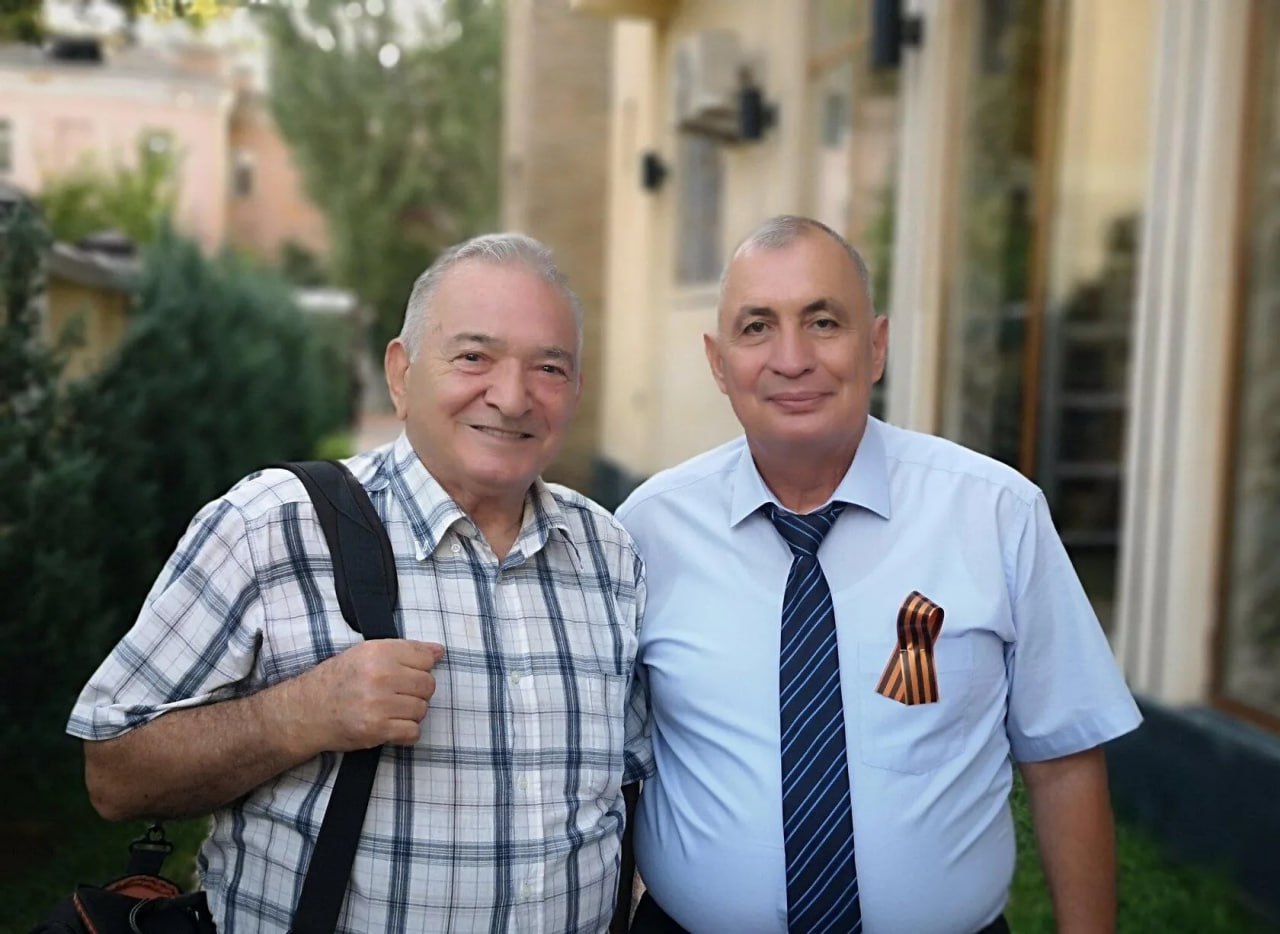
It was such a person with a big and very kind heart who was the great Soviet and Tajik cinematographer Zaur Dahte, one of the luminaries of the camerawork of Tajikistan.
Zaur Dahte's great professional fame was brought by the film "Meeting at the Old Mosque" (1969) – the first Soviet eastern, which became a classic of the genre.
In 1978, Dahte filmed an amazingly beautiful and spectacular television series based on the novel of the same name by Bruno Yasensky "A Man changes his skin".
As a cinematographer of films, Zaur Dahte had an amazing property – to feel the actor, to work for the actor, to capture and capture the most necessary moments.
Zaur Dahte had the opportunity to make three children's films: "A tiger is required", "Brave Chirac", "Once upon a time we were in the first class".
How much ingenuity, endurance, Zaur Rustamovich used on the set of such films. It seemed to be happiness for him to return to the unique world of childhood for a short time.
His documentaries, whether they were a chronicle film, a philosophical film, a lyrical sketch, a social or psychological drama, were very artistic and unique. The theme of love for the Motherland, his native Tajik land, permeates almost all of his paintings.
He shot hundreds of documentaries, but I would like to remember some of them especially: "Abdurakhman Jami" (1964), "Premiere" (1976), "Mirzo Tursun–zadeh–70" (1981), "Nurek without legends" (1982), "Our Malika" (1983), "September Meetings" (1987), "Fellow Countrymen" (1989), "Sofya Tuybaeva" (1991), etc.
Eternal memory to a great man...