This year, the Association of Hunters of Tajikistan (Association) has reportedly allocated 2.1 million somonis (TJS) for the development of remote areas. These funds will support regions such as Murgab, Ishkashim, and Shugnan in the Gorno Badakhshan Autonomous Region, or GBAO, the Association head Alikhon Latifi told Asia-Plus in an interview.
He has mentioned that the funds are directed towards infrastructure improvements, including road enhancements, and other key projects that will benefit local residents.
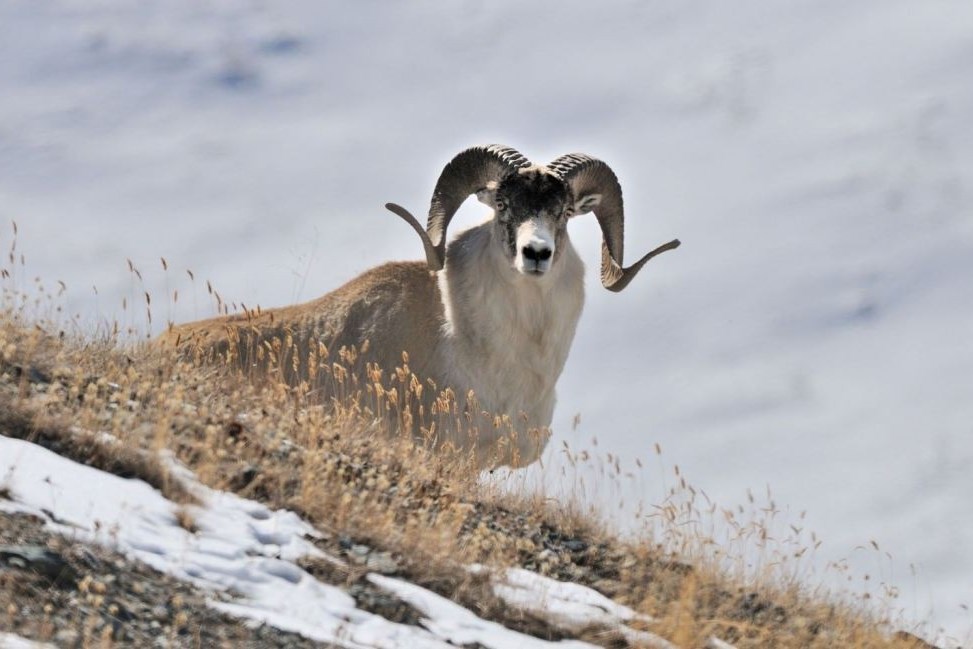
Founded in 2010 at the initiative of tourist hunting companies, the Association of Hunters of Tajikistan reportedly aims to regulate and promote trophy hunting on an international scale. One of its main goals is the protection of rare animal species, such as the Marco Polo sheep and the Siberian ibex.
Latifi highlighted that the Association is actively involved in wildlife conservation, ensuring a safe habitat for rare animals in Tajikistan.
“The companies in the Association monitor food resources and patrol hunting grounds. They regularly assess food availability for different species and organize additional feeding during winter when animals struggle to find food,” the Association head added.
Additionally, the Association reportedly provides training for gamekeepers and guides, improving their skills and knowledge in wildlife protection.
As it had been reported earlier, 157 quotas were allocated for trophy hunting in Tajikistan for the 2024-2025 hunting season, including:
- 115 quotas for Marco Polo sheep;
- 16 quotas for the markhor;
- 16 quotas for the Bukhara mountain sheep (urial).
There are also 10 quotas allocated for hunting brown bear, but these quotas can be used only in extreme cases. Brown bears are listed in the Red Book, and hunting is only allowed if they pose a threat to villages or people.
This year, the trophy hunting licenses are as follows:
- The price of license for hunting a Marco Polo sheep is 55,000 somonis, the same as last year.
- The price of license for hunting the markhor has increased by 14,500 somonis, from 380,000 somonis to 394,485 somonis.
- The license for hunting the Bukhara mountain sheep also went up, now costing 32,873 somonis compared to 31,600 somonis last year.
- A brown bear hunting quota costs about 12,620 somonis.
As of today, the country has the following animal populations: over 30,000 Marco Polo sheep; 6,227 markhors; 3,200 Bukhara mountain sheep; 800-900 brown bears; and 300-350 snow leopards.