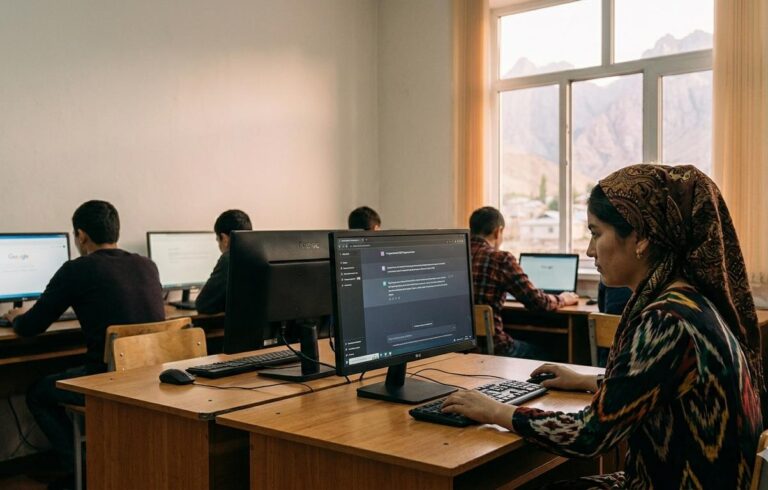
The Council of Ulema (Tajikistan's highest Islamic institution) has decided to hold weekly live broadcasts on its YouTube channel, where religious leaders answer questions from citizens on various religious topics. These live programs also address current issues in Tajikistan and the world, including efforts to counter terrorism and extremism.
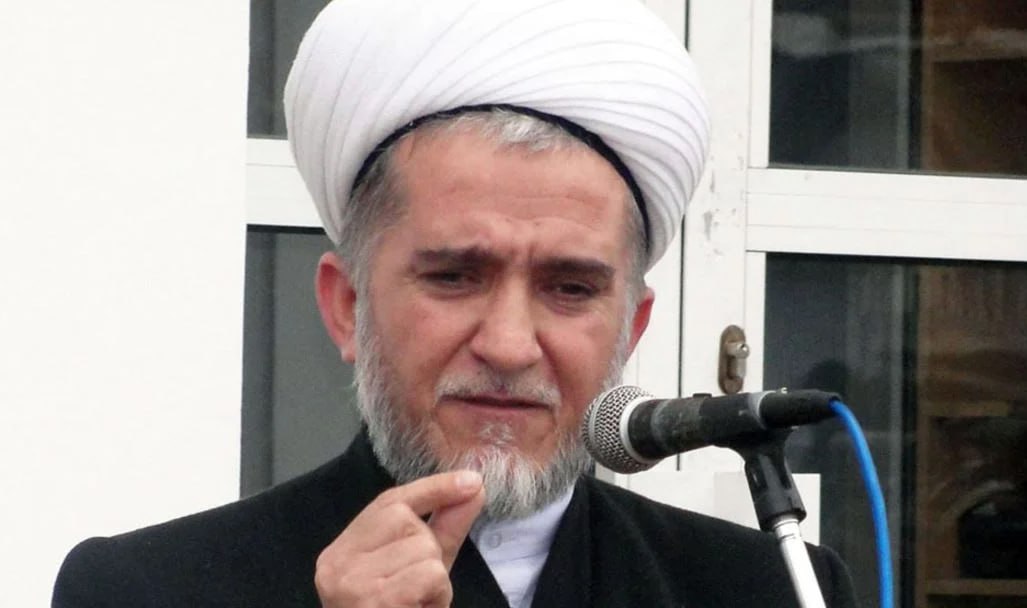
In the first broadcast, Tajikistan’s grand mufti Saidmukarram Abdulqodirzoda, the head of Tajikistan’s Ulema Council, responded to questions from the public.
Reflecting on a recent attack against him, Abdulqodirzoda expressed his gratitude: "I thank God for giving me another chance and time to serve, so that listeners, especially the youth, could benefit."
During the program, the mufti discussed various topics such as the relationship between husband and wife in Islam, the success of parents in raising children, respect for parents, and concerns about young people joining extremist groups.
Abdulqodirzoda voiced his deep concern over the involvement of youth in extremist movements, expressing sympathy for the mothers of these "misguided young people." He lamented: "Children who join these hostile groups are used for selfish and dirty political purposes. These groups exploit inexperienced, uneducated, and naive youth. I feel sorry for their mothers, who will spend the rest of their lives crying and worrying about their children."
He emphasized the need for greater guidance: "We must provide more advice, education, and direction to the youth, so they can ultimately become successful."
Countering "Internet muftis"
The decision by the Council of Ulema to launch a YouTube channel was explained by the Committee on Religious Affairs (CRA) as a necessary step to create a competitive religious environment in the country, ensuring balance in the flow of information and preventing the influence of so-called "internet muftis."
The CRA noted that in the future, other scholars from the Islamic Center will also participate in answering citizens' questions. Additionally, live broadcasts featuring other Tajik ulema, including Jamoliddin Khomushi, the head of the fatwa department, will be held every Wednesday from 10:00 am to 12:00 pm.
The CRA stated that the live broadcasts have quickly shown that society has a strong need for such religious programs. Citizens from various regions of Tajikistan call in during each session to ask their questions.
It was also mentioned that during the first live session with the grand mufti, only he could hear the citizens' questions due to technical issues. The CRA acknowledged these shortcomings and stated that plans are underway to set up a studio to address these problems in the future.
Citizens who wish to ask questions to the Council of Ulema representatives can do so by calling +992 37-224-25-11.