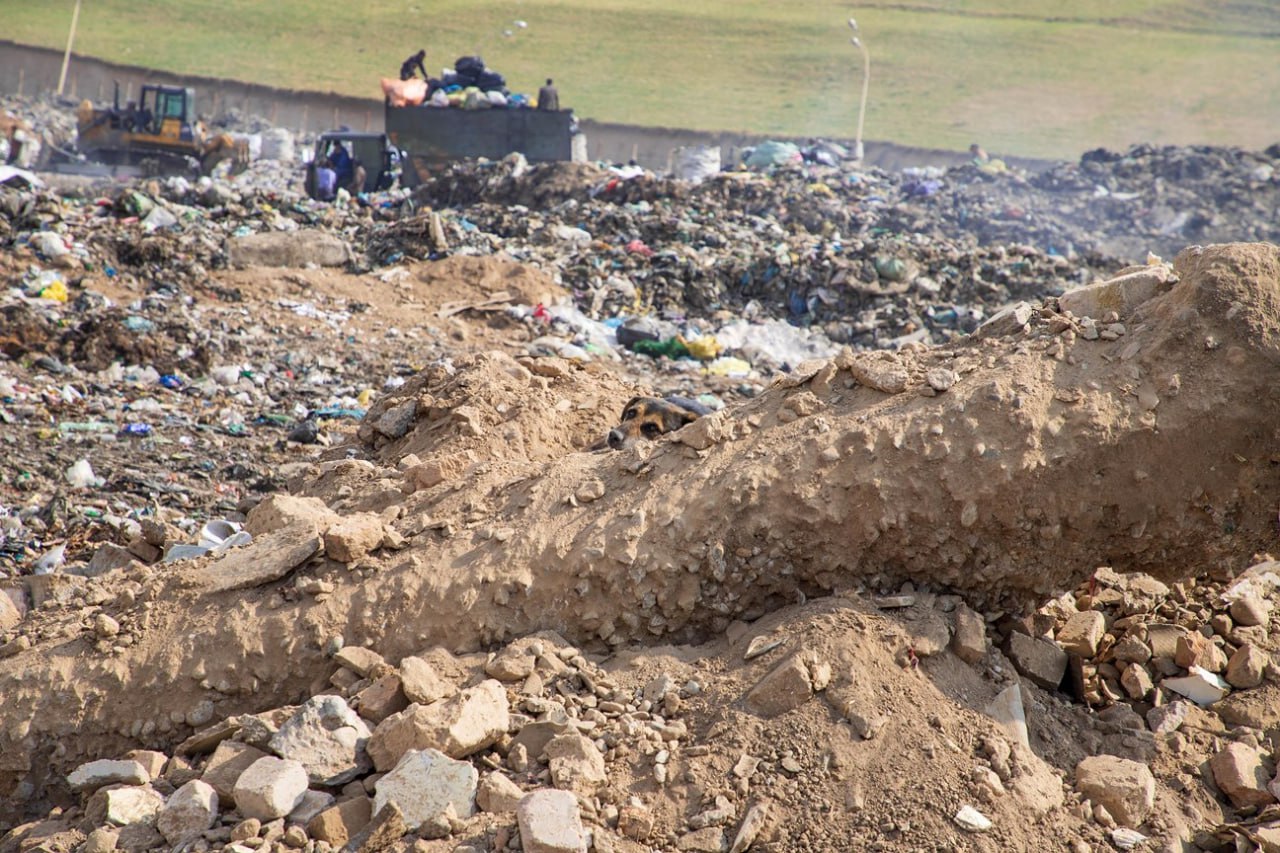
On the road to Vahdat Township, about 11 kilometers from Dushanbe, a landfill stretches over 22 hectares. The odor from the waste can be noticed from a few kilometers away from the dump itself.
People live near the landfill, and many of them work there, collecting and sorting waste into bags. They don’t complain, viewing the work as no worse than any other job, and can earn between 200 and 500 somonis per day.
Fires occur regularly at the landfill, which is a hazardous situation, severely harmful to both people and the local ecosystem. The soil and air are contaminated, and people living nearby suffer from various diseases, often unaware of their true cause.
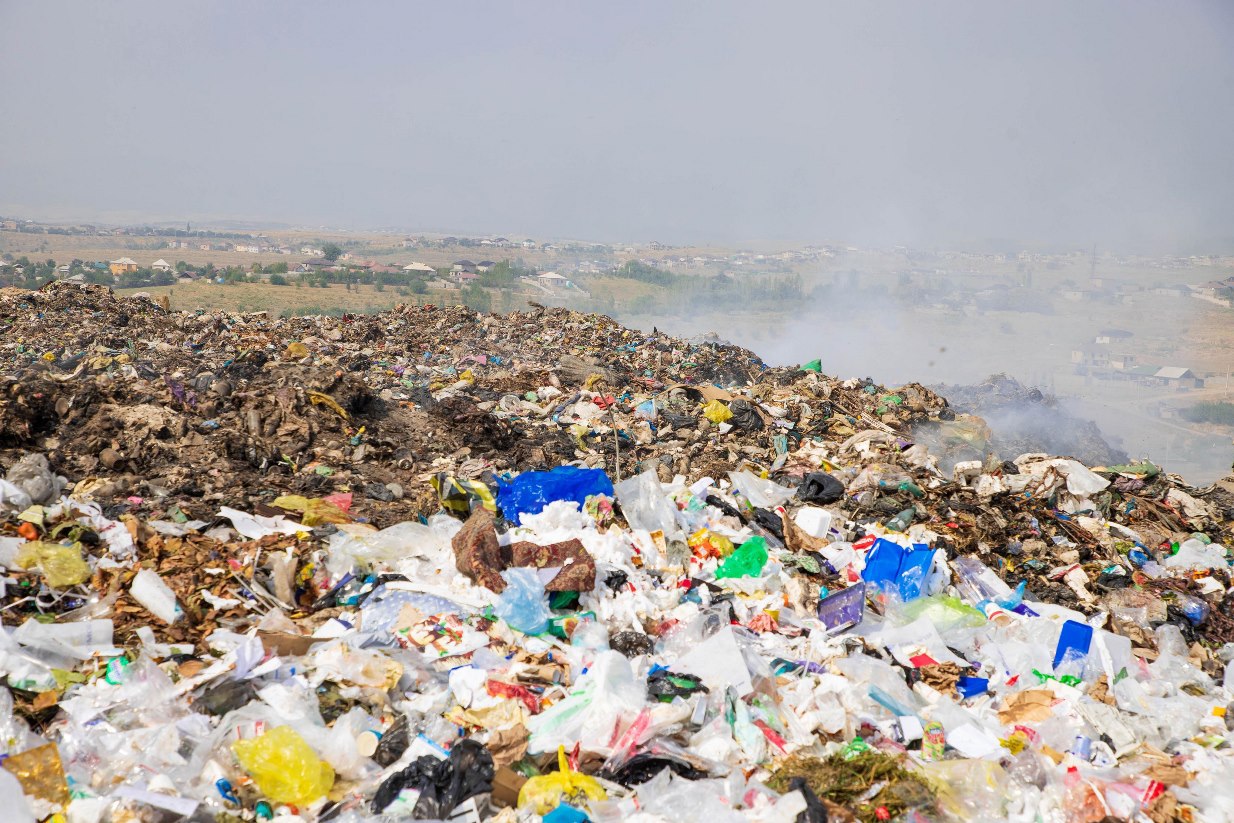
To make landfills safer, it is necessary to follow hygiene standards for maintaining dumps and landfills, monitor preventive measures to prevent spontaneous combustion, and gradually shift to waste disposal methods that are more environmentally friendly.
In the 1970s-80s in the USSR, landfills were often set up in sand pits, depressions, and excavation sites, which no longer meet modern environmental standards.
These landfills have remained in place since then and frequently catch fire due to high concentrations of fluorine and methane, poisoning the air with toxic gases.
The Dushanbe landfill is now 39 years old and remains open, although experts recommend relocating landfills every 20 years.
In 2025, under an order from the mayor of Dushanbe, a solid waste processing plant is planned to be built at the current landfill site, the director of the State Unitary Enterprise (SUE) “Solid Waste Dump of Dushanbe” (though he declined to give his name) told Asia-Plus’s reporters.
“The plant will be constructed by Chinese companies, and in addition to waste processing, it will produce fertilizer from the gas generated by the burning waste,” he said.
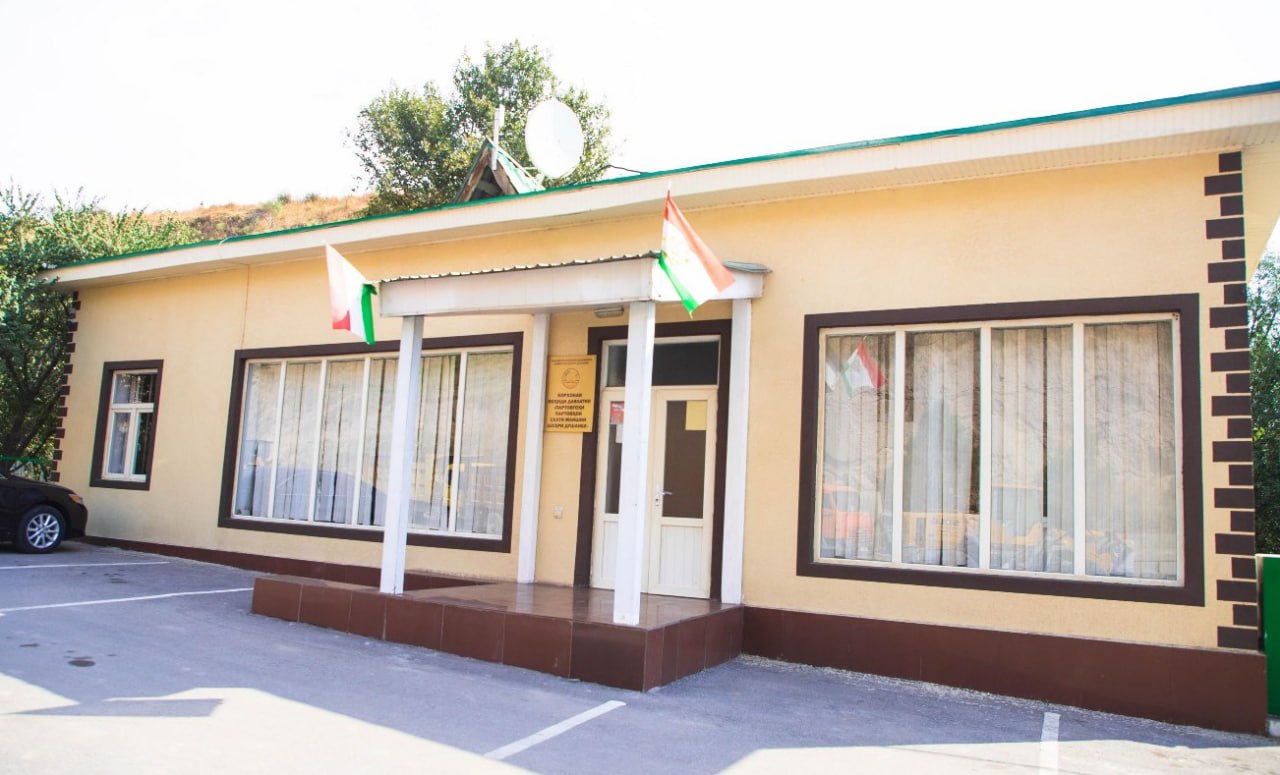
A small processing plant was built in the city back in 2011, but it cannot handle all the waste generated by the capital daily—about 1,500 tons of household waste arrives at the landfill every day.
Each truck pays a fee for dumping waste at the site, which, as explained, comes from the monthly waste collection fees paid by residents.
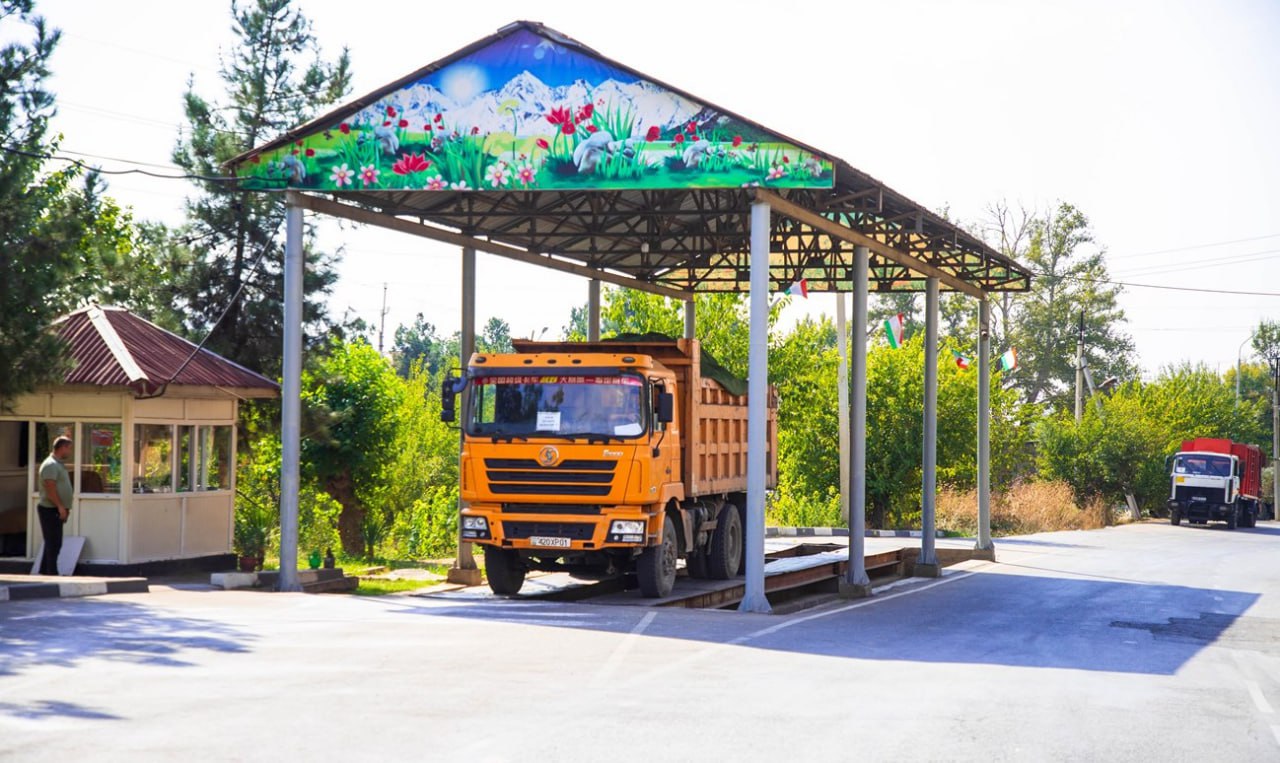
In the SUE’s office, a price list is displayed, detailing the fees for receiving, storing, and disposing of solid household waste, animal carcasses, and the costs associated with the transportation and disposal of medical waste.
Medical waste, as well as LED lamps, are destroyed on-site in special incinerators.
The rest is buried using bulldozers, but there is so much waste that they can barely keep up.