With electricity rationing, residents of Tajikistan’s regions heat their homes using coal, firewood, or dung (dried, pressed manure). As the cold season begins, demand for these fuels increases. Here’s a look at the current prices for coal and firewood and the projected winter fuel costs for a family of five.
How much does coal cost?
This year, the market price for 1 kg of household coal is between 2 and 2.5 somonis. Industrial coal, such as coal powder or small coal fragments used in factories, is priced between 1 and 1.5 somonis. There are three types of coal sold in Tajikistan, with prices depending on quality:
- Kyrgyz coal: 3.50 to 4.00 somonis per kg.
- Local high-quality coal: 2.00 to 2.80 somonis per kg.
- Local industrial-use coal: 1.20 to 1.80 somonis per kg.
The cost of local quality coal varies by region. For example, in Sughd province, it averages 2.00–2.40 somonis per kg; in Khatlon province — 2.30–2.50 somonis; in districts subordinate to the center (RRP) — 2.00–3.00 somonis; and in the Gorno Badakhshan Autonomous Region (GBAO) — 3.10–3.80 somonis.
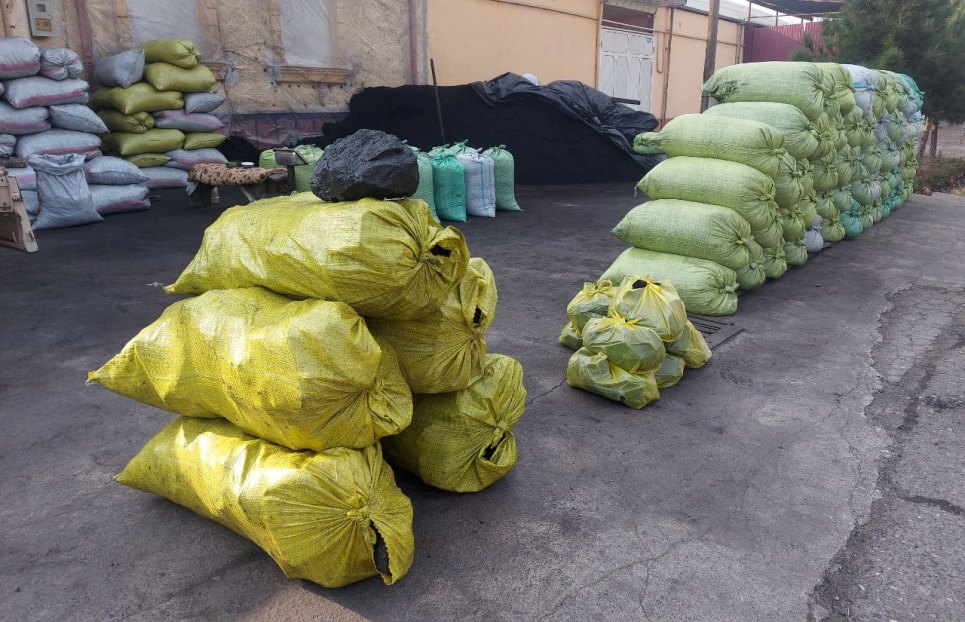
Coal prices at mining sites
The Shurob coal mine (owned by "Angisht" JSC) in Isfara offers wholesale prices for high-quality coal at 1,200 somonis per ton. Coal powder costs 550 somonis per ton, while mixed coal sells for 1,200 somonis per ton. For retail, 1 kg of mixed coal is priced at 1.2 somonis. According to sellers, the average retail market price of 1 kg of coal is around 2.5 somonis. “The cost reflects transport expenses and distance from the mines. In regions closer to coal mines, prices are lower, while prices rise in distant areas due to delivery costs,” explained a coal seller in the northern city of Panjakent.
At the Fon-Yaghnob mine in the Ayni district, two types of coal are mined: surface and underground. Surface coal costs 396 somonis per ton wholesale, while underground coal is priced at 444 somonis per ton.
Other winter heating sources in Tajikistan
Many Tajiks, especially rural residents, heat their homes with coal, firewood, and dried manure (tapak). “We usually start heating around mid-November, but this year it got cold earlier. We haven’t stocked up on coal yet, so we’re using firewood and tapak,” says a resident from the village of Ruknobod, which is subordinate to city of Panjakent.
Bahthiniso, a resident of Marghedar village, which is also subordinate to the city of Panjakent, reports buying over 1 ton of coal each year and using firewood and tapak for heating. For her six-person household, heating two rooms through the winter costs over 5,000 somonis. “In winter, fuel is needed not just for heating but also for cooking, heating water, and laundry, so we spend a lot each year,” she explains.
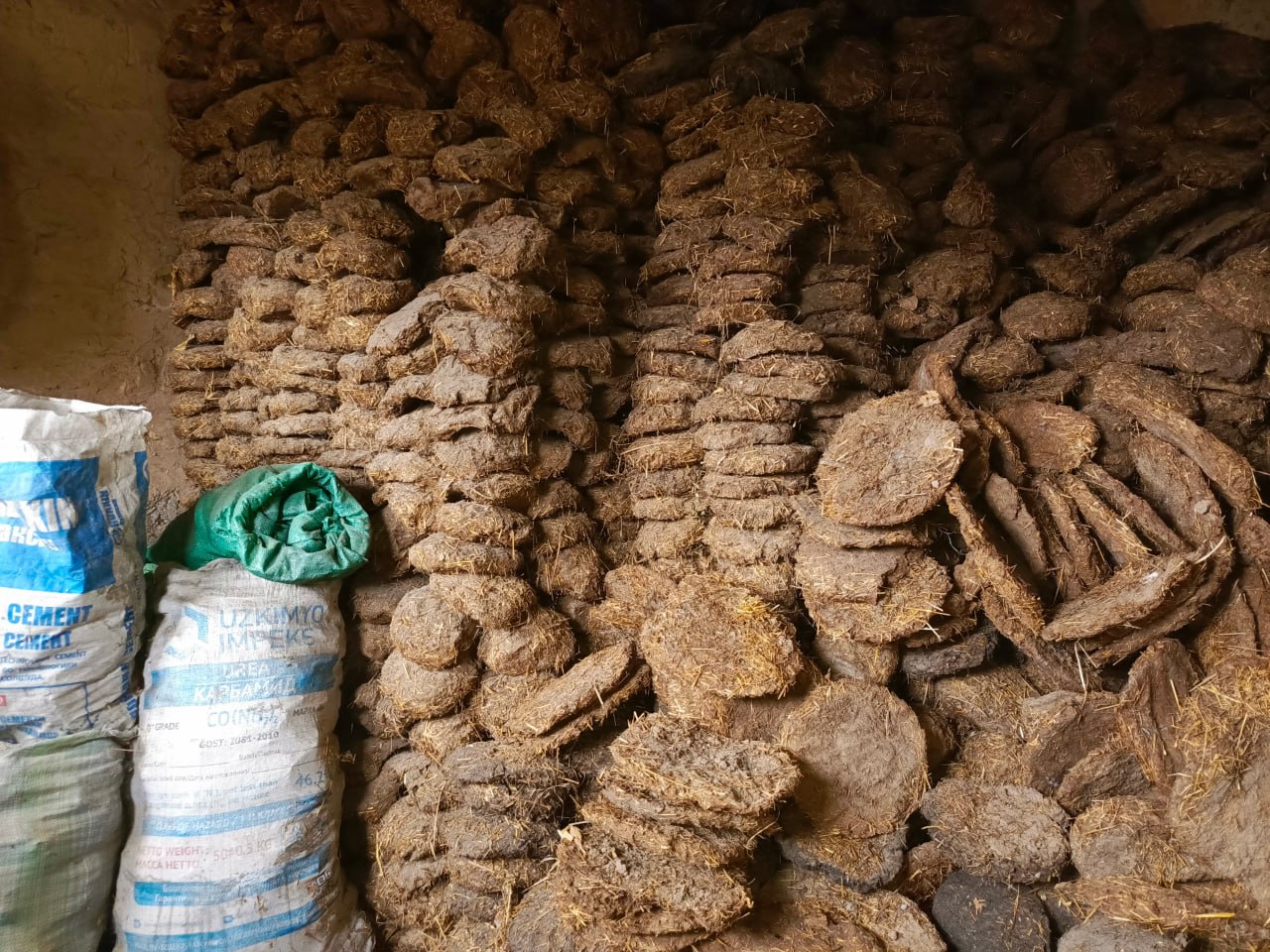
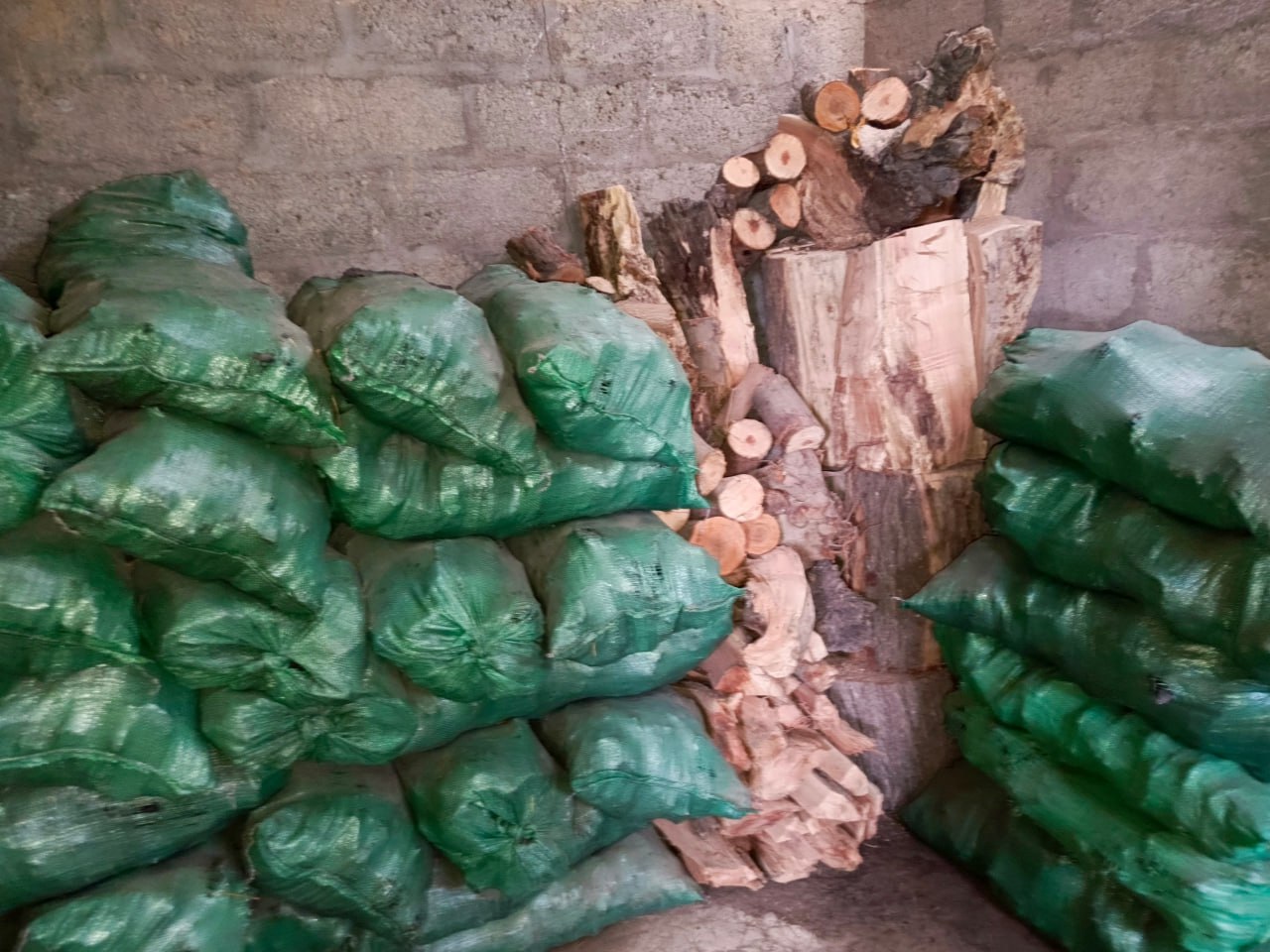
As the cold sets in, firewood demand also rises. Sellers currently offer a truckload of firewood for 500 to 1,000 somonis, stumps for up to 2,500 somonis, and tapak for up to 1,500 somonis.
Tajikistan's coal production
Coal mining operations are active in Sughd province, including sites managed by "Angisht," "Fon-Yaghnob," "TALCO Resource," "Diyori Angishti Tojikiston," "Qudrat 2010," and the "Tajik Metallurgical Plant." The Sughd province administration’s Industrial Department reports 1.6 million tons of coal were mined in the first half of this year, 443,000 tons more than in the same period in 2023.
According to Tajikistan’s Ministry of Industry and New Technologies, national coal production reached 1,933,369 tons over the first nine months of this year, which is about 440,000 tons below the target. The annual goal is set at over 2.3 million tons, with most mines achieving around 80% of their planned output.