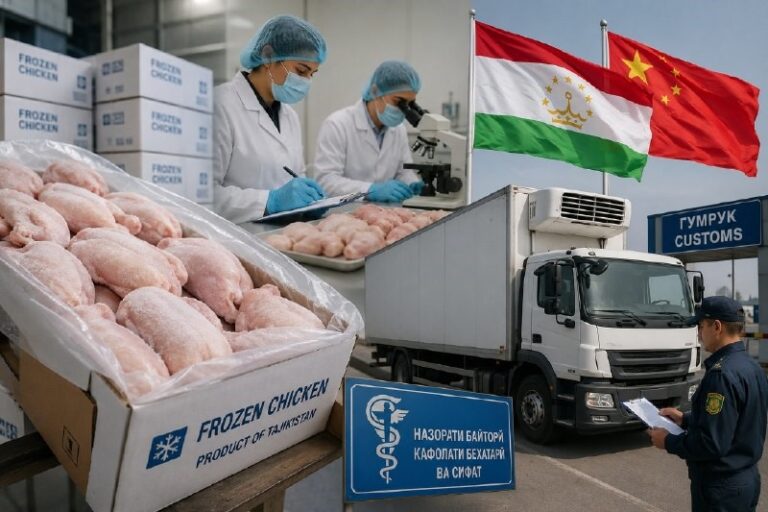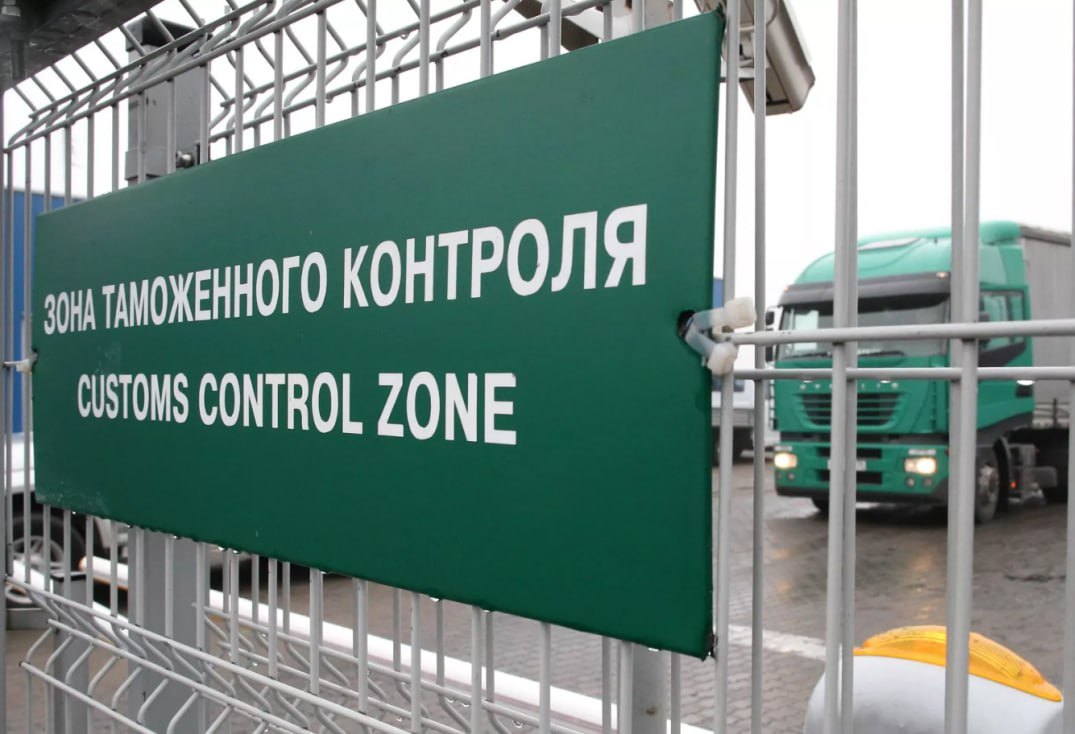
The customs authorities of Tajikistan and Russia have signed an agreement to implement a simplified procedure for customs operations when moving goods and vehicles between the two countries, known as the "Simplified Customs Corridor."
The Cusotms Service of Tajikistan says the document was signed by the Head of the Customs Service under the Government of the Republic of Tajikistan, Khurshed Karimzoda, and the Head of the Federal Customs Service of Russia, Valery Pikalyov, on sidelines of the annual International Customs Forum that took place in Moscow on October 29-30.
The simplified customs corridor (SCC) is an electronic system designed to advance the exchange of information about transported goods.
The Russian Cusotms Service notes that the agreement aims to create favorable trade conditions for individuals and businesses classified as low-risk under the legislation of both parties, including authorized economic operators (AEOs). This should significantly speed up the movement of goods between the two countries, according to a brief statement.
An Authorized Economic Operator (AEO) framework emphasized in the statement is legally enshrined in the Customs Code of the Eurasian Economic Union (EAEU).
An Authorized Economic Operator (AEO) is a certification that can be granted to economic operators in the Eurasian Economic Union by customs authorities.
The Russian customs service highlights that the expansion of the AEO recognition framework is vital, with agreements already signed with China, India, Uzbekistan, Tajikistan, and ongoing negotiations with countries such as South Africa, Turkey, Turkmenistan, Brazil, Mongolia, Azerbaijan, and Cuba.
This agreement with Tajikistan was initially signed in November 2023, and in April 2024, the two countries finalized the procedures for information exchange on authorized economic operators.
Some Tajik experts believe that the introduction of new customs procedures between Tajikistan and Russia could be the first step toward Tajikistan’s potential entry into the EAEU. According to these specialists, implementing simplified customs operations allows Tajikistan to evaluate the possible risks of integration into the EAEU.
Tajik authorities have been assessing the feasibility of joining the EAEU for nearly a decade. Since 2014, Russia has been encouraging Tajikistan to join the EAEU. The Union, initially consisting of Russia, Belarus and Kazakhstan, expanded in 2015 due to the accession of Armenia and Kyrgyzstan.
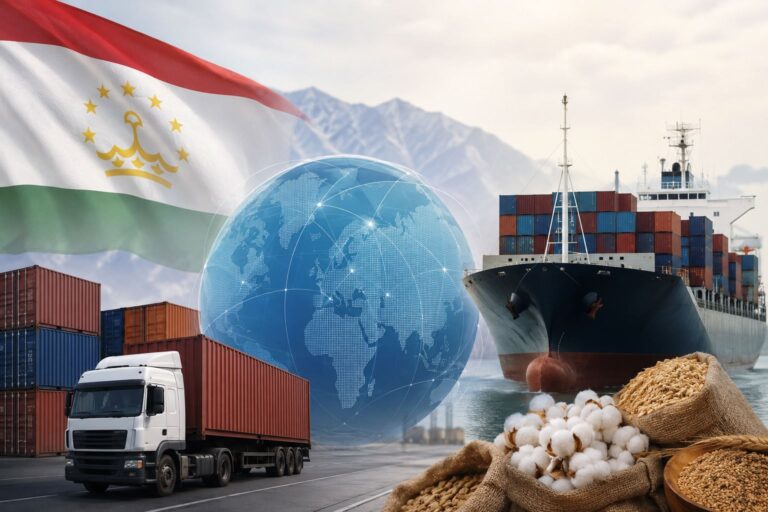
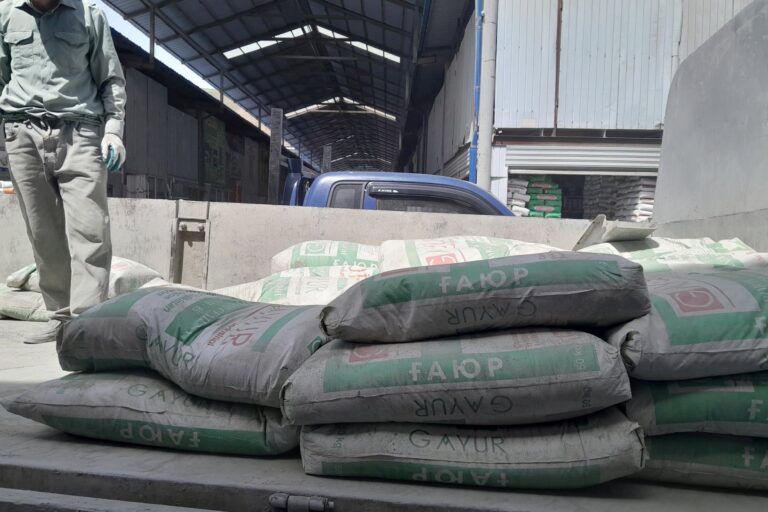
Russia has remained Tajikistan’s main trading partner for over 20 years. According to Tajikistan’s statistical agency, trade turnover between the two countries exceeded $1.4 billion in the first nine months of this year, accounting for more than 22% of Tajikistan’s total foreign trade. Tajik-Russian bilateral trade has increased by 18.4% compared to the same period in 2023. Russian imports represent almost 95% of the total bilateral trade volume, with key goods including petroleum products, food, chemicals, wood, ferrous metals, and machinery.