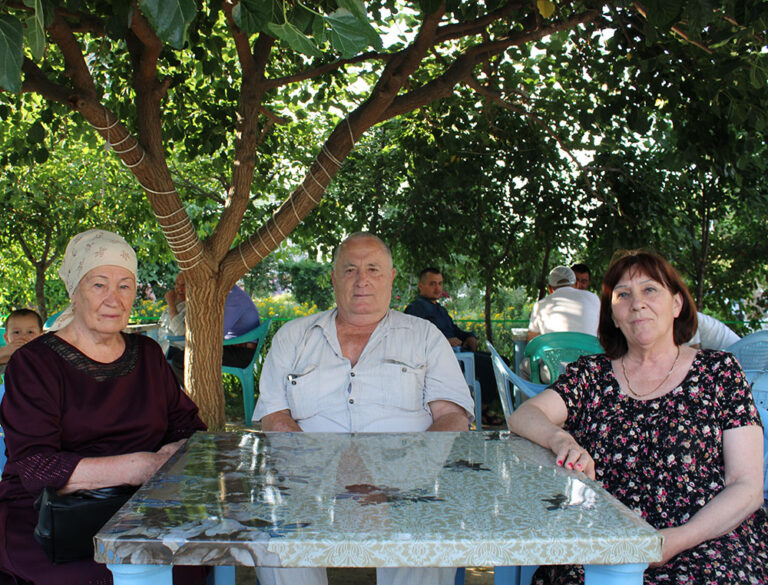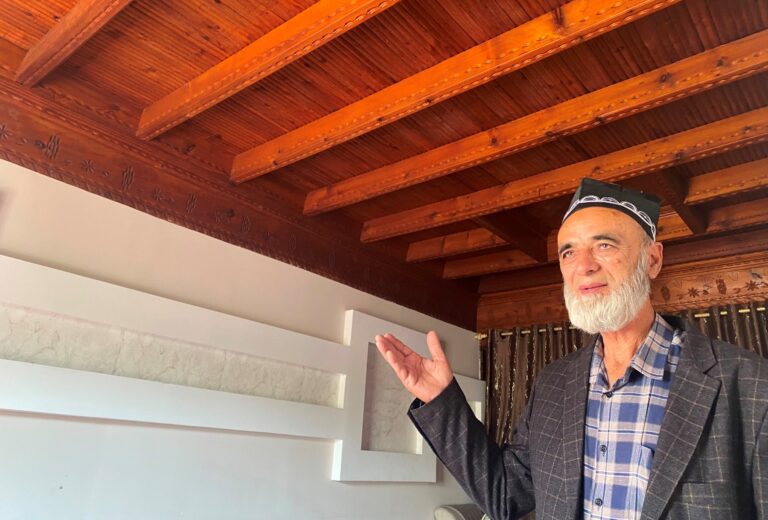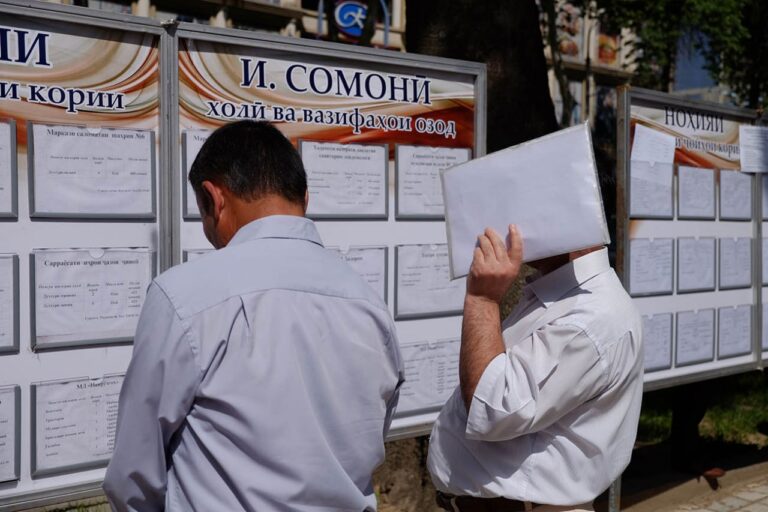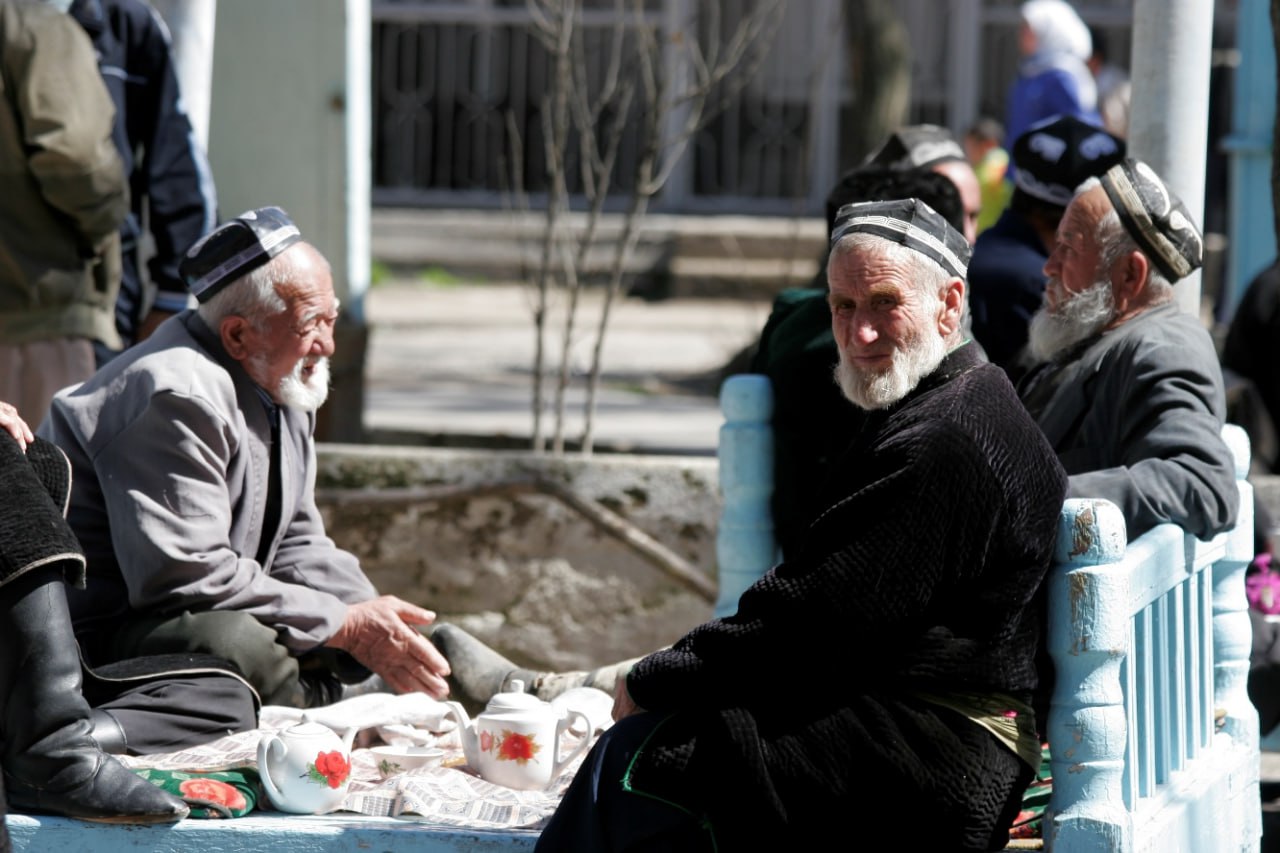
The fate of a retiree in Tajikistan is, to put it mildly, unenviable: as of early 2024, the average pension in the country amounted to just about 371 somonis (US$35), the lowest pension among post-Soviet countries.
This is despite the fact that Tajikistan has a favorable ratio of nearly four working-age individuals for every retiree—the best among all former Soviet republics. For sustainable pension provision, experts estimate that three working individuals per retiree are needed.
The number of retirees in Tajikistan (around 816,000 as of July 1, 2024) constitutes just about 8% of the country's population (10.3 million as of July 1, 2024). In comparison, the ratio is 28.1% in Russia, about 25% in Kazakhstan, Belarus, and Estonia, 16.2% in Georgia, 10.2% in Uzbekistan, and roughly 10% in Kyrgyzstan.
Types of pensions in Tajikistan
According to Tajik law, there are three types of pensions: labor pension (average amount in early 2024 was 447 somonis); insurance pension (369 somonis); and social pension (263 somonis).
Labor pensions depend primarily on the amount of insurance contributions paid by employers to the pension fund.
For insurance pensions, the key factor is the length of employment. These pensions are further divided into categories based on age, disability, or loss of a breadwinner.
Social pensions are for those who, for various reasons, lack a work history or are unable to work (e.g., children with disabilities). This type of pension is funded by the state budget and does not depend on prior contributions.
An ineffective system
Living on a US$35 monthly pension is impossible. Fortunately, under Tajik traditions, children are obligated to support their elderly parents; otherwise, the situation for most pensioners would be dire.
To alleviate the strain of inadequate pensions, the government adopted the “Law on Non-State Pension Funds” in December 2005. This law aimed to establish private organizations for voluntary pension provision, allowing citizens to invest in financial instruments for future retirement benefits.
These funds were intended to act as a secondary pension provider alongside the state and provide supplementary private pensions based on voluntary contributions.
In essence, those who wish to receive higher pensions in old age could save for an additional private pension by choosing a suitable non-state pension fund and making contributions.
Per the law, investment income from pension fund assets is distributed as follows: 70% goes toward increasing pension assets; 10% is allocated to a reserve fund; and up to 20% is used for fund expenses.
Despite the law's passage, not a single private pension fund has been established, even after nearly two decades. Though initial announcements about such funds were made in 2006, progress stalled.
The problem
Experts interviewed by Asia-Plus news agency believe that the main barrier to creating private pension funds in Tajikistan is low wages. They point out that even individuals with average salaries by Tajik standards barely make ends meet.
The few people with incomes above the average can invest and grow their free funds independently without relying on intermediaries such as private pension funds.
According to the Agency for Statistics under the President of Tajikistan, the average nominal monthly salary in September 2024 was 2,587 somonis (US$243), the lowest in Central Asia.
Another obstacle to establishing such funds, experts say, is public distrust, particularly toward private organizations, which could potentially go bankrupt overnight.
Additionally, a lack of financial literacy among the population is considered a barrier to voluntarily entrusting money to private companies.
Experts note that the pension system—both the current state-run one and the proposed private system—is much more complex than simpler financial products like bank deposits. Generally, when people do not understand something, they tend to avoid it.