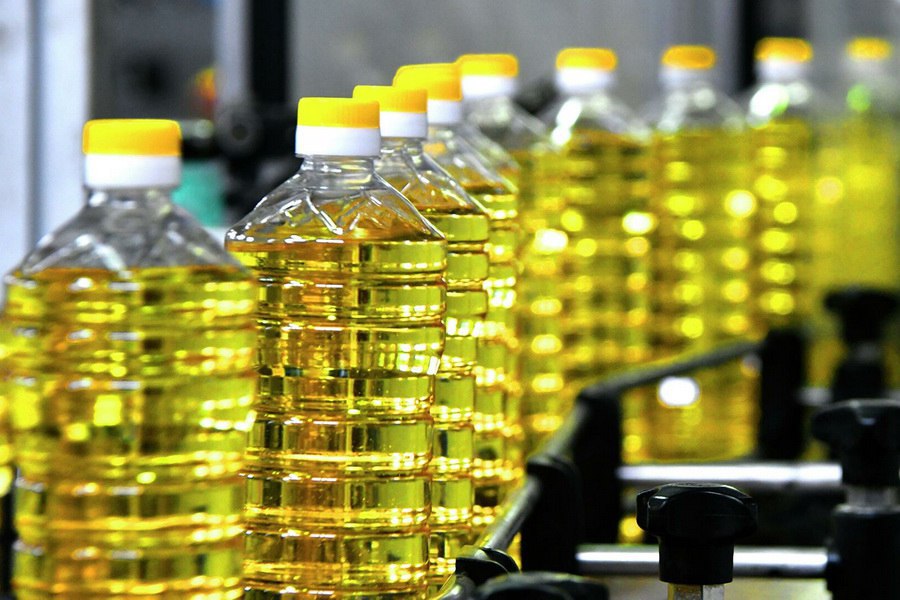
Between September and November 2024, Tajikistan increased its purchases of sunflower oil from Kazakhstan to 17,800 tons, surpassing the figures from the same period last season (17,160 tons) and the year before (12,070 tons), says the analytical network publication Oleoscope.com, citing Kazakhstan's Bureau of National Statistics.
Kazakhstan’s overall sunflower oil exports to other countries in the region reportedly also rose, reaching 111,300 tons in the first three months of the current season (compared to 100,500 tons last year).
Uzbekistan, the largest importer of Kazakh sunflower oil, purchased 52,350 tons of the product, significantly exceeding past seasons' figures. China ranked second, importing 29,900 tons.
For the first time, Turkmenistan received shipments of sunflower oil from Kazakhstan, amounting to 5,000 tons. Afghanistan also increased its imports to 5,560 tons, surpassing previous years’ volumes.
Production of vegetable oils in Kazakhstan from January to November 2024 grew by 12%, reaching 681,900 tons. Exports for the same period rose by 26.3%, totaling 512,600 tons with a value of $441.2 million.
Currently, Tajikistan meets just over 21% of its population's demand for vegetable oil. The country reportedly spends US$170–180 million annually on imports of this product.
According to dietary norms, Tajikistan requires more than 150,000 tons of vegetable oil annually. However, the capacity of 72 local production facilities is limited to producing 25,000–30,000 tons of oil per year.
Modern oil factories equipped with advanced machinery are operating in Dushanbe and Khujand, the capital of the northern province of Sughd. However, most old oil factories operating in the country require upgrades to their production lines.
In the coming years, Tajikistan plans to increase oil production by 20% and reduce imports of this product by 7%.
“To produce 100,000 tons of oil, around 833,000 tons of oilseed crops would be required, and Tajikistan lacks the capacity to cultivate such a large quantity of raw materials,” said Sherali Kabir, Minister of Industry and New Technologies of Tajikistan.
According to the country’s Ministry of Agriculture, the area under cotton and oilseed cultivation is approximately 200,000 hectares. Annual cotton harvests exceed 420,000 tons, while oilseed crops—including flax, safflower, rapeseed, sunflower, sesame, and others—collectively yield less than 100,000 tons. From this, only up to 25,000 tons of oil can be produced.