Tajikistan increases fruit exports but halves vegetable shipments last year

In 2024, Tajikistan's agricultural exports reached US$56.7 million, reflecting an 18% increase compared to the previous year. However, actual volumes may be higher, as some shipments pass through the Eurasian Economic Union (EAEU) member countries and are recorded in their trade statistics. Despite the growth in fruit and dried fruit exports, vegetable shipments have declined […]

In 2024, Tajikistan's agricultural exports reached US$56.7 million, reflecting an 18% increase compared to the previous year.

However, actual volumes may be higher, as some shipments pass through the Eurasian Economic Union (EAEU) member countries and are recorded in their trade statistics.

Despite the growth in fruit and dried fruit exports, vegetable shipments have declined significantly, highlighting logistical challenges and market competition.

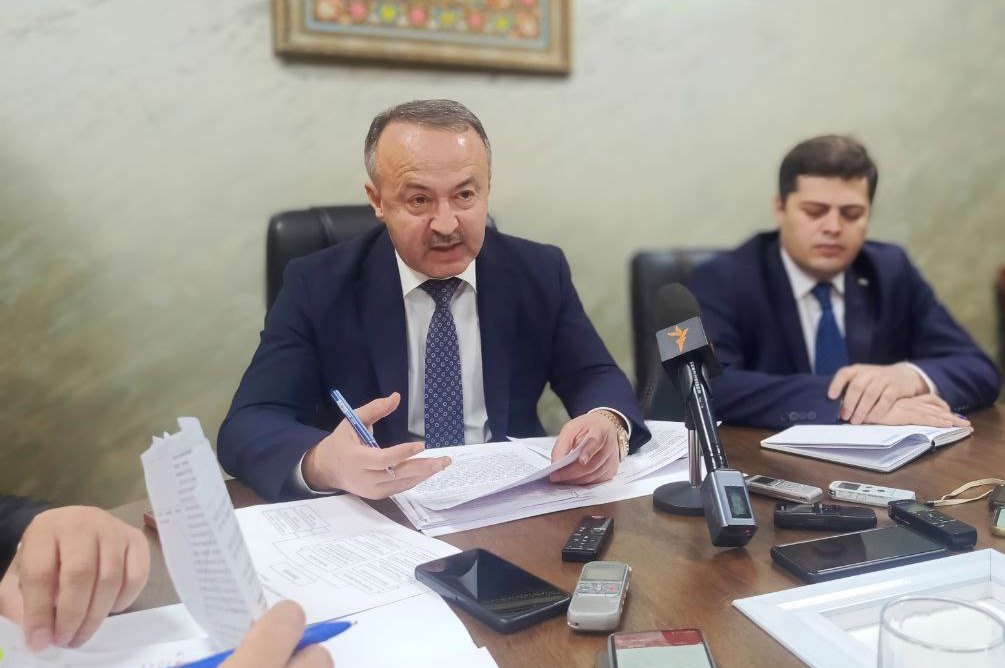
In a report released at a news conference in Dushanbe, Bahriiddin Sirojiddinzoda, director of the Export Development Agency under the Government of Tajikistan, stated on February 7 that official statistics do not fully reflect the actual export situation.

According to him, many Tajik exporters prefer to ship their goods via EAEU member countries to reduce customs duties, causing Tajik products to be registered as exports from other countries.  Experts estimate that the actual export volume could exceed US$100 million.


Diverging Trends in Export Structure

Export figures show mixed dynamics in 2024:

  • Vegetable exports dropped by 51%, totaling 30.9 thousand tons worth $3.5 million, compared to 60.7 thousand tons ($6.3 million) in 2023.
  • Onion exports were hit particularly hard, falling by nearly half.

 

At the same time, fruit exports surged by 44.8% in volume and 57.1% in value:

  • Grapes showed the highest increase, with exports rising 140% in volume and 130% in value.


Challenges hindering export growth

Several key factors are limiting export potential:

  • Lack of logistics infrastructure
  • Transit difficulties
  • Insufficient processing capacity


Tajikistan lacks large-scale collection and storage centers, making transportation of perishable goods difficult.

Additionally, a shortage of modern packaging solutions and brand recognition reduces the competitiveness of Tajik agricultural products.

According to Sirojiddinzoda, addressing these issues could boost exports and strengthen Tajikistan’s position in global trade. To achieve this, the country must focus on:

  • Developing logistics centers
  • Implementing food processing technologies
  • Expanding support for farmers

Join us on social media!

Article translations:

Related Article

Оби зулол
Оби зулол
Tenisi

Most Read

Коммерсбонк Точикистон

Recent Articles

How much did Tajikistan’s budget earn from the “Google tax”?

The law is already 5 years old, but the Tax Committee provided data only for the last 2 years.

The bilateral trade between Tajikistan and Iran increased by 8% in Q1 2026

Another meeting of the joint intergovernmental commission of the two countries took place in Dushanbe.

Russia and Taliban government sign military-technical cooperation agreement

The document may open up opportunities for the exchange of weapons, military technologies, and other types of defense cooperation.

“Hit with fists on the lower back and abdomen.” A teacher from Nurobod, claiming he was beaten by a student’s brother, details the attack

According to him, he is being threatened with murder, and law enforcement agencies have not yet detained the attacker.

International internet starts coming back in Iran after long shutdown 

Western media reports says Iranians ​isolated by a long...

Tajikistan listed among countries with low generative AI usage

Among the Central Asian countries, Kazakhstan has the highest rate.

Prices in Tajikistan rise almost 2% in January-April: apples, fuel, and utilities become particularly more expensive

In April, inflation was 0.6%: food products became more expensive, non-food products increased in price comparatively less, and tariffs for paid services remained unchanged.

Drought in Central Asia becoming a chronic threat, IWMI expert warns

The temperature in the region is rising faster than the global average.

Emomali Rahmon congratulates Tajikistanis on Eid al-Adha and calls for thrift

The President reminded that Idi Qurbon is not a wedding but a religious ceremony that should take place without ostentatious luxury.