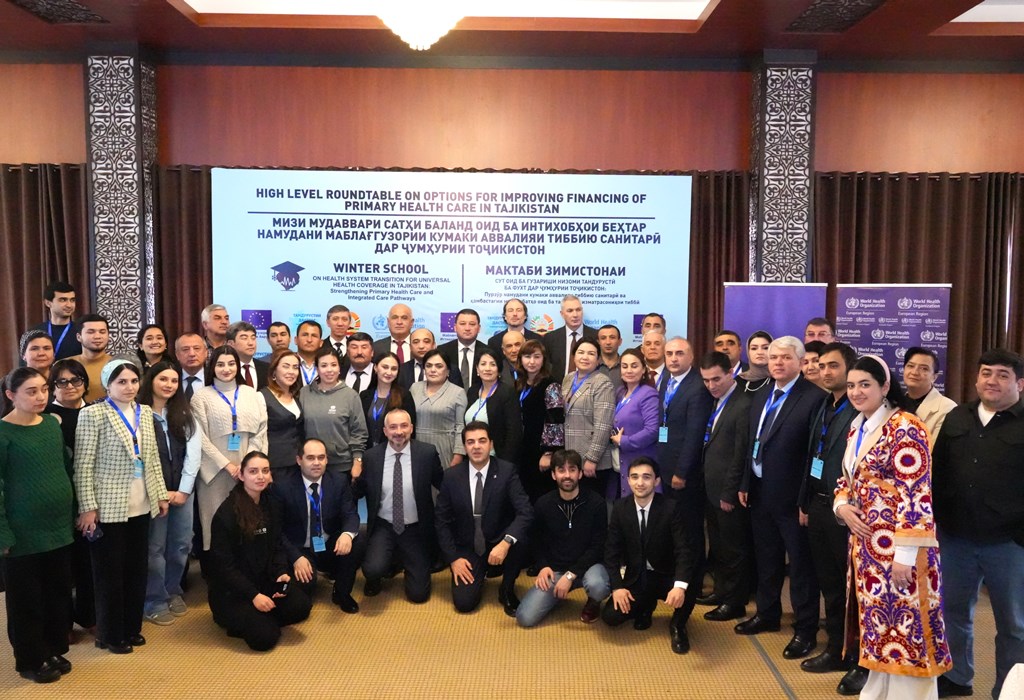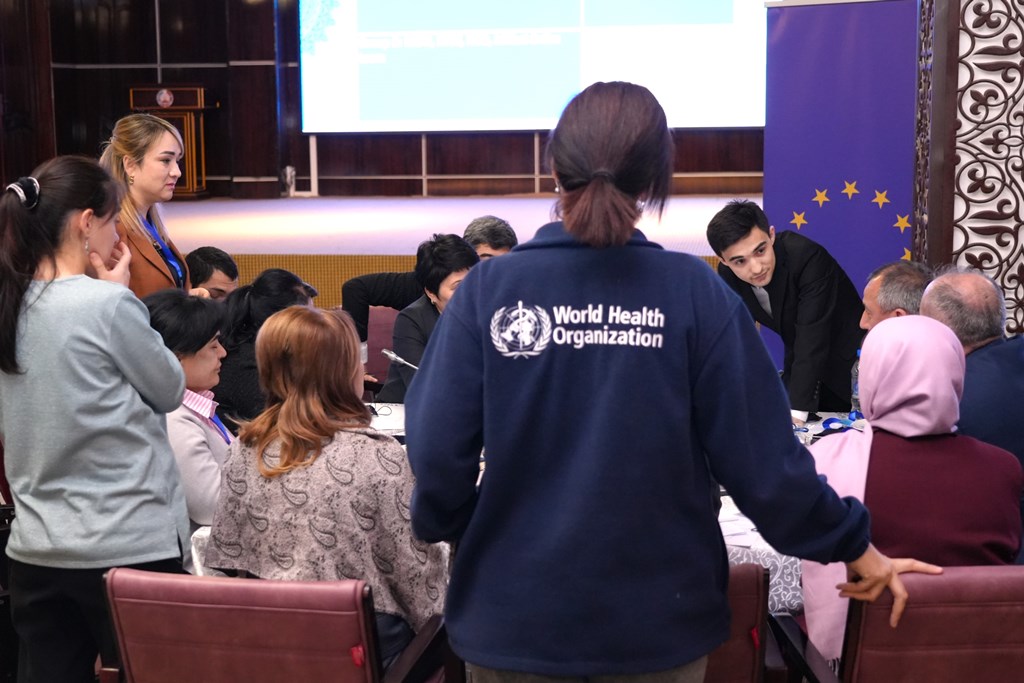
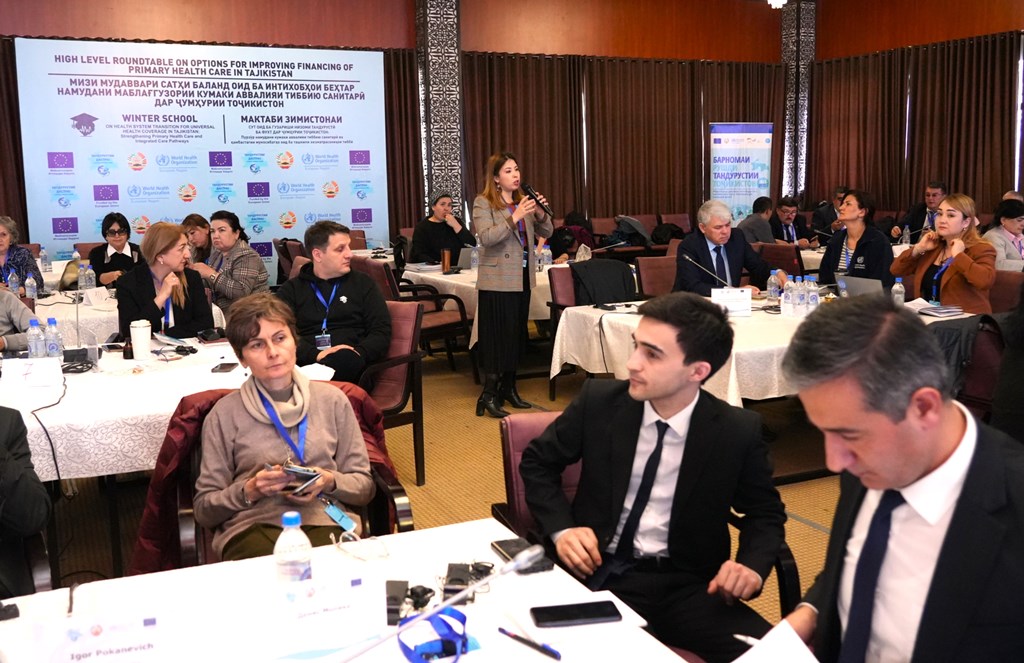
The Winter School on Health Systems returned this year with an enhanced program, which took place from February 6 to February 8. Funded by the European Union (EU) and organized by the World Health Organization (WHO) as part of the Health Development Program, this year’s event offered deep insights and interactive discussions on advancing health systems toward achieving Universal Health Coverage (UHC).
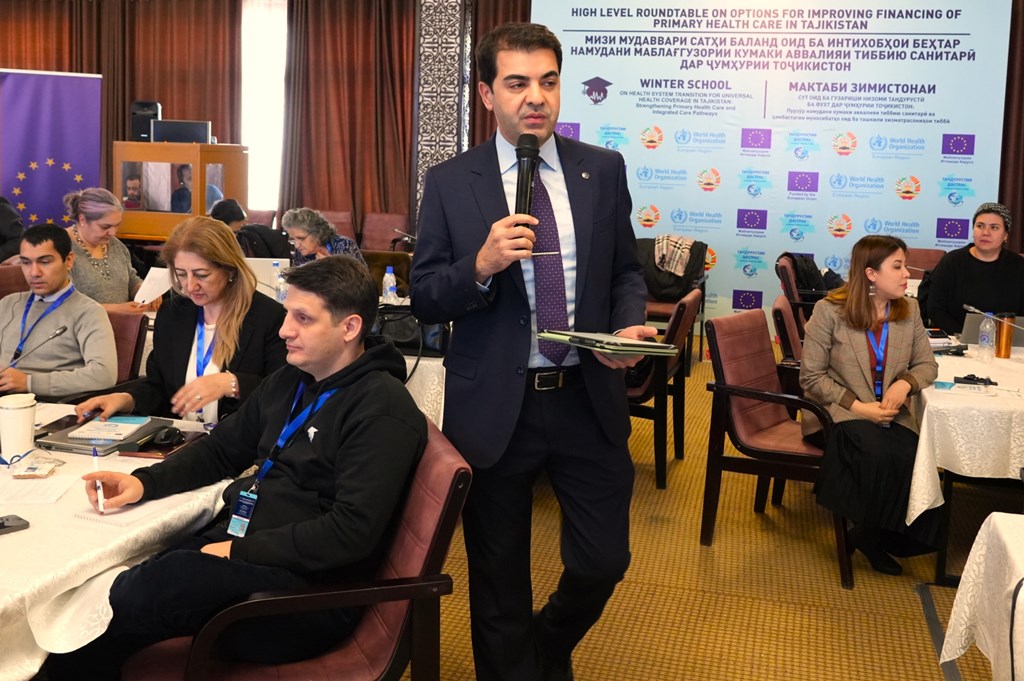
The Winter School on Health Systems has become a key tradition in Tajikistan, marking its fifth edition this year. Designed to strengthen participants’ capacity, the Winter School equipped them with the knowledge and practical tools needed to drive meaningful progress toward UHC. UHC aims to ensure that everyone has access to essential health services without facing financial hardship. At the heart of this goal is primary health care — the backbone of the health system and often the first point of contact for individuals seeking care, where essential services are provided to prevent and cure diseases. Strengthening primary health care in Tajikistan is crucial for building a stronger, more resilient health system.
“Over the past years, we have seen tremendous engagement as participants worked together on innovative solutions to strengthen our health system. This year, we built on those insights to further improve how patients receive health services, especially at the primary health care level,” said Ms. Isabel Uriz Hernandez, Head of Cooperation at the European Union Delegation to Tajikistan.
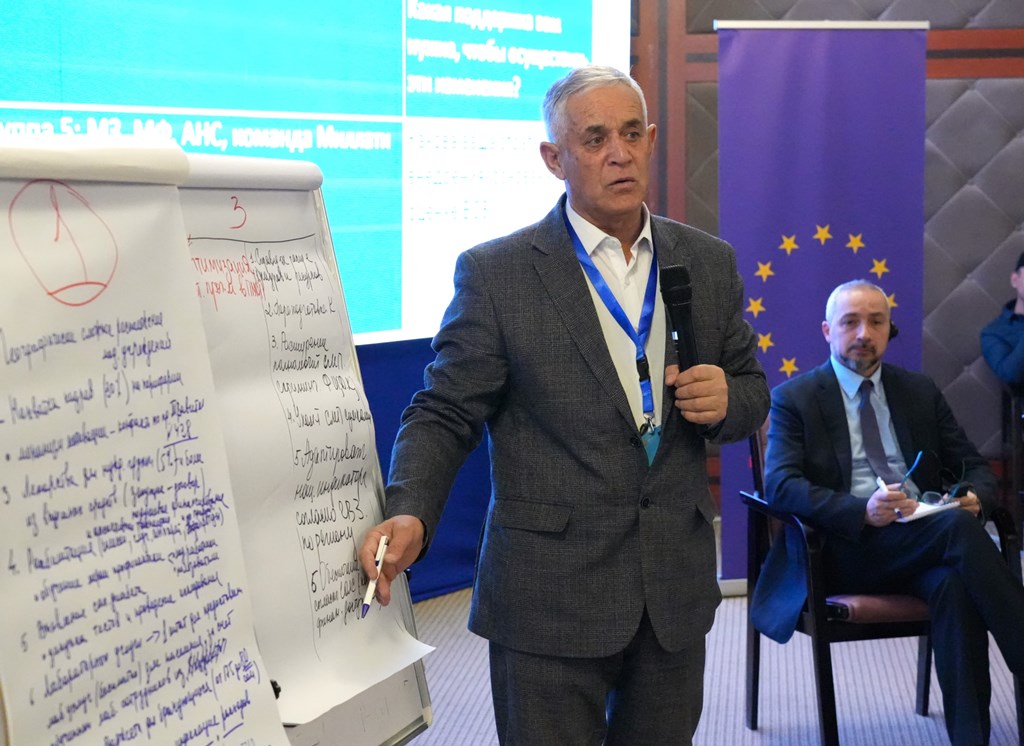
This year, the Winter School focused on the entire journey of patient care—starting from when they first seek help, all the way through to the treatment and ongoing support they receive. The event brought together representatives from various ministries, government institutions, and partner organizations. Additionally, the Winter School attracted attention from participants from other Central Asian and European countries, who were inspired by the initiative and Tajikistan’s approach to strengthening the health system.
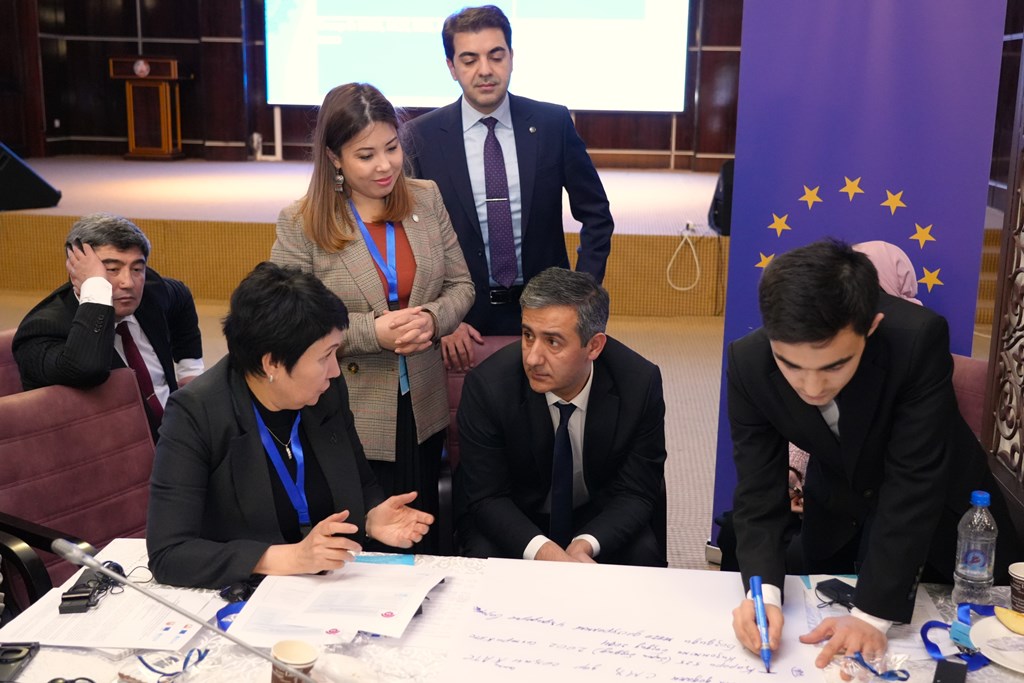
“The Winter School played a crucial role in strengthening our capacity and supporting the ongoing health system reforms. The support from the EU and WHO was essential in advancing our country toward universal health coverage,” said Dr. Ghafour Muhsinzoda, First Deputy Minister of Health and Social Protection of the Population of Tajikistan.
“We were not just building knowledge,” emphasized Sarvar Qurboniyon, Deputy Minister of Finance, “but we were bringing together different sectors and fostering a network of professionals who will work together to shape the future of the health system in our country.”
Through the EU-funded Health Development Program, WHO will continue to provide substantial technical and financial support to Tajikistan throughout 2025, as the country implements ambitious health reforms, including improving the quality and affordability of health services, expanding access to skilled health workers, and ensuring that every citizen has access to essential healthcare services.
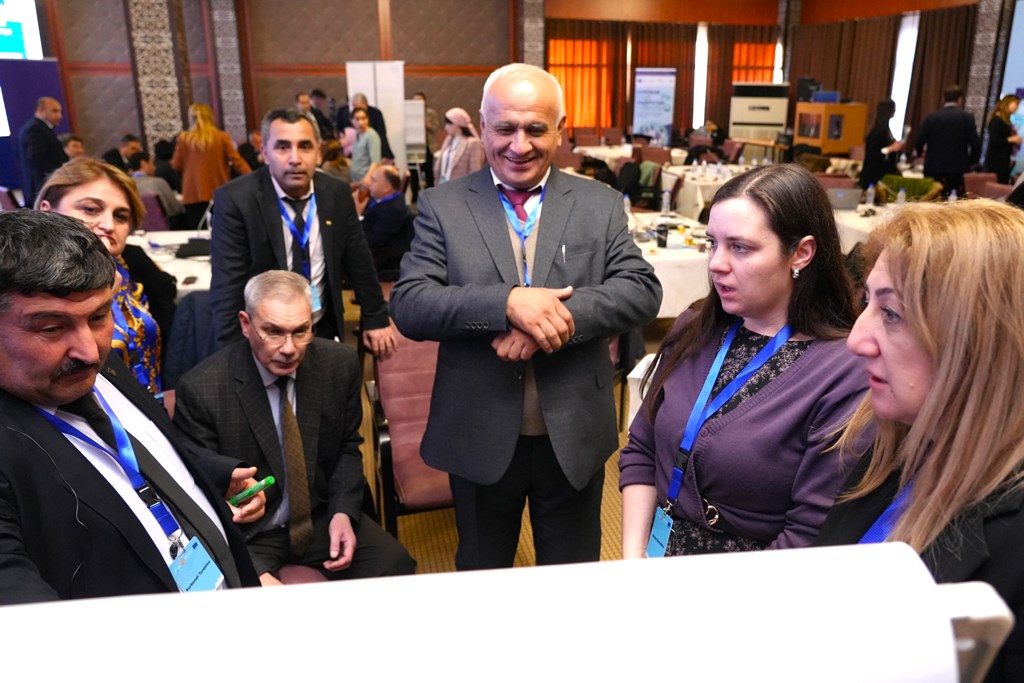
The EU is a strong partner of Tajikistan and has invested over 60 million euros in the last decade to help achieve UHC.