Mandatory electronic coding of Goods: Which importers in Tajikistan need to implement it?

As of July 1, a regulation has come into effect in Tajikistan requiring certain imported goods to have electronic coding. This process will be implemented in four phases, two of which are already in progress, Khurshed Karimzoda, head of the Customs Service under the Government of Tajikistan told Asia-Plus this during a news conference in […]

As of July 1, a regulation has come into effect in Tajikistan requiring certain imported goods to have electronic coding. This process will be implemented in four phases, two of which are already in progress, Khurshed Karimzoda, head of the Customs Service under the Government of Tajikistan told Asia-Plus this during a news conference in Dushanbe on February 12.  

This initiative was reportedly launched under the Government’s decree dated June 12, 2023, titled "On Electronic Coding, the Activities of Operators Tracking Goods Circulation, and Their Monitoring Process."

According to this decree, the current stage applies to four categories of products:

  • Spirit, alcoholic, and energy drinks;
  • Pharmaceuticals and medical devices;
  • Drinking water and cooling beverages;
  • Household appliances.


The Customs Service has not disclosed whether additional imported goods will be included in the future.


What is electronic coding?

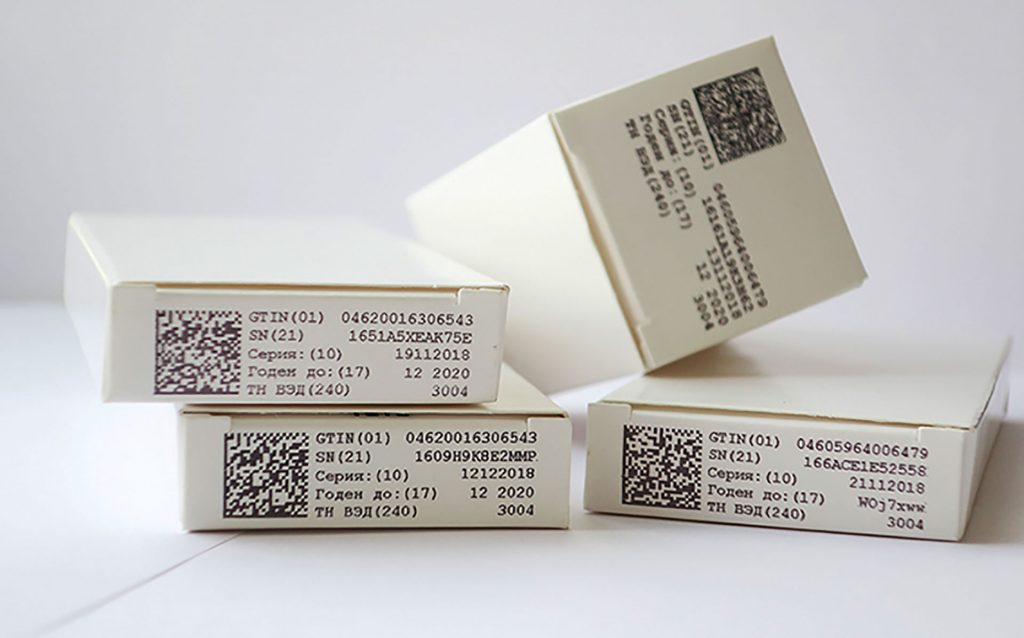
Electronic coding is a QR code applied to imported goods.  The code contains information about the manufacturer, the product itself, the production date, the importer, and other relevant details.

Since July 1 of last year, mandatory electronic coding has been introduced for all types of spirits, alcoholic, and energy drinks.  As of January 1 of this year, the requirement has also been extended to pharmaceuticals and medical devices.

The Customs Service announced that mandatory electronic coding for drinking water and cooling beverages will be introduced starting January 1, 2026.

Importers of household appliances must prepare for the implementation of electronic coding by January 1, 2027.


Who codes the goods?

In Tajikistan, the codes are produced by Tekhnologiya Group (Technology Group) LLC.

After receiving the codes from this company, business operators send them to the manufacturer, who is responsible for affixing them to the goods exported to Tajikistan.

Domestic importers also have the option to apply the codes themselves once the goods arrive in the country—while they are still stored in temporary warehouses at the border.

Join us on social media!

Article translations:

Related Article

Tenisi
Оби зулол
Оби зулол

Most Read

Коммерсбонк Точикистон

Recent Articles

RZD announces the restoration of passenger services between Moscow and Dushanbe

Direct rail services between the capitals of Russia and Tajikistan were suspended in March 2020 due to the COVID-19 pandemic.

#AP30/Stories. “Selam! Heller nichek?” How Tatars live today in Sughd province

On the 30th anniversary of "Asia-Plus," we continue to publish reports that remain relevant even after years. This story was told in 2021, and since then, little has changed in the life of the Tatar community in Tajikistan.

15,000 cameras, drones, and robots: how technology monitors pilgrims in Mecca and Medina

During Hajj 2026, Mecca and Medina were under unprecedented digital control.

Another child in Dushanbe removed from family and sent to boarding school

The Ministry of Internal Affairs reports that the parents did not pay adequate attention to the child.

Emomali Rahmon instructs to address issues in seed production following criticism of the industry

Issues have been noted with certification, seed quality, and the material and technical base of the industry.

Water, climate, and a $130 billion deficit: seven key outcomes of the Water Conference in Dushanbe

At the forum, countries and international organizations discussed new mechanisms for cooperation, investments, and technologies that are essential for addressing the global water crisis.

Eskhata Bank introduces a new generation children’s wallet

"Eshkata Bank" has created a full-fledged digital platform that helps children aged 7 to 16 learn how to manage money.