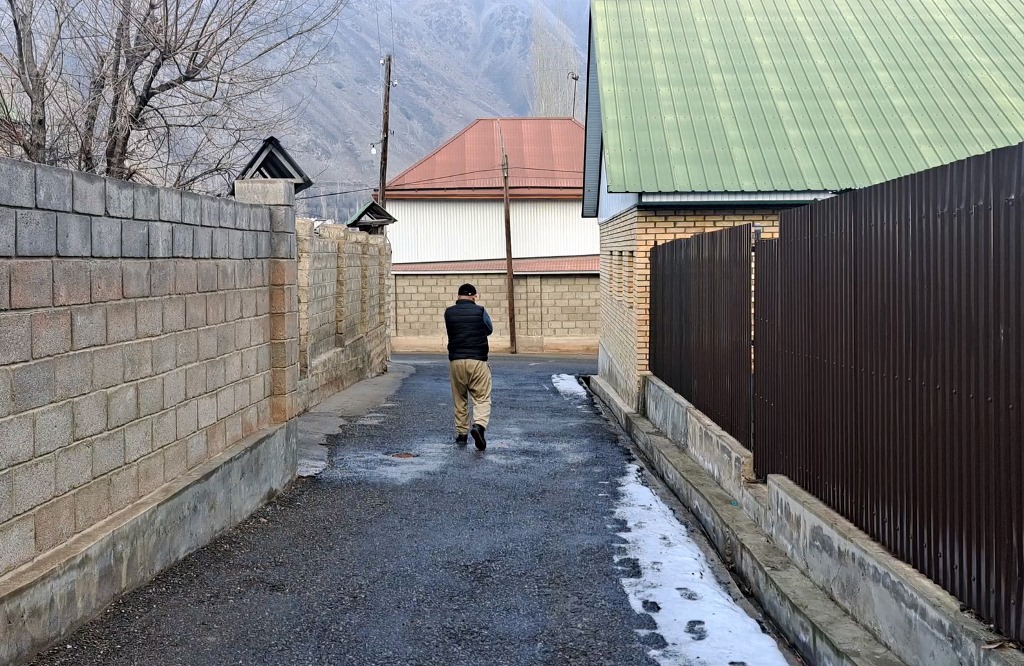
Deserted streets, houses locked up, and an unusual silence for these areas: residents of the Asht district in the northern province of Sughd are migrating in large numbers. Why is this happening? What picture can be seen in the villages, and what do the remaining residents say? Here's our report.
It’s not just local men who are heading to Russia for work; entire families are leaving, including the elderly.
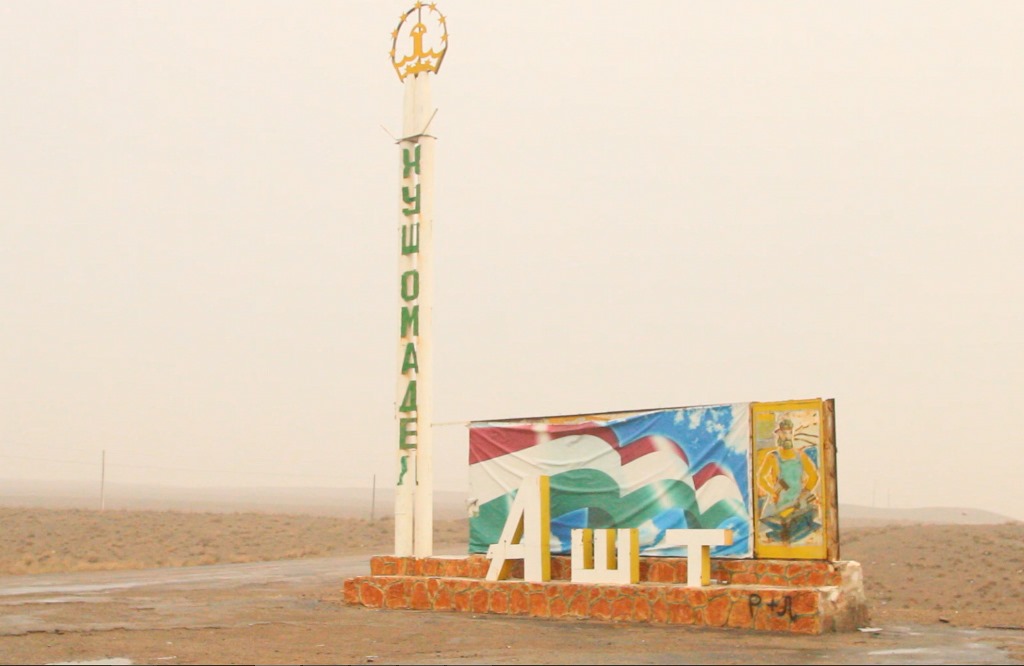
The situation hasn't changed even after the tightening of migration policies and periodic deportations of Tajik citizens. The inability to find work at home forces people to travel to Russia at their own risk.
Some villages in the Asht district have literally been “orphaned”—deserted streets, locked houses, and an eerie silence. According to locals, this has never happened before: life was bustling, children were running around, and old people sat on benches.
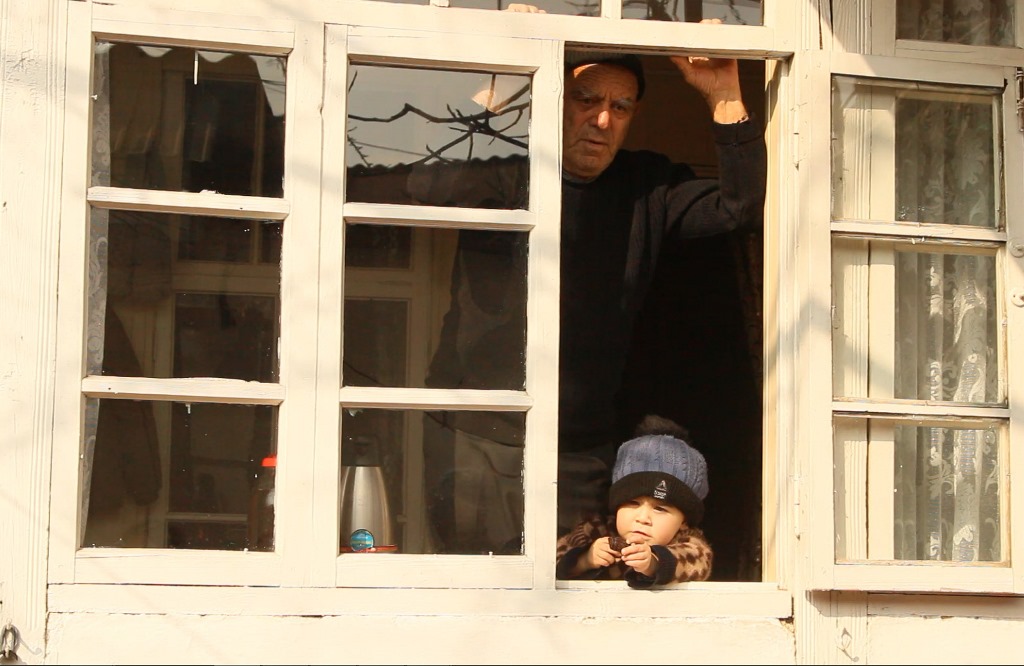
Each village typically has one resident “keyholder” to whom the families that have left entrust their homes. For a certain fee, the keyholder looks after the safety of the houses and waters the trees growing in the gardens during the season.
The new laws in Russia are making the young people of Asht take the issues of legalization more seriously, including learning the Russian language to avoid the possibility of deportation.
Those who remain in their native villages try various ways to earn a living at home, but options are limited. Generally, this means either agriculture or trade. There are also those who stay because of elderly parents.
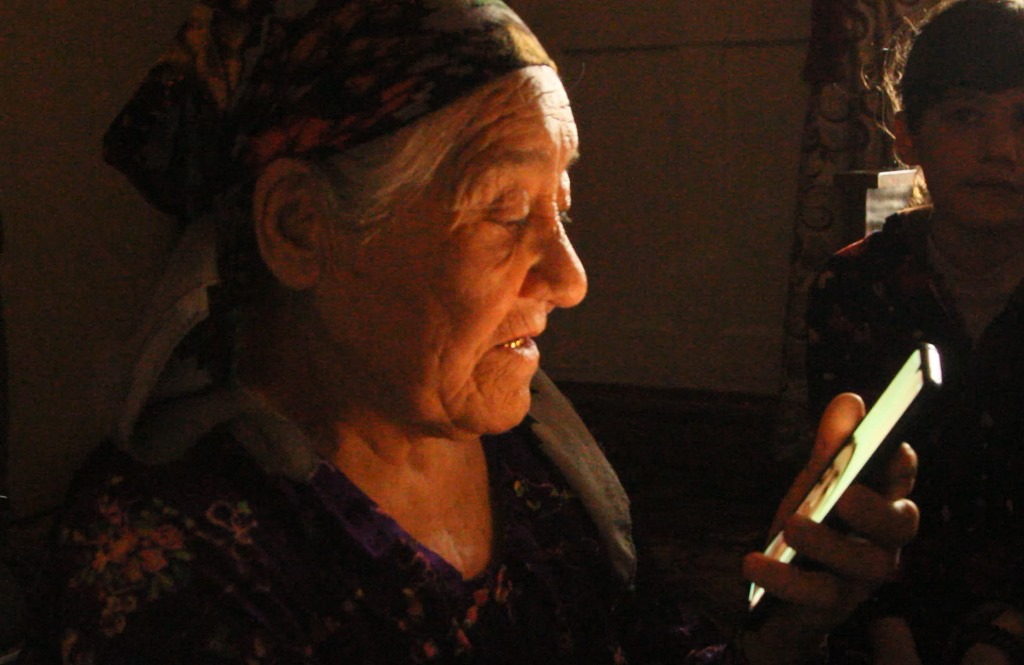
According to the office of the Migration Service of the Ministry of Labor in Sughd province, about 24,000 residents of the Asht district were engaged in labor migration as of July 2024.
These figures show that the trend of population outflow is only increasing. By the end of 2023, the number was 17,500 people.
It should be noted that a similar situation is observed in other regions of the country as well.
According to Tajik authorities, around 600,000 migrants went to Russia last year, while unofficial sources report that the number has long surpassed one million. Official data indicates that about 124,000 Tajik citizens are at risk of deportation from Russia.