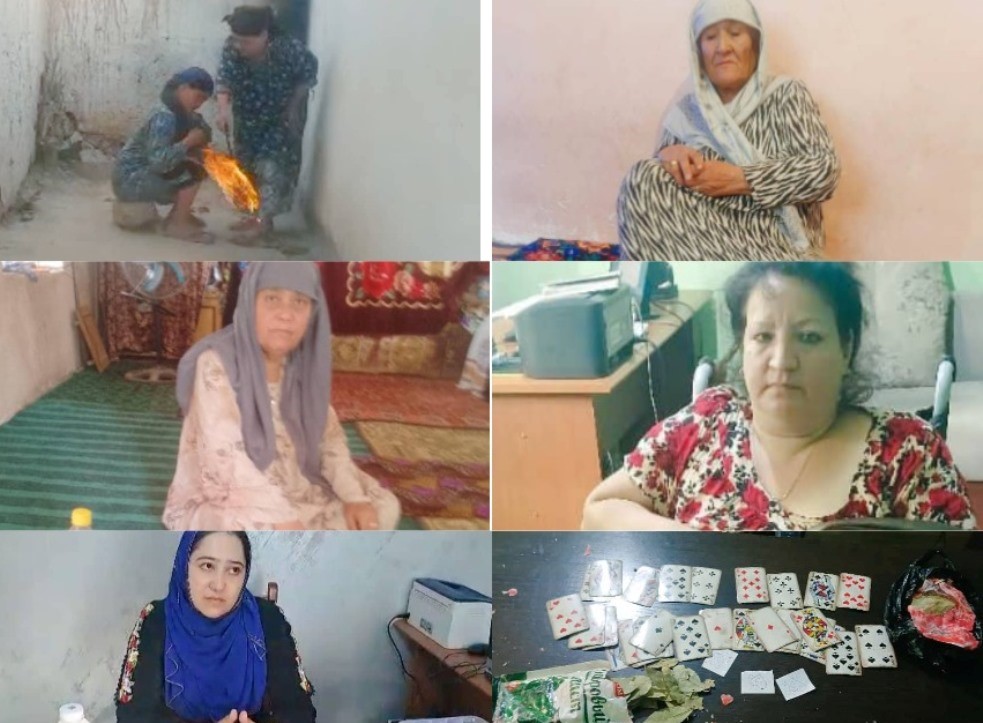
Authorities in Tajikistan have detained four women accused of practicing witchcraft and offering so-called "magical services," as part of an ongoing campaign to curb superstition and unauthorized spiritual practices.
According to the Interior Ministry’s Office in Khatlon province, the women were arrested in the districts of Vose, Abdurahmoni-Jomi, and Shahritous.
The detainees have been identified as:
- Niloufar Nouriddinova, born 1987 (Vose district)
- Mastona Shaidodova, born 1976 (Abdurahmoni-Jomi district)
- Malika Sarakhonova, born 1958 (Shahritous district)
- Aitila Taghoyeva, born 1955 (Shahritous district)
Authorities allege that the women were engaged in activities such as fortune telling, curse removal, and other occult practices. All four have been charged under Article 482 of Tajikistan’s Code of Administrative Offenses, which prohibits “engaging in witchcraft and fortune telling.”
The cases will soon be referred to court, where the women are expected to receive significant fines.
Despite regular arrests and public awareness campaigns, demand for such services remains high in parts of the Khatlon province, officials noted.
The Interior Ministry has reiterated its warning to citizens to avoid turning to self-proclaimed spiritual practitioners and to report such cases to local law enforcement.
The crackdown is part of broader efforts by the government to promote scientific thinking and reduce reliance on superstition across the country.
Tajik authorities intensified raids targeting fortune tellers and faith healers last year amid a new government clampdown on the centuries-old practices.
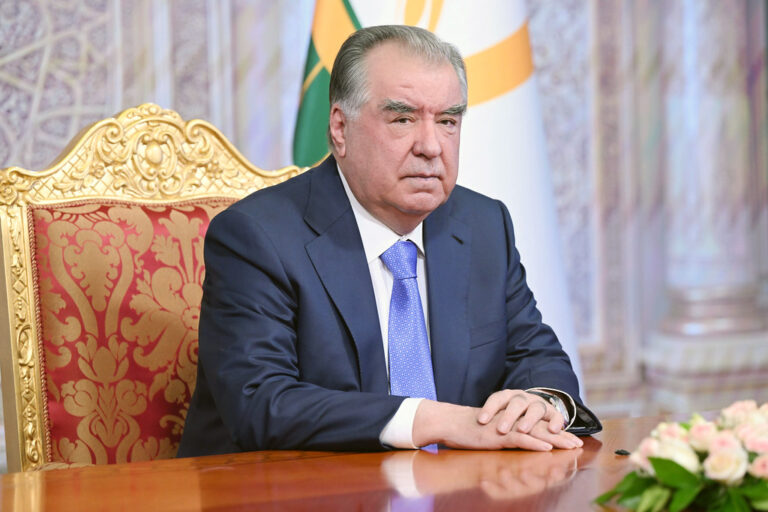
Tajikistan’s President, Emomali Rahmon, said in November last year that law-enforcement agencies detained 1,500 people engaged in “witchcraft and fortune telling” and more than 5,000 “semiliterate mullahs,” a Tajik euphemism for faith healers.
Rahmon said the measures took place on his orders, but he did not elaborate on the timespan during which the 6,500 arrests had taken place.
More than 150 soothsayers were detained in August last year alone.
Police and state media have regularly published the names and photos of alleged healers and occult practitioners detained in the raids.
In June last year, Tajikistan introduced tougher punishments for fortune-telling, which has been outlawed since 2008.
First-time offenders face a misdemeanor charge, punishable by a fine or up to 15 days in jail. Repeat offenses, however, are considered criminal and punishable by a fine of up to $13,500 or two years in prison.
Soothsaying is also banned in Islam, to which the overwhelming majority of Tajikistan's citizens adhere.
Despite being banned both by law and religion, fortune tellers in Tajikistan's society have no shortage of clients who want a glimpse of the future and more.