Tajikistan’s agrarian sector is facing a number of serious problems threatening the country’s food security and sustainable development. In a statement delivered at a republican seminar in Danghara on May 17, President Emomali Rahmon highlighted the key pain points of the sector and demanded urgent action from responsible agencies.
Spring sowing falls short of the target: potato crop in trouble
As of May 16, the spring sowing campaign in 2025 was completed at 94%. However, significant shortfalls remain in key crops — only 73% of the potato sowing target and 91% for vegetables were achieved.
The situation is especially critical in Khatlon and Sughd provinces. For example, in Khatlon’s Khovaling district, only 25% of the planned potato area was sown, and in Sughd’s Panjakent distirct — 47%. The president instructed relevant authorities to urgently complete the sowing and ensure 2–3 harvests this season.
Irrigation on the brink: pump stations idle, lands deteriorating
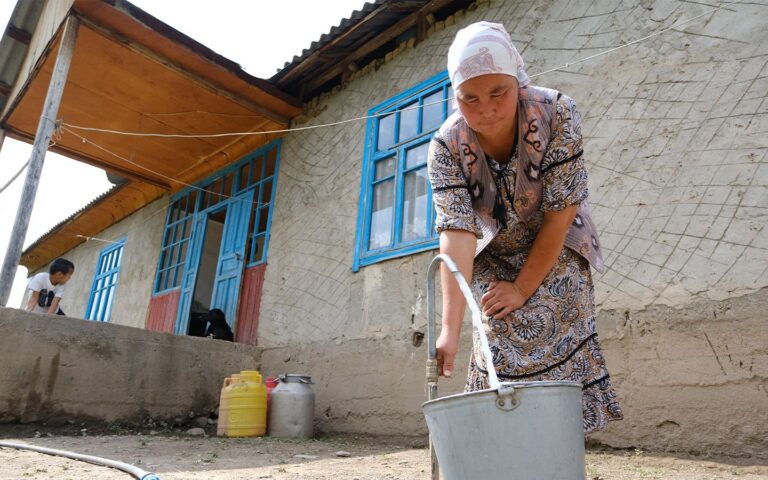
A critical situation has developed in irrigation — 56 pump stations across the country are not operational, leaving more than 12,000 hectares of arable land without water. This is alarming, considering about 60% of the country’s farmland depends on pump irrigation. The president stressed the urgent need to restore pump stations, accelerate the development of new irrigated lands, and implement energy-saving and drip irrigation systems. Soil degradation due to erosion, salinization, and abandoned plots is also increasing.
Seeds and livestock: import instead of domestic production
Farmers continue to rely heavily on imported seeds, plants, and breeding livestock. Of 128 specialized seed farms, 14 are completely non-functional, many do not cooperate with scientific institutions, and most have outdated material and technical bases. In 2024, over 51,000 tons of seeds worth 111 million somonis were imported. The livestock breeding sector faces similar issues: out of 80 breeding farms, 19 do not engage in breeding, and the rest cannot meet the country’s needs.
Beekeeping: potential not realized
In 2024, honey production reached only 4,800 tons, just 4% more than the previous year. Honey exports amounted to a mere 2.3 tons, which is disproportionate to the sector’s potential. Meanwhile, the number of bee colonies grew by only 5.6%. The president called for intensified efforts to make beekeeping a full-fledged economic sector that creates jobs and income.
Loans go to consumption, not to fields
From January to April 2025, the volume of loans increased by 37% to 9.1 billion somonis, but only 14% was directed to agriculture. Nearly half of the loans were used for consumption. In Khatlon province, only 27 million somonis of investments were attracted during this period, with no direct investments recorded at all. The president demanded expansion of direct investment attraction and ensuring farmers’ access to concessional long-term loans.
Logistics and export: missed opportunities in Khatlon
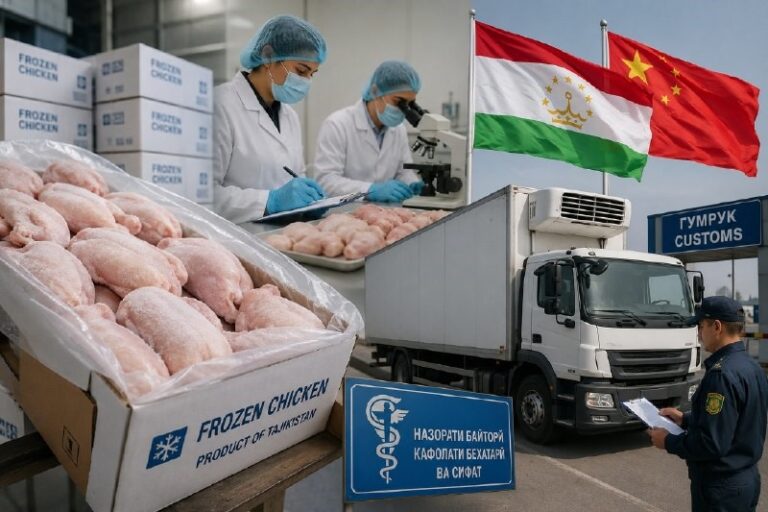
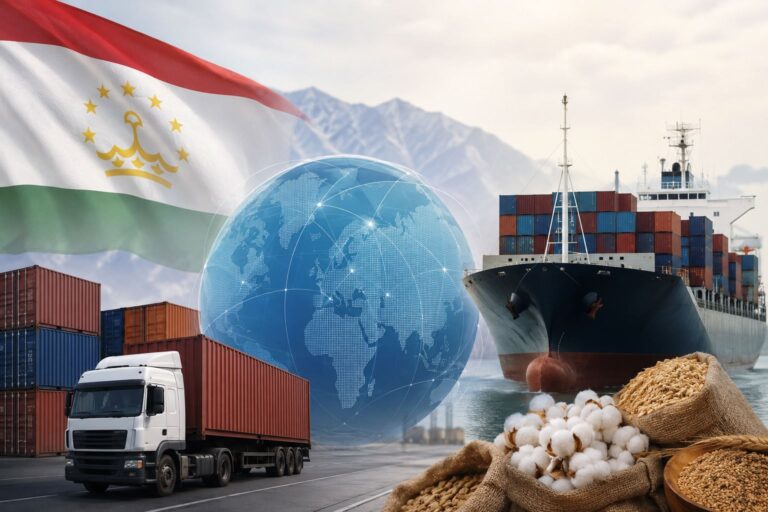
Khatlon region has significant potential for growing and exporting early vegetables and fruits, but weak logistics, lack of modern storage facilities, and poor coordination hinder export development. Over the first four months of 2025, exports have grown by 15%, but onion exports have fallen by 36%. To address these problems, agrological centers are planned to be built in Danghara and Jaloliddin-Balkhi districts, and export working groups involving the Customs Service and the railway will be organized.
The president emphasized that systematic development of logistics and exports is a key element of economic diversification amid global challenges and market instability.