For modern Tajikistan, labor migration and remittances are a cornerstone of economic survival and household stability. The country ranks among the most remittance-dependent in the world, with 45% of its GDP in 2024 coming from money sent home by migrant workers.
Global context: migration and money
According to the UN, there were 284.5 million migrants in 2022, two-thirds of whom were labor migrants. In 2024, global remittances reached US$905 billion, with US$685 billion flowing to low- and middle-income countries — more than foreign aid and investment combined.
Remittances in Tajikistan: what they pay for
Remittances help Tajik households afford:
- Basic necessities (food, rent, clothing)
- Education and healthcare
- Debt repayment and home purchases
A World Bank study found up to 30% of household income comes from remittances, with 80% spent on food. During the 2008–2009 crisis, reduced remittances led to lower living standards and greater reliance on unsafe treatments and school dropouts.
Economic anchor amid trade deficit
Tajikistan’s export-import gap widened in 2024, with exports at US$1.95 billion and imports at US$7.9 billion. Remittances of $5.8 billion helped offset this, covering nearly 75% of import costs.
Russia as the main destination
Despite interest in migration diversification, Russia remains the top destination for Tajik workers:
- Over 1.23 million Tajiks were in Russia in 2024
- Only 2,000–2,300 headed to Europe or the U.S.
This is due to geographic and cultural proximity, historical ties, and easier migration processes. By contrast, Europe’s labor market is limited and competitive.
Why migration persists despite job growth at home
Between 2015–2024, 1.9 million jobs were created in Tajikistan — roughly matching population growth. Yet in 2024, only 74,000 were permanent; over 57% were informal.
Average monthly salaries (~US$200) are not enough to support large families. IOM surveys show that migrant men earn US$870–US$875/month abroad vs. ~US$200 at home; and migrant women earn US$595–US$679/month abroad vs. ~$150 at home.
Conclusion: the hands that hold the nation
- Remittances are vital for Tajikistan’s economy and social fabric.
- Russia remains the primary migration route, though diversification is underway.
Domestic jobs currently cannot compete in quality or income.
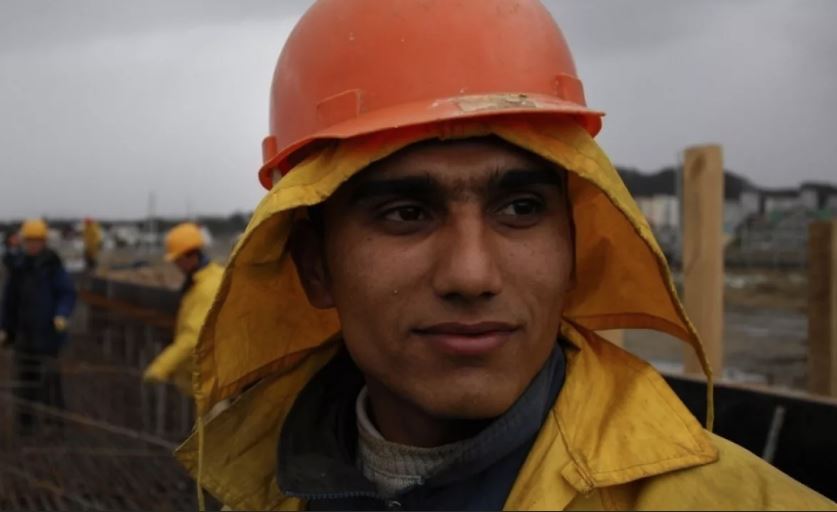
Our migrants are more than workers abroad — they are the unsung pillars of the country’s wellbeing. Behind the statistics are real hands holding up families and the economy alike.