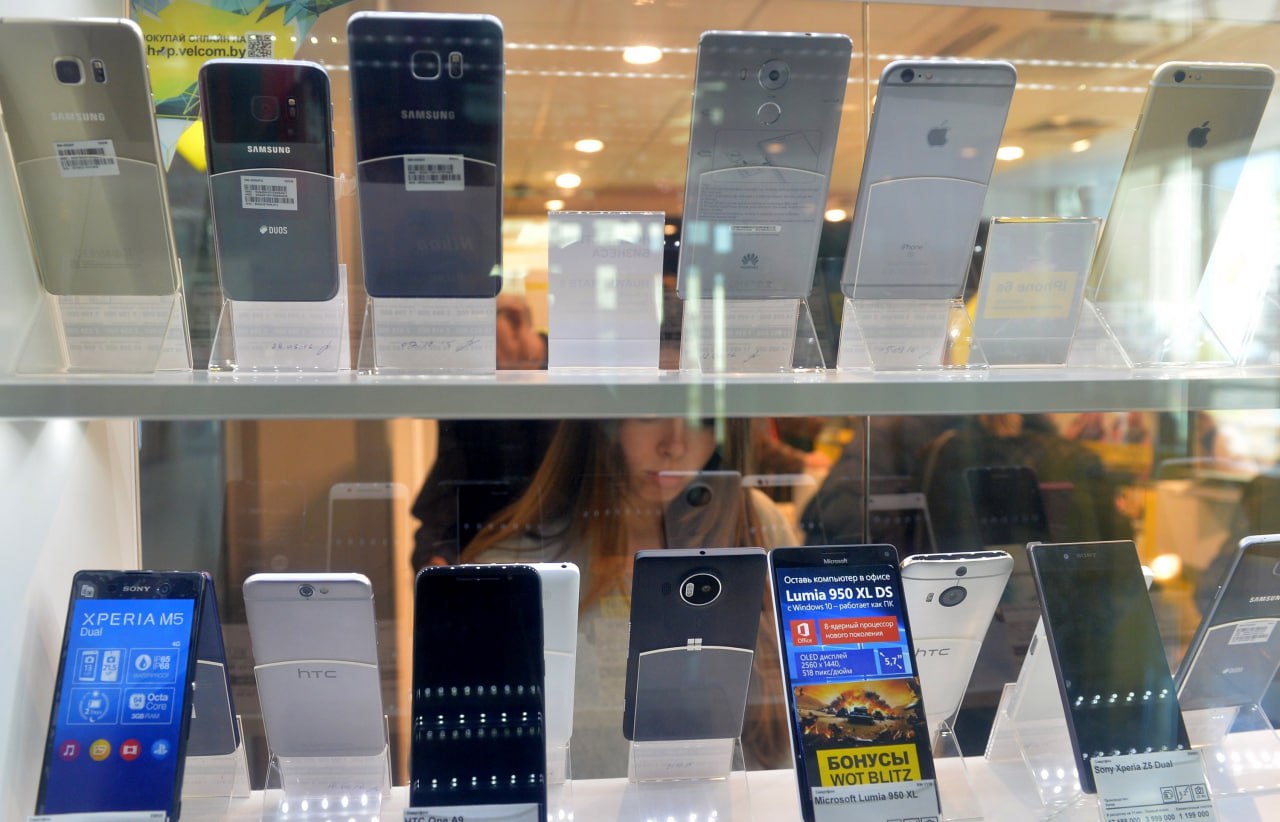
From July 1, 2025, all imports of mobile phones and smartphones into Tajikistan will be subject to a 20% customs duty, a change that analysts say could significantly impact both the market and consumer behavior.
The decision is outlined in government’s decree No. 346, dated June 10, 2025, and marks a shift from the previous exemption, under which phones could be imported without any customs charges.
What’s changing?
The new import duty applies to mobile devices classified under the TN VED codes 8517130000 (basic mobile phones) and 8517140000 (smartphones). This means that any phone brought into the country will now incur a 20% charge based on its customs valuation.
For importers, this translates to an immediate increase of one-fifth in the cost of each device at the border. That cost, experts say, will inevitably be passed on to consumers.
Price surge likely
Economists estimate that retail prices could rise by 15% to 25%, depending on the model. The increase is expected to drive many consumers to seek cheaper or second-hand alternatives, especially in a market where smartphone demand remains strong but price sensitivity is high.
So far, the government has not provided an official explanation for the new policy and has not commented publicly on the decree. However, independent analysts suggest that the primary motive is likely to be fiscal — to boost state revenues by tapping into a consistently high-demand import category.
A call to buy before July
Experts recommend that residents planning to purchase a new phone do so before July 1, as the prices of many models are likely to rise sharply afterward.
Background: IMEI registration and customs
This move follows earlier steps by the Tajik government to regulate the mobile phone market more tightly. In February 2023, the country introduced mandatory IMEI registration — a unique identifier for mobile phones — into its national database.
Under this system:
- Phones used with local SIM cards were automatically registered during a three-month grace period.
- Since May 2023, importers must officially declare and clear all phones through customs, after which IMEI codes are automatically entered into the national registry.
- Privately imported phones for personal use or as gifts must be declared on a T-6 customs form, and their IMEIs are also added to the system.
While IMEI registration itself remains free, customs clearance is mandatory for importers, who ultimately pass the cost on to end users via higher retail prices.
Conclusion
As Tajikistan moves to tighten fiscal control over tech imports, both sellers and buyers are bracing for price hikes. Without an official statement from the government, uncertainty remains — but the financial impact is already becoming clear.