Tajikistan’s official statistics paint an impressive picture of industrial growth. But behind the glowing numbers lies a troubling reality: the country's economy remains overwhelmingly dependent on raw material extraction, while processing industries lag far behind.
Extraction drives growth, but at what cost?
In a recent address to regional administrators, President Emomali Rahmon acknowledged that the impressive 25.2% increase in industrial output over the first four months of the year was driven almost entirely by the extractive sector, which nearly doubled in size. In contrast, the manufacturing sector grew by just 3.5%.
One of the main reasons for this sluggish manufacturing growth, according to Rahmon, is a steep decline in textile production.
Over the reporting period, Tajikistan produced only 10,800 tons of cotton fiber and 1.3 million square meters of cotton fabrics — a fraction of what’s needed to bolster the domestic value chain.
“This situation highlights the country’s continued reliance on raw material extraction,” Rahmon said. “It exposes weak links in the value-added production chain.”
New factories vs. silent shutdowns
While 121 new industrial enterprises were launched nationwide between January and April, the president pointed out that many towns and districts in Khatlon and Sughd provinces saw no new factories at all — something he called “a sign of inaction by local officials.”
Making matters worse, 159 enterprises ceased operations during the same period, effectively negating the impact of the new openings.
Among the warning signs Rahmon highlighted was the lack of school uniform production across most regions — a gap he said could threaten social stability ahead of the school year.
He urged the Ministry of Industry and New Technologies, along with local authorities, to:
- Develop new textile manufacturing facilities,
- Expand production of high value-added goods,
- Attract both domestic and foreign investment,
- Introduce modern technologies,
- And act on previously issued directives to boost local processing and reduce import dependency.
Over 80% of exports still raw materials
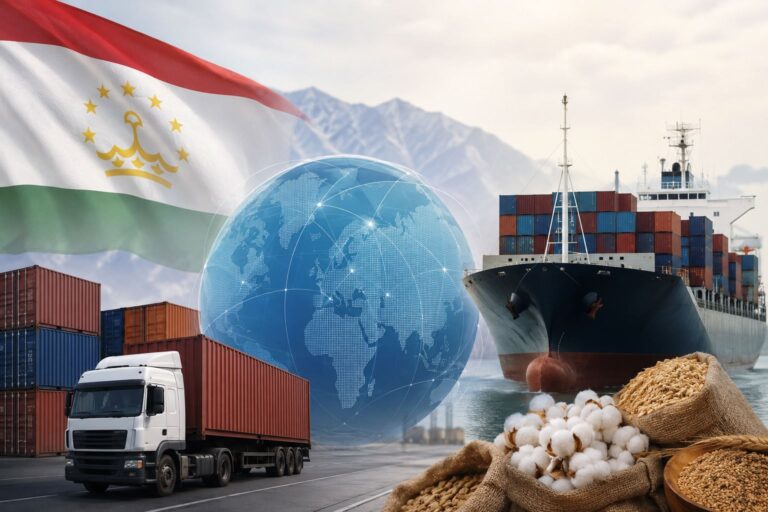
According to the Agency for Statistics under the President of Tajikistan, over 80% of the country’s exports in the first four months of the year consisted of unprocessed materials such as:
- Non-precious metals (primarily aluminum),
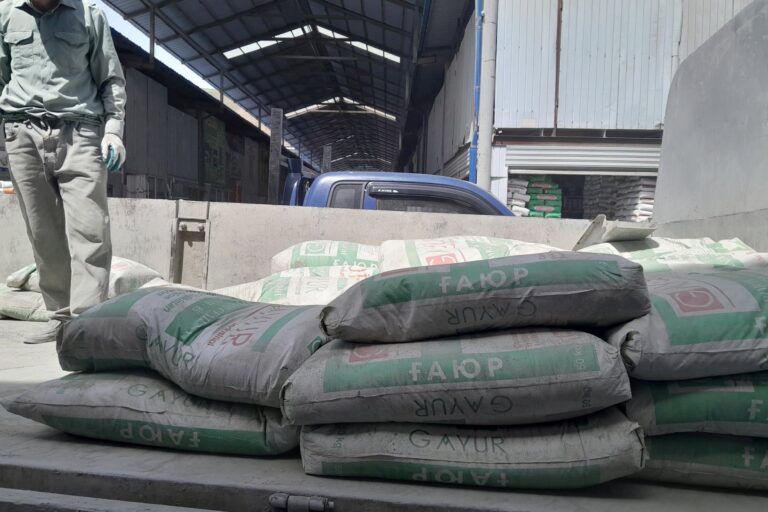
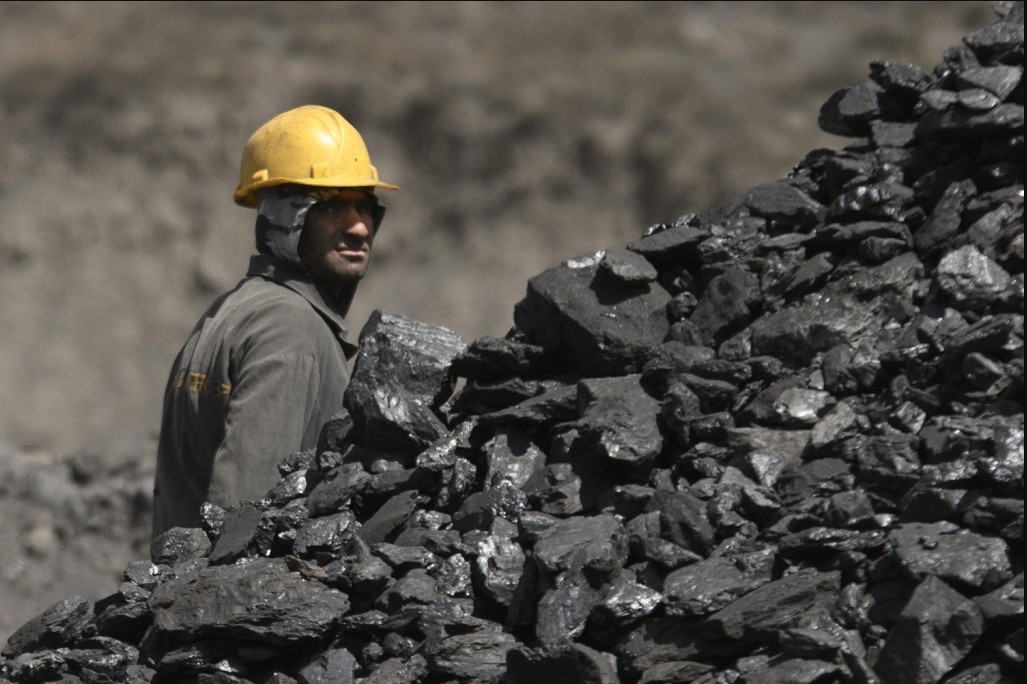
- Mineral products (ores, cement, coal, electricity),
- Cotton fiber.
Why raw material dependency is risky
Economists warn that an industrial model based largely on raw material exports poses serious risks to sustainable development. They cite several critical drawbacks:
1. Economic vulnerability — Heavy reliance on global commodity markets means that price drops can quickly devastate national revenues. This volatility hinders long-term planning and investment in other sectors.
2. Stalled manufacturing growth — Exporting raw materials instead of finished goods deprives the country of profits from value-added production. It also stifles technological advancement and reduces international competitiveness.
3. Neglect of human capital — Resource-based industries require fewer skilled workers. This reduces incentives to invest in education, science, and workforce development, weakening the country’s intellectual and innovation base.
4. Environmental damage — Mining and resource extraction often lead to serious ecological harm — from water and soil pollution to depletion of natural resources — with long-term consequences for public health and quality of life.
A call for economic diversification
Experts strongly advocate for a transition from a raw-material-driven economy to a diversified one centered on manufacturing, technology, and services. The earlier this shift occurs, the more resilient and inclusive Tajikistan’s economy will become.
Manufacturing, they note, not only generates jobs but also spurs innovation and enhances export potential. Meanwhile, investing in education and science strengthens the country’s human capital — a critical ingredient for long-term growth.
Conclusion
Selling raw materials may offer fast profits, but true, stable growth comes from processing those materials at home. Economists agree: Tajikistan must prioritize development of its manufacturing sector, technological capacity, and service industries to build a future-proof economy that’s not at the mercy of global commodity swings.