Widespread violations in Tajikistan’s electricity sector have led to thousands of people being held accountable and the initiation of numerous criminal cases, following extensive prosecutorial inspections.
According to Deputy Prosecutor-General Sarvar Azimzoda, 3,500 individuals — including both consumers and energy sector employees — have faced administrative and disciplinary action in cities and districts subordinate to the center (RRP).
Azimzoda has shared the findings during a working group meeting held at the national energy utility, Barqi Tojik, the Ministry of Energy and Water Resources (MoEWR) reported on June 19.
Over the first five months of this year alone, 520 violations of electricity laws have been detected in districts subordinate to the center.
These inspections reportedly led to the initiation of 25 criminal cases, 250 administrative proceedings, and the recovery of over 13 million somonis in unpaid electricity bills.
Across the country, authorities have instituted 130 criminal proceedings involving illegal electricity use and misappropriation of energy-related assets. The total damages exceeding 39 million somonis have been reimbursed to the state budget. Additionally, more than 200 million somonis in outstanding payments have been collected.
Focus on loss prevention and legal reforms
The working session also addressed the efficient use of electricity, the prevention of technical and commercial losses, and the need for public education campaigns to reduce future violations.
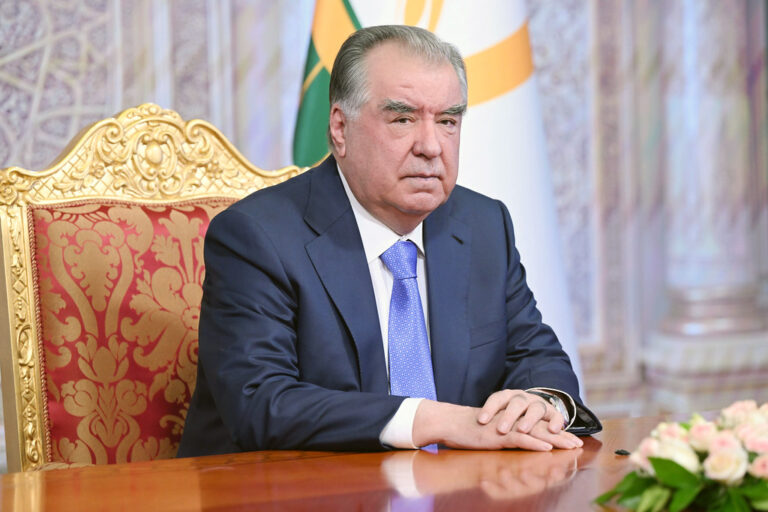
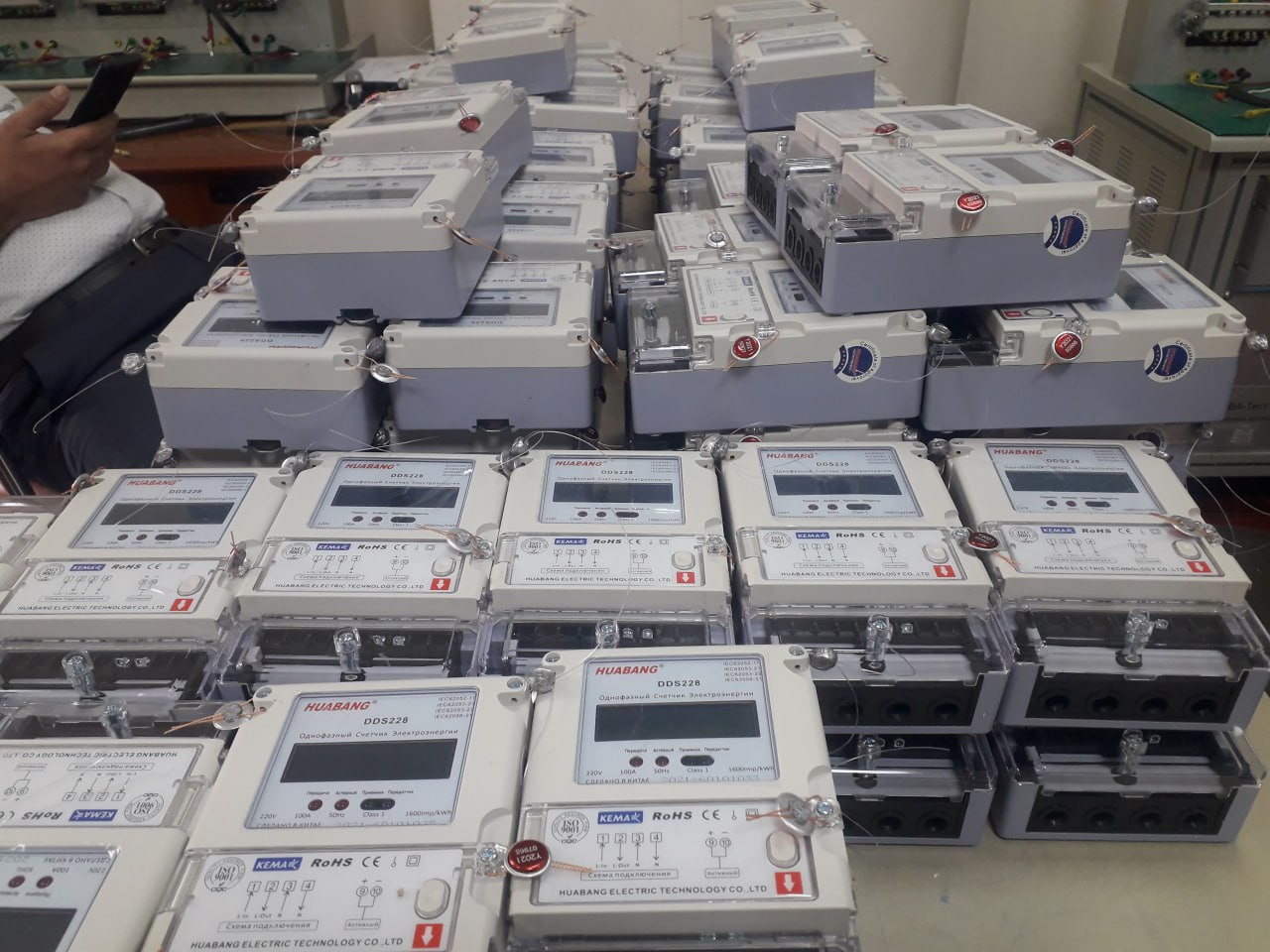
Deputy Prime Minister Usmonali Usmonzoda reminded the meeting participants that on April 15, 2025, President Emomali Rahmon signed amendments to both the Administrative Offenses Code and the Criminal Code. The reforms aim to crack down on tampering with electricity meters and other breaches of power usage regulations.
Officials emphasized the importance of sustained oversight and enforcement as Tajikistan works to stabilize its energy infrastructure and reduce misuse within the sector.
Under Tajikistan’s Criminal Code, those found guilty of violating electricity usage rules or evading payment may now face fines ranging from 27,000 to 90,000 somonis—or imprisonment for a term of 3 to 10 years
Additionally, the Administrative Offenses Code stipulates fines from 1,500 to 22,500 somonis for citizens, officials, and business owners who misuse electricity or heating.