As of July 1, Tajikistan has recorded 41 cases of anthrax this year, according to Navrouz Jafarov, Deputy Head of the State Sanitary and Epidemiological Surveillance Service under the Ministry of Health. The outbreaks have affected nearly every region except the Gorno-Badakhshan Autonomous Region (GBAO) and Rasht district (excluding the city of Roghun), Jafarov told Asia-Plus in an interview.
Anthrax: a seasonal threat in the summer months
Anthrax cases in Tajikistan traditionally spike during the summer, especially when the grass dries up. Livestock grazing on dry grass often ingest it along with soil particles, which may contain anthrax spores. These animals can then transmit the infection to humans who handle their hides, wool, or raw meat, Jafarov explained.
The danger lies in the longevity of the spores — they can remain viable in the soil for up to 80 years. Identifying exact infection hotspots is challenging because livestock frequently moves from place to place.
Another major concern, according to Jafarov, is the negligence of basic veterinary protocols. Livestock inspections before slaughter are mandatory and must be conducted regularly, especially before animals are processed for meat. Failure to observe these measures increases the risk of disease transmission.
He emphasized that all types of livestock are susceptible to anthrax — cattle, sheep, and goats alike. Humans typically become infected through contact with contaminated meat or other animal products.
Proper disposal and treatment are key
Infected animals must be disposed of in strict accordance with sanitary regulations. Simply burying the carcass isn’t enough — rodents or other animals can unearth contaminated remains, reintroducing the bacteria to the surface, Jafarov warned.
The good news, he added, is that anthrax is treatable. “There have been no fatalities from the disease in Tajikistan over the past two years,” he noted.
Health authorities, including the Committee on Food Safety, are actively monitoring the situation. Jafarov stressed the importance of regular animal inspections and annual vaccinations as the most effective preventive measures.
Anthrax in numbers:
- 2023: 80 cases
- 2024: 102 cases
- 2025 (as of July 1): 41 cases
What is anthrax?
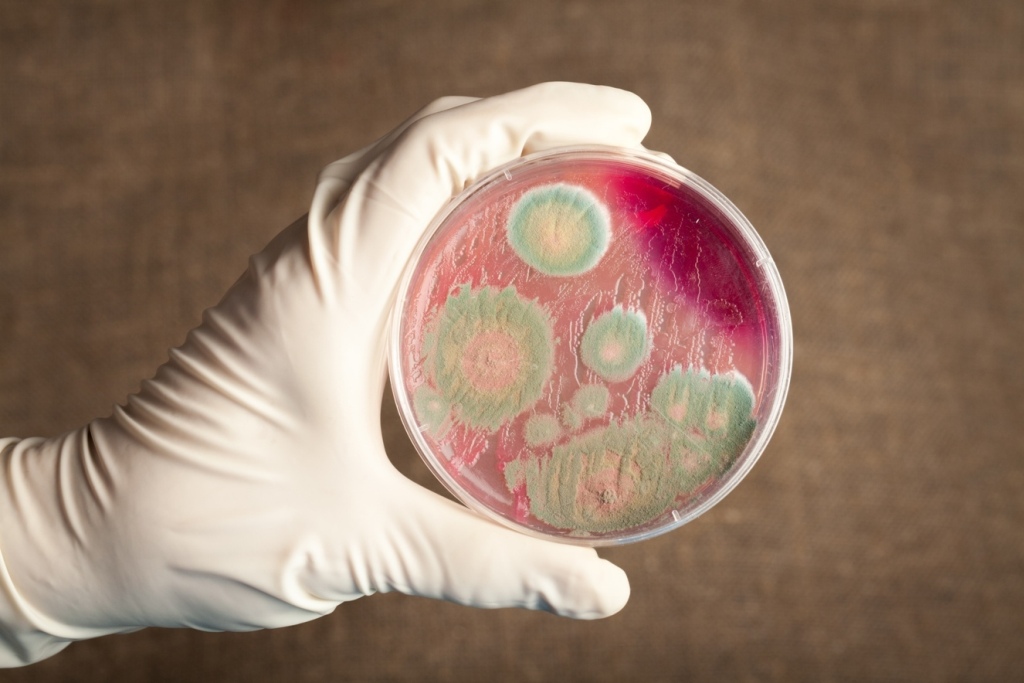
Anthrax is a severe infectious disease caused by the Bacillus anthracis bacterium. These bacteria naturally exist in soil and primarily affect livestock and wild animals. In humans, anthrax can manifest in three forms: cutaneous, gastrointestinal, and pulmonary. It is not spread from person to person.
Humans typically contract the disease through direct contact with infected animals or their waste, or by consuming undercooked meat. Even meat boiled at 100°C can pose risks; only thoroughly cooked meat — with no pink center — is considered safe.
How to stay safe
Authorities recommend purchasing meat only from reputable sources — shops and markets where veterinary inspections are in place and sanitary standards are enforced. This is critical to preventing the spread of anthrax through contaminated food.