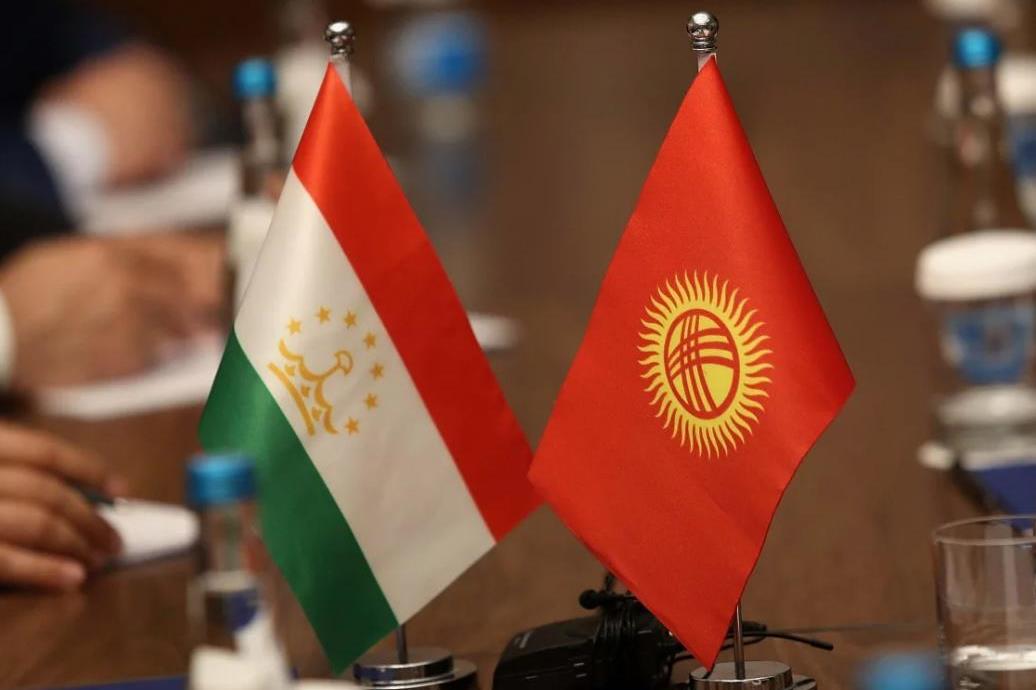
A two-way trade between Tajikistan and Kyrgyzstan experienced a remarkable surge over the first five months of 2025, reaching US$6.35 million—more than 15 times higher than in the same period last year.
According to data of Tajikistan’s Customs Service, this consisted of Tajikistan’s exports to Kyrgyzstan estimated at US$1.59 million and Tajikistan’s imports from Kyrgyzstan worth US$4.76 million.
In stark contrast, the bilateral trade between the two countries over the same period last year valued at just US$405,100.
Experts attribute this sharp increase to the gradual normalization of political relations and preparations for a state visit of Kyrgyz President Sadyr Japarov to Dushanbe, scheduled for July 8–9 at the invitation of Tajik President Emomali Rahmon.
Over the past decade, the bilateral trade between the two Central Asian neighbors has seen both growth and steep declines. The highest levels were recorded in 2018–2019, when the bilateral trade between them approached US$60 million—over US$48 million in imports from Kyrgyzstan and more than $14 million in Tajikistan’s exports.
However, a downward trend began in 2020. The bilateral trade volume fell to US$26.2 million in 2021, dropped further to US$15 million in 2022, and declined again to just US$11.4 million in 2023. By 2024, the two-way trade between Tajikistan and Kyrgyzstan remained near its lowest point, totaling approximately US$11.6 million.
In 2025, the outlook has improved significantly. Analysts link the uptick in economic activity to progress on key diplomatic fronts, including the resolution of long-standing border demarcation issues and the reopening of two border crossing points. This has been complemented by a renewed political dialogue and the signing of several intergovernmental agreements.
Notably, on June 30, during a visit by Tajikistan’s Foreign Minister Sirojiddin Muhriddin to Cholpon-Ata, both sides reaffirmed their commitment to expanding economic cooperation and boosting the bilateral trade to US$500 million. Since the beginning of the year, 15 agreements have already been approved, covering border arrangements as well as initiatives aimed at fostering political and humanitarian ties.