



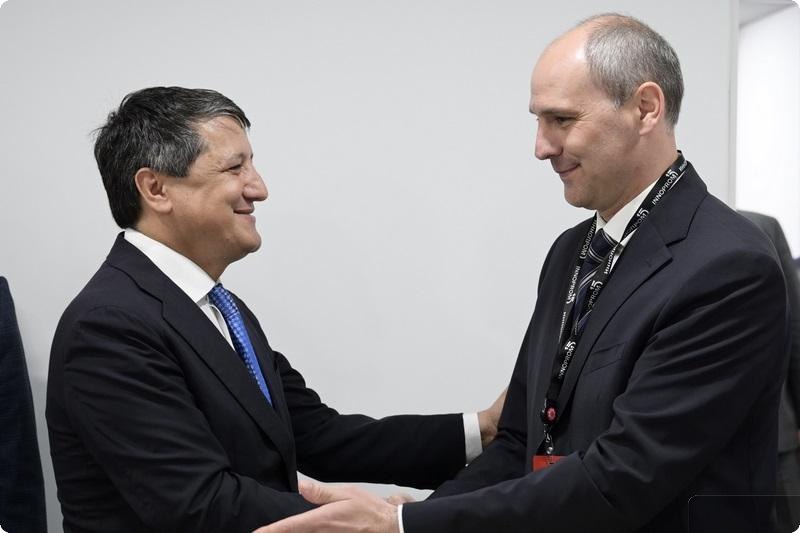
Tajikistan and Russia's Sverdlovsk oblast have agreed to implement joint industrial initiatives, including the modernization of energy and hydrotechnical infrastructure and the creation of antimony processing facilities. The agreements were reached during a working meeting held on the sidelines of the 15th International Industrial Trade Fair INNOPROM, taking place in Yekaterinburg from July 7 to 10.
Strategic energy cooperation
At the center of the talks was the modernization of Tajikistan’s aging energy infrastructure. Enterprises from Sverdlovsk region are set to supply state-of-the-art equipment for energy and hydrotechnical facilities, particularly in the Sughd province, where climate change and water-related risks are intensifying. The plan includes not only equipment deliveries but also the development of service and maintenance infrastructure.
Denis Pasler, acting Governor of Sverdlovsk Oblast, emphasized that Russian companies are already active in the Tajik market, supplying high-tech equipment and developing supporting infrastructure. He confirmed the region’s commitment to fulfilling all previously assumed obligations.
Antimony processing initiative
Another focal point of the meeting was the establishment of a joint venture for processing antimony, a rare and strategically important metal. Both parties highlighted the significance of this project, positioning it as a potential industrial growth driver with promising export prospects. The joint production is expected to enhance industrial integration and deliver competitive products to international markets.
Boosting agricultural and light industry trade
The sides also discussed expanding Tajikistan’s exports of light industry goods, vegetables, and fruits to Sverdlovsk region. The initiative aims to provide the Urals with fresh agricultural products while supporting Tajik producers and fostering deeper humanitarian and economic ties.
Longstanding bilateral partnership
Since 2004, Tajikistan and Russia’s Sverdlovsk region have maintained a formal agreement on trade, economic, scientific, and cultural cooperation. This includes a dedicated action plan developed with Tajikistan’s Ministry of Industry and New Technologies, covering strategic areas of collaboration.
Sherali Kabir, Tajikistan’s Minister of Industry and New Technologies, praised the productivity of the meeting and commended the quality and reliability of Sverdlovsk’s industrial enterprises. He expressed confidence in the future of bilateral cooperation.
“Sverdlovsk region and the Republic of Tajikistan share longstanding business and friendly ties. All commitments made by our region will be fulfilled,” — Denis Pasler, Acting Governor of Sverdlovsk Oblast.
The outcomes of this meeting underscore the growing economic synergy between Russia’s industrial heartland and Central Asia’s emerging markets.






