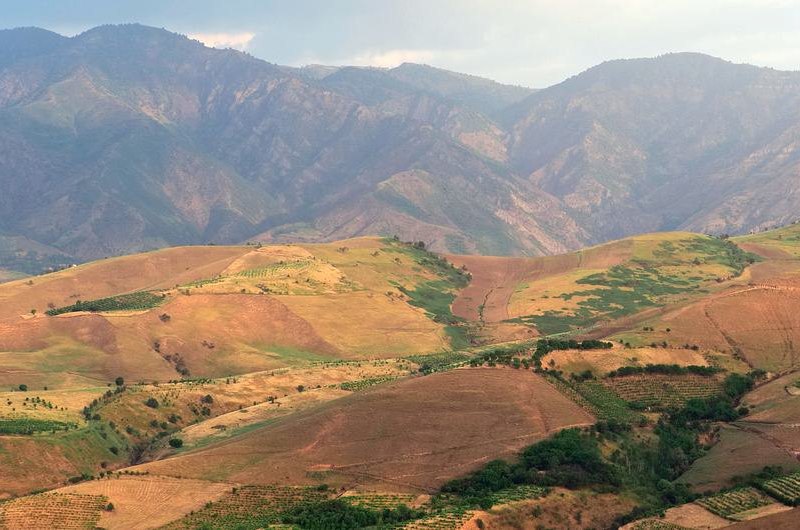
The Almosi Valley in Tajikistan has made history by becoming the first site in the Commonwealth of Independent States (CIS) to be officially recognized as a Globally Important Agricultural Heritage System (GIAHS). This prestigious status was granted by the Food and Agriculture Organization of the United Nations (FAO) during a session of its Scientific Advisory Group on July 8, as confirmed by FAO’s Office in Tajikistan.
This landmark decision places Tajikistan among a select group of countries whose traditional agricultural systems are acknowledged for their global significance. GIAHS sites are agro-ecosystems where local communities live in deep connection with their land, characterized by rich agrobiodiversity, traditional knowledge, valuable cultural practices, and distinctive landscapes.
Prior to this recognition, only 12 sites across five European and Central Asian countries—Andorra, Austria, Italy, Spain, and Portugal—had been included in the GIAHS network. The inclusion of the Almosi Valley marks a significant expansion of the program into Central Asia, serving as a bridge between the region’s rich natural and cultural heritage and the international community.
President Emomali Rahmon of Tajikistan has previously expressed gratitude to the FAO for including the Hisor sheep breed and the pink Taifi grape variety in the global agricultural heritage list—both vital elements of the country’s agricultural identity.
A model of resilience, tradition, and innovation
Nestled in the mountainous Hisor District, the Almosi Valley is home to a unique agricultural system combining transhumant sheep herding with the cultivation of local crops. The region is known for producing traditional varieties of wheat, barley, vegetables, and notably the pink Taifi grape, used to make syrup, raisins, juice, and wine. Hisor sheep, a hardy breed adapted to harsh conditions, are also raised here.
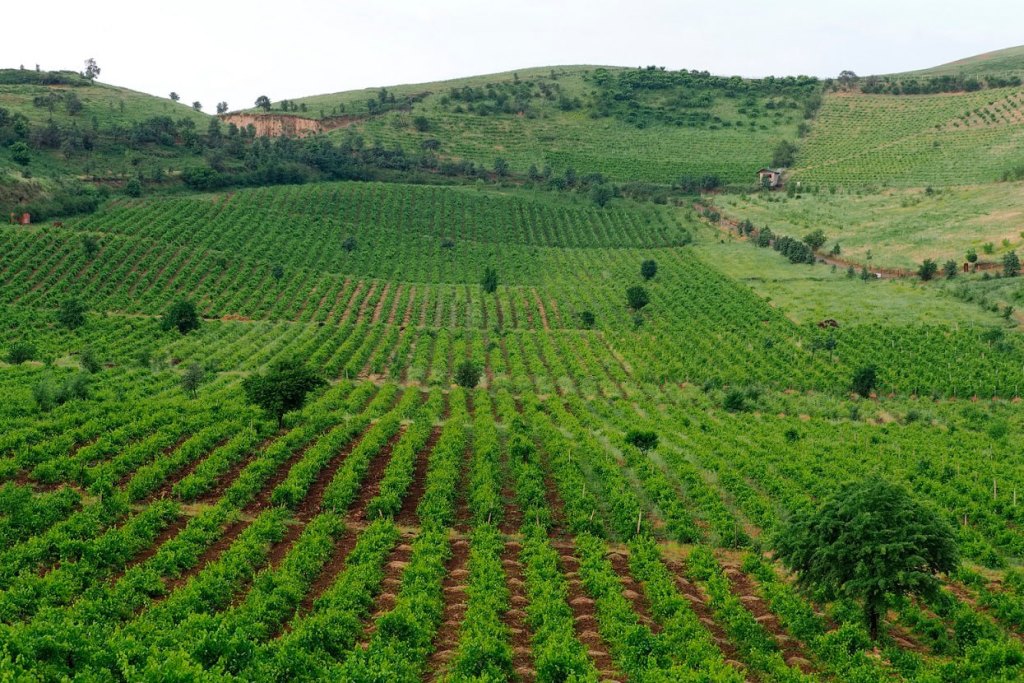
Farming practices in the valley rely on centuries-old traditional knowledge, including contour planting, the use of organic fertilizers, ancient irrigation techniques, and environmental observation. These methods enable efficient resource management, climate adaptation, and biodiversity conservation. Local communities organize agricultural activities through neighborhood councils, family farms, cooperatives, and collective farms. This system not only supports knowledge transfer and shared resource use but also reinforces the region’s cultural identity.
With the recent additions from Tajikistan, South Korea, and Portugal, the GIAHS network now encompasses 99 systems across 29 countries. Almosi Valley’s inclusion represents both international recognition and a vital step toward promoting sustainable agriculture and preserving traditional knowledge in Central Asia.