



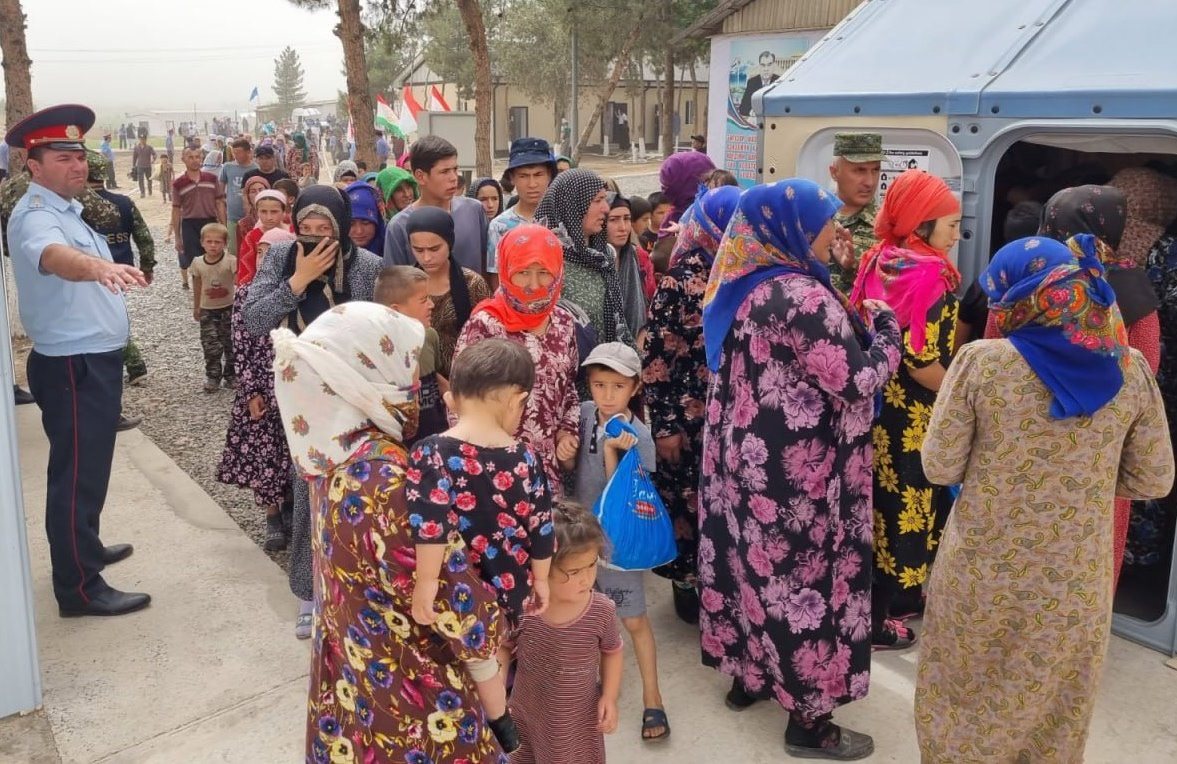
The government of Tajikistan has issued a sweeping order giving Afghan refugees just 15 days to leave the country, igniting alarm among thousands of asylum seekers, many of whom possess legal residency documents.
The Khaama Press News Agency reported yesterday that Tajik authorities have launched an aggressive campaign targeting Afghan migrants for arrest and deportation—regardless of their documented legal status. Refugees report being detained without prior notice, often at work, and sent back to Taliban-controlled Afghanistan without due process.
More than 13,000 Afghan nationals currently reside in Tajikistan. Many are awaiting immigration or resettlement decisions from third countries such as Canada. The forced deportations risk disrupting these applications and placing vulnerable individuals in immediate danger.
Among those at risk are former Afghan civil servants, military officers, and others associated with the previous Afghan republic. They fled to Tajikistan after the Taliban seized control in August 2021, fearing persecution. Now, as deportations accelerate, those fears are resurging.
Sources report that dozens of Afghan men are being detained daily, particularly in Vahdat township and Roudaki district. Arrests are often conducted without informing family members, creating further distress among refugee communities.
This move by Tajikistan mirrors similar crackdowns in neighboring countries. Iran and Pakistan have both escalated their deportation efforts in recent months, forcibly returning thousands of Afghans under increasingly severe conditions.
Human rights organizations have condemned the actions, warning that deportees face serious risks—including violence, torture, and extrajudicial killings—upon returning to Afghanistan. Former government employees, journalists, and activists remain especially targeted under Taliban rule.
Despite these warnings, Tajikistan has aligned itself with the region’s hardline stance, moving forward with mass expulsions that critics say violate international protections for refugees and asylum seekers.
With limited asylum options and tightening borders across Central and South Asia, Afghan refugees now face a perilous choice: stay and risk deportation, or return to a homeland where their safety is far from guaranteed.







