Firdavs Tolibzoda, Chairman of the National Bank of Tajikistan (NBT), has expressed skepticism over the World Bank’s recent report on remittance inflows to the country. The report claims that in 2024, remittances accounted for 45.3% of Tajikistan’s gross domestic product (GDP)—one of the highest ratios in the world.
Speaking to local media in Dushanbe on August 1, Tolibzoda questioned the methodology used by World Bank analysts and criticized the general use of the term “labor migrant” in interpreting these figures. “The report doesn’t specify that these are remittances from labor migrants. So using that term in this context is inaccurate,” he stated.
He noted that the structure of remittance inflows is more complex. “Some of the funds may come from students receiving money from their parents, or proceeds from the sale of dried fruits, among other sources,” Tolibzoda explained.
The NBT chief further emphasized that there are no detailed or itemized remittance statistics in the World Bank's report. He added that the central bank itself does not collect specific data on labor migrant remittances, citing the diverse and often untraceable channels used for money transfers.
Nevertheless, Tolibzoda acknowledged a continued increase in foreign currency inflows in recent years, which he said has contributed to the somoni’s strengthening.
According to NBT data, the somoni appreciated by 9.4% against the US dollar in the first half of 2025.
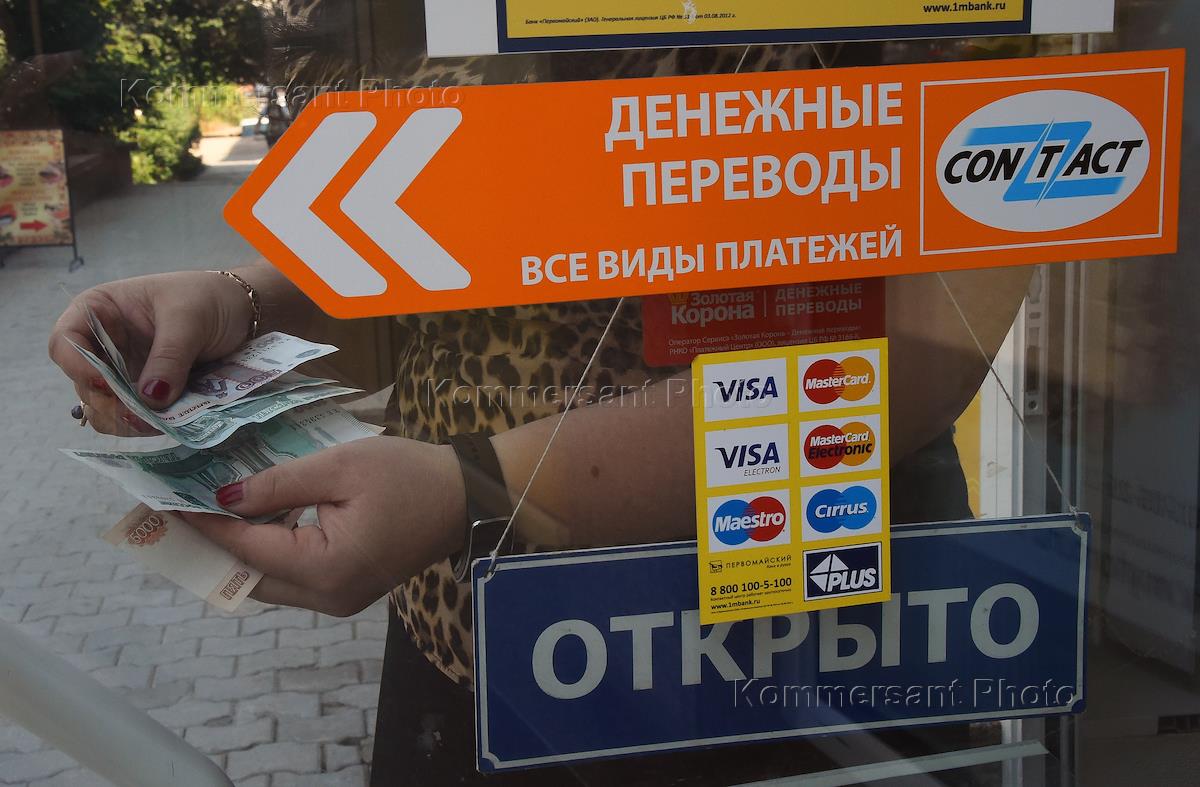
The World Bank, in its latest assessment, estimated that remittance inflows to Tajikistan reached $5.8 billion in 2024—a 27% increase from 2023. The report highlighted that Tajikistan remains the global leader in remittance-to-GDP ratio, far ahead of countries like Tonga (38.2%), Nicaragua (27.2%), and Lebanon (26.6%).
Over the past 17 years, the share of remittances in Tajikistan’s GDP has dropped below 30% only three times: in 2015, 2016, and 2020.
According to the International Organization for Migration (IOM), Russia remains the primary destination for Tajik migrants. Citing Russian Interior Ministry data, over 1.2 million Tajik nationals were residing in Russia as of August 2024—making them the second-largest migrant group after Uzbeks (about 1.7 million).
Notably, Tajik authorities have not published official migrant remittance data in over a decade.