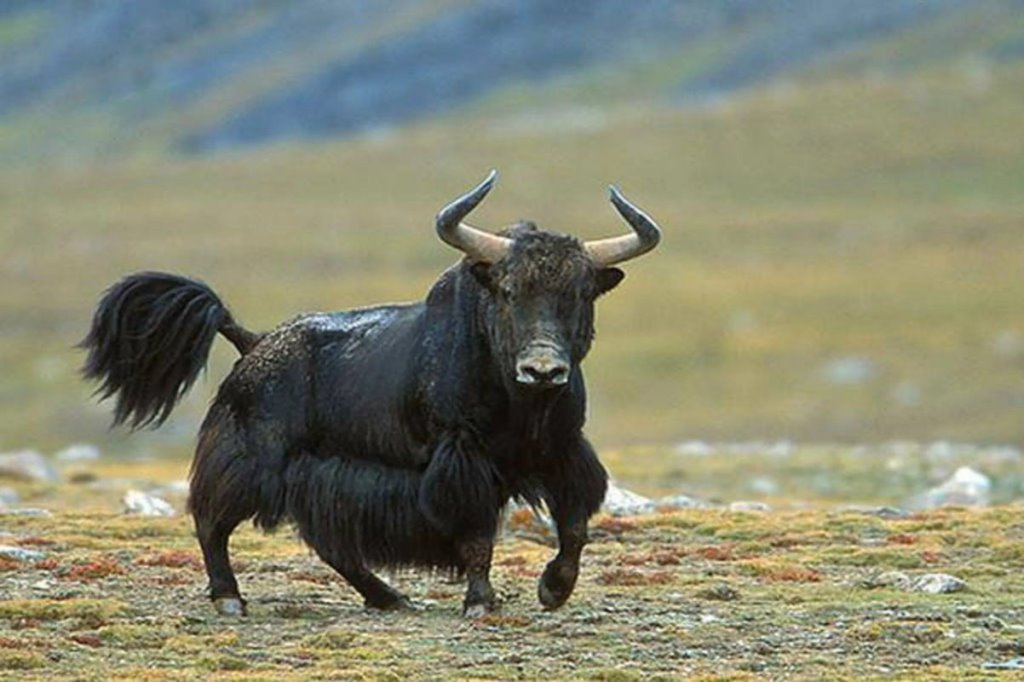
Tajikistan plans to import pedigree yaks from China and use Chinese territory as a transit route for additional yak imports from Mongolia, as part of a broader push to strengthen agricultural cooperation between the two countries.
These were the key outcomes of a meeting between Tajik Agriculture Minister Qurbon Hakimzoda and China’s Deputy Minister of Agriculture Zhang Zhili, held on the sidelines of the 10th Meeting of SCO Agriculture Ministers in Kunming.
According to Tajikistan’s Ministry of Agriculture, discussions focused on expanding bilateral ties in agriculture. Alongside the yak deal, the sides addressed phytosanitary controls, plant quarantine, and scientific exchanges between agricultural experts.
China also pledged to increase the number of scholarships for Tajik students studying at Chinese agricultural universities.
Boosting trade and technology exchange
The Chinese delegation expressed interest in importing Tajik-grown lemons, cherries, grapes, and dried mulberries. Talks also included opportunities to bring Chinese processed goods into the Tajik market.
Both parties emphasized the need to accelerate agriculture digitalization, promote organic farming, and establish joint soil analysis and quality control laboratories.
One of the main proposals discussed was the creation of a SCO Demonstration Center for Innovative Agricultural Technologies in Tajikistan—similar to the existing center in Yangling, China. Officials agreed such a center could serve as a vital platform for technology transfer and modernization in Tajik farming.
Expanding the “Central Asia – China” mechanism
The meeting also explored ways to strengthen cooperation under the “Central Asia – China” mechanism. Both sides called for more direct engagement between agriculture ministries, greater mutual trade in agricultural products, and joint efforts to introduce innovative approaches in policy and practice.
To coordinate these initiatives, the two countries will form a special working group under their existing bilateral subcommittee on agriculture. This group will develop and implement specific projects, with a focus on breeding, seed production, cotton cultivation, pest control, and the adoption of modern technologies in crop science and soil management.