Tajikistan and Iran have agreed to extend the investment repayment period for the Sangtuda-2 Hydroelectric Power Plant (HPP) by an additional 6 years and 4 months.
The amendments to the electricity purchase agreement between Barqi Tojik and the managing company Sangab were ratified by Tajikistan's lower house of parliament in early October.
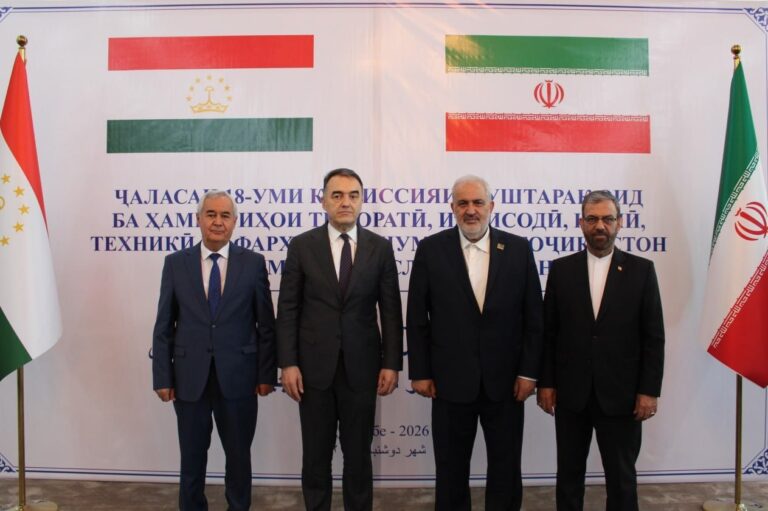
The updated agreement was signed on May 29 this year in Dushanbe, following high-level talks between Tajik and Iranian officials. Under the original agreement, Iran was to repay its investment in the construction of Sangtuda-2 HPP by August 2026, after which the station would be transferred to Tajikistan’s government ownership.
However, under the new terms, the repayment period for the costs of building the hydroelectric station has been extended until the end of 2032.
The construction of Sangtuda-2 HPP cost $256 million, of which $180 million came from the Iranian government, $36 million from the Iranian company Sangab, and $40 million from the Tajik government.
According to the Ministry of Energy and Water Resources of Tajikistan, from 2012 to the end of 2023, Barqi Tojik purchased 8.9 billion kilowatt-hours of electricity from Sangtuda-2 HPP, worth $451.5 million. However, the station only received $122.5 million (27.1% of the total amount), leaving Barqi Tojik with a debt of $329 million to the station. Under the new terms, this debt will be completely forgiven.
The agreement stipulates that, for the next 6 years and 4 months, Tajikistan will pay a certain amount to the Iranian side (the exact amount is undisclosed), after which the station will be transferred to the management of Barqi Tojik.
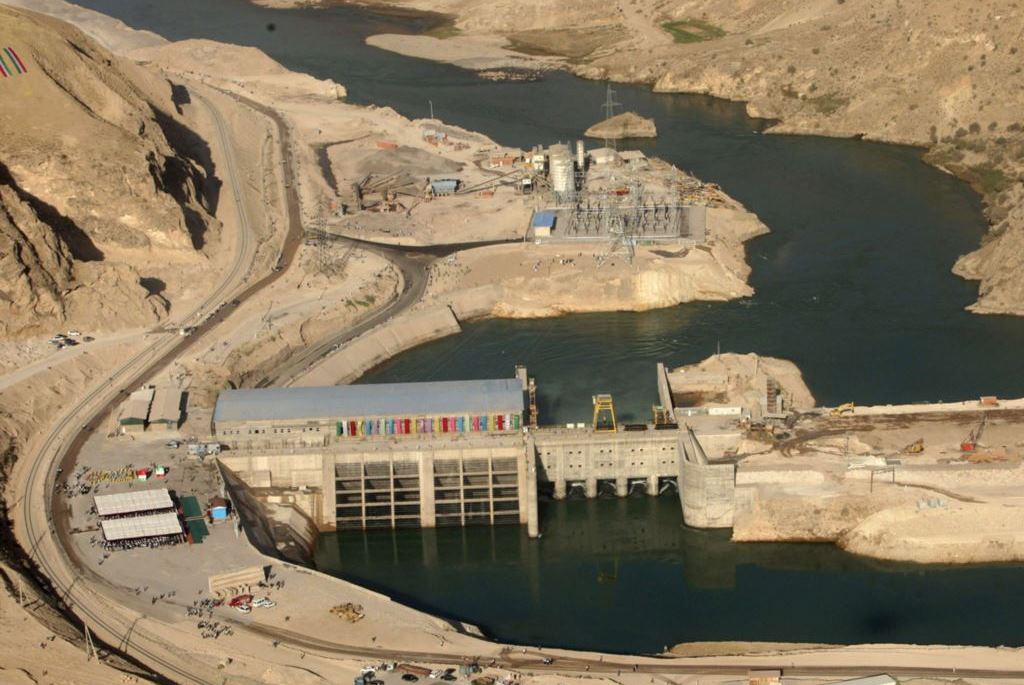
It is worth noting that construction of this plant commenced during the Soviet period in the 1980s, but halted in the beginning of the 1990s due to lack of financing. In 1995, Iran expressed interest in helping to finish the project, but an agreement was not signed until 2005. Construction of Sangtuda-2, a 220-megawatt plant on the Vakhsh River, officially commenced in February 2006. It is located in Danghara district of Khatlon province, some 120 kilometers southeast of Dushanbe.
The power plant has been built by Iranian company Sangab. The turnkey contractor was International Farab Co. The project was consulted by Mahab Ghods Engineering Company and the subcontractor was Omran Maroon Engineers Company.
Iran, which has put some 180 million U.S. dollars into the construction of the hydropower plant, was supposed to operate it for the next 12½ years and then transfer control to Tajikistan.
The first 110 MW unit of the plant was introduced into operation on September 5, 2011. Tajik and Iranian presidents attended a joint ceremony to unveil the Sangtuda-2 dam and power plant. Installation of the second 110 MW unit at the Sangtuda2 HPP was completed in May 2013.