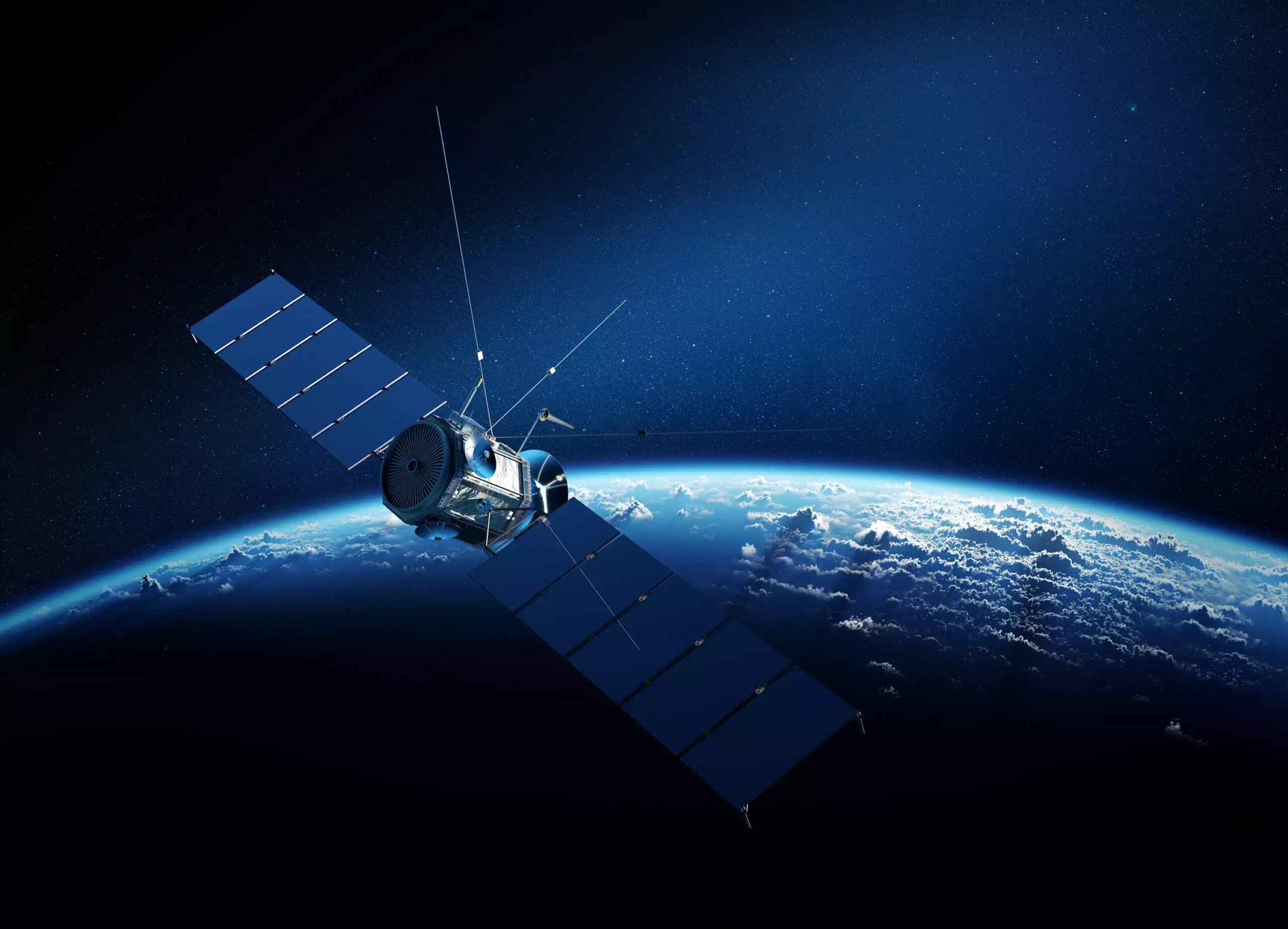
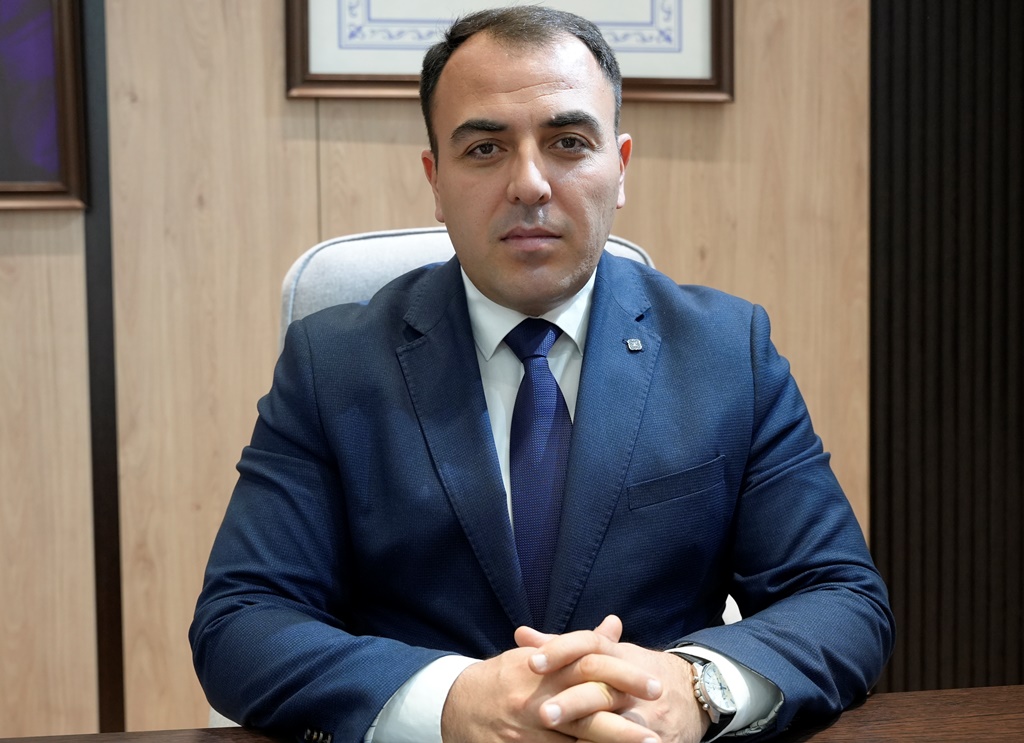
Asia-Plus spoke with the CEO of Tajiktelecom Bakhrovar Abdusattorzoda about the details of the agreement and how it will affect the quality, cost, and availability of the internet, particularly in remote areas of Tajikistan.
Internet availability will Improve, but it won’t affect the overall cost
Q: The official statement from the Communications Service mentions that the agreement will provide the country with access to a global satellite internet network. Could you share the details of this agreement?
A: This contract is primarily aimed at connecting remote mountainous and border regions of the country to satellite internet, where traditional infrastructure (fiber optic cables, broadband networks) is difficult to implement due to the mountainous terrain and low population density.
Thus, the launch of the high-quality Starlink network opens up new possibilities for regional digitalization.
This is one of the key tasks, not only under this agreement but also as part of the entire strategy of the Communications Service and Tajiktelecom.
Over time, next-generation satellite communication will provide equal access to online education, become a catalyst for small business development (e-commerce and POS payments), and help launch major enterprises, providing access to cloud services on par with central offices, even in remote areas.
Q: Does the contract include provisions for free internet connection for schools and hospitals? For example, in neighboring Kyrgyzstan, the possibility of free internet connection for schools in remote areas has been discussed for several years.
A: When we talk about connecting remote areas to high-speed internet, the focus is primarily on government and social institutions such as schools, hospitals, and rural administrations.
I would like to remind you that the years 2025–2030 have been declared the Years of Digital Economy and Innovation Development in Tajikistan.
Therefore, special attention is being paid to developing connectivity in remote areas to provide public online services, promote telemedicine, distance education, remote jobs, the implementation of digital agricultural technologies, supporting farmers and businesses, and stimulating startups and digital services beyond urban areas.

Q: Will the arrival of Starlink change the quality and cost of internet in the country?
A: Starlink satellite internet works through a network of low-orbit satellites, which reduces signal latency. Users in other countries connected to Starlink report speeds ranging from tens to hundreds of megabits per second, depending on conditions.
As for the cost — it will not directly affect the overall internet prices in the country.
It’s important to understand that satellite communication technologies, considering the equipment, are more expensive than traditional channels. However, thanks to the negotiations held, the cost of equipment and tariffs will be formed with consideration for market and regional realities.

Tajiktelecom will ensure quality and security
Q: Can mobile operators and internet providers directly purchase internet from Starlink to serve their customers in mountainous areas? Or will all agreements be made through the Communications Service or Tajiktelecom?
A: In many countries, global external operators such as Starlink work through a national partner — a state company or national telecom operator.
In our case, this is Tajiktelecom.
This model allows the government to control traffic, ensure cybersecurity, regulate tariffs, and enforce national legislation.
All commercial agreements with providers will be made through Tajiktelecom. This ensures control over service quality, pricing policy, bandwidth distribution, and national security matters.
Q: Are there any restrictions or requirements from regulators for Starlink's operations in Tajikistan?
A: All conditions for the provision of services and the functioning of the Starlink network in the country are outlined in the relevant sections of the agreement and will be confirmed by the legal and regulatory acts of the Republic of Tajikistan.

Q: When will ordinary citizens of Tajikistan be able to use Starlink services? What is needed for this? Where and how can the equipment be purchased?
A: Currently, Starlink Tajikistan is going through all the necessary registration procedures. Once this stage is completed, prices for the equipment, tariffs, and other details related to connection, payment, and technical aspects will be announced.