Tajikistan has emerged as one of the world’s most altruistic nations, ranking fourth globally in volunteerism, according to the 2025 World Happiness Report.
The report, produced by the Oxford Wellbeing Centre, Gallup, and the UN Sustainable Development Solutions Network, assessed life satisfaction, generosity, and social trust in 147 countries between 2022 and 2024 under the theme “Caring and Mutual Support.”
While Tajikistan placed 90th overall in global happiness rankings, it stood out in the category of volunteerism—achieving the fourth-highest position out of 140 countries. This result highlights the country’s enduring traditions of collective support and informal community assistance deeply rooted in Tajik society.
In other areas, Tajikistan showed moderate performance: 60th in helping strangers, 122nd in charitable donations, 48th in returning a wallet to a neighbor, 96th for returning a wallet to a stranger, and 41st in trust in police.
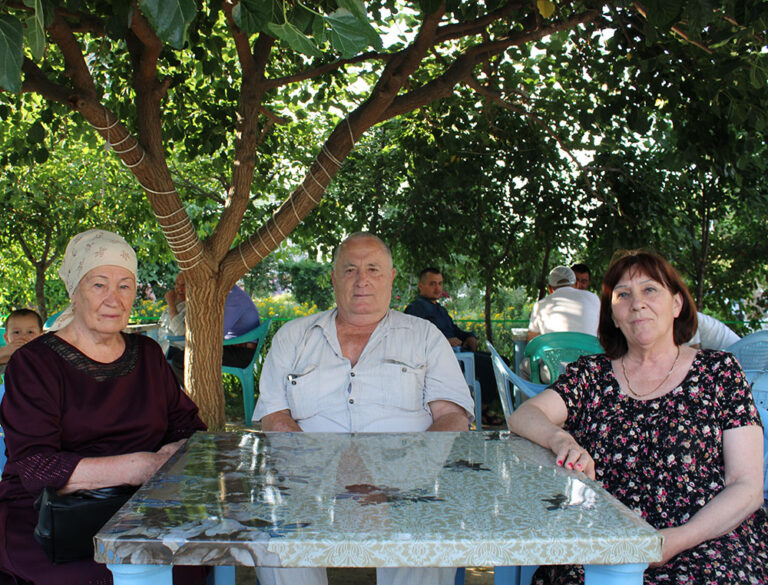
According to the report’s authors, Tajikistan’s high levels of helpfulness and social warmth stem from a societal structure where people more often assist others through informal channels—such as within families, among neighbors, and in local community groups known as mahallas—rather than through formal institutions.
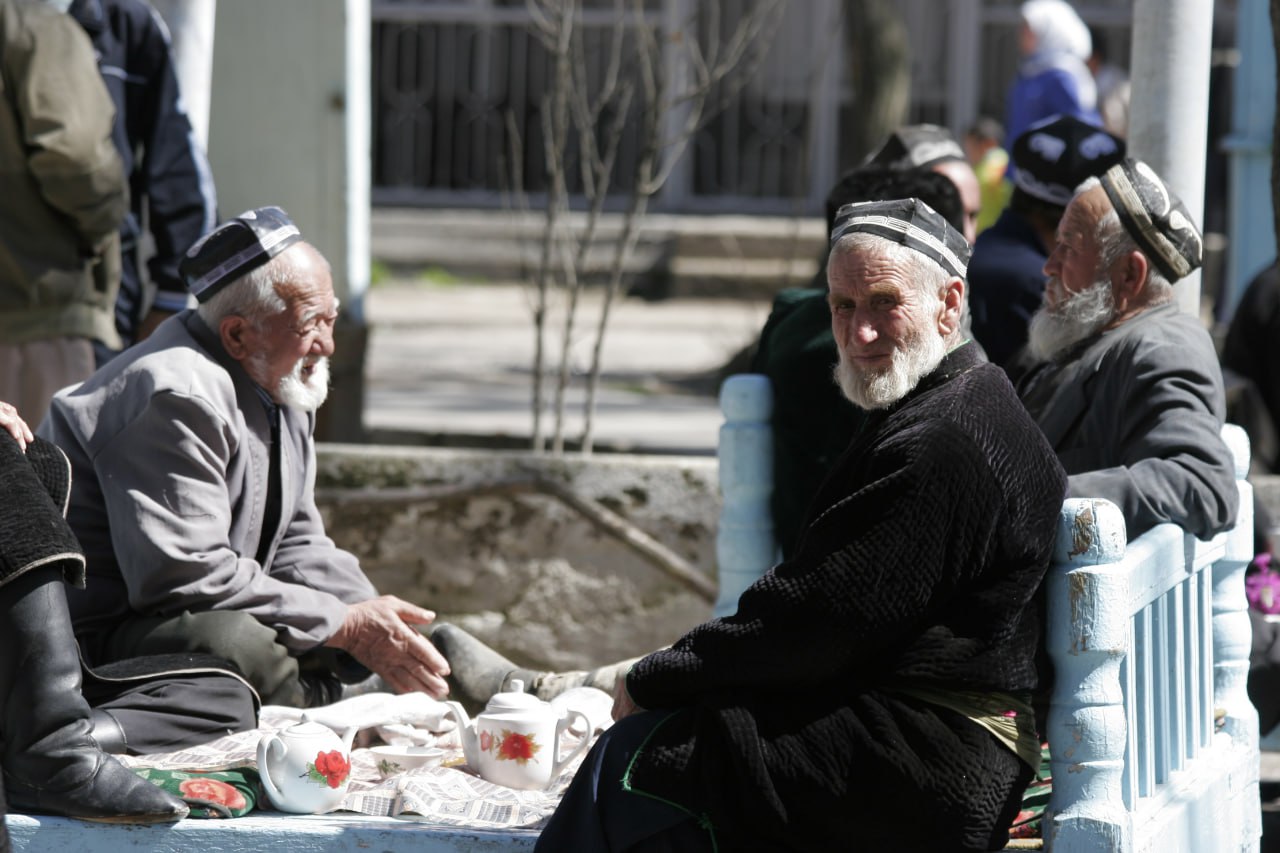
One particularly striking insight: Tajiks are more inclined to help others than to expect help in return, creating a unique social fabric of mutual aid and strong horizontal ties. Despite limited economic resources, Tajikistan still ranked in the top half globally, reaffirming the resilience of its moral and cultural traditions built on the principle of “one for all.”
Central Asia emerges as one of the world’s most supportive regions
The 2025 World Happiness Report includes four Central Asian countries—Kazakhstan, Uzbekistan, Kyrgyzstan, and Tajikistan. Turkmenistan was not ranked due to insufficient data. Overall, the region stood out for its high levels of social cohesion and friendliness, surpassing East Asia in this domain.
Kazakhstan ranked 43rd in global happiness and performed strongly in measures of trust and honesty—30th for returning a wallet to a neighbor and 42nd for returning it to a stranger. Uzbekistan placed 53rd, scoring high in donations (29th) and trust in police (19th). Kyrgyzstan ranked 75th and led the region in helping strangers (55th).
The regional kindness index ranged from 0.30 to 0.36, above the global average of 0.33. These numbers indicate that trust and the willingness to help others remain robust in Central Asia, even in the face of economic difficulties. The report notes that in societies where mutual aid is embedded in tradition, levels of happiness remain stable even when incomes are low.
Researchers described Central Asia as a region with a “warm social climate,” where human kindness often compensates for weak institutions and creates internal resilience.
From Finland to Tajikistan: what the happiest countries have in common
Globally, Finland, Denmark, Iceland, and Sweden continue to top the happiness rankings, thanks to high levels of trust, social support, and personal freedom. New entries into the top ten include Costa Rica, Israel, and Mexico—highlighting the growing influence of Latin America and the Middle East.
At the bottom of the list were Afghanistan, Yemen, and Sudan, where trust and life satisfaction have hit historic lows.
An intriguing section of the report explored the connection between shared meals and happiness. Researchers from Oxford, Harvard, and Gallup found that people who frequently dine together report higher levels of happiness and lower stress.
Latin America and the Caribbean led in the number of shared meals—on average nine times a week—while solo dining is becoming more common in South and East Asia.
The report concludes that kindness, trust, and a culture of togetherness are stronger predictors of happiness than material wealth.