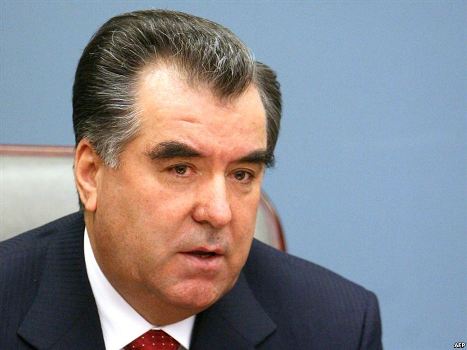
In a key diplomatic engagement, Tajikistan’s President Emomali Rahmon met with U.S. President Donald Trump in Washington on November 6, on the sidelines of the Second Central Asia–United States Summit (C5+1), signaling a renewed commitment to strengthening bilateral ties, according to the Tajik president’s official website.
The high-level meeting covered a broad spectrum of issues, focusing on the current state and future potential of cooperation between the two countries.
President Rahmon began by expressing gratitude to President Trump for the official invitation and warm hospitality. He emphasized the critical importance of global peace and stability, calling them the foundation for sustainable development worldwide.
During their talks, the two leaders reportedly placed strong emphasis on enhancing trade, economic, and investment cooperation. President Rahmon highlighted the presence of more than 70 American-invested companies currently operating in Tajikistan, particularly in the industrial and mining sectors. Both sides agreed that expanding collaboration in areas such as mineral extraction and processing—especially of rare earth metals—serves the mutual interests of both nations.
The leaders also discussed the untapped potential for broader economic engagement, identifying opportunities in energy, agriculture, transport, science, artificial intelligence, and advanced technology as key areas for future investment and innovation.
Security cooperation was another central theme, with both presidents reaffirming their commitment to combating modern global threats, including terrorism, extremism, and narcotics trafficking.
According to Khaama Press News Agency, regional analysts view the meeting as part of a broader U.S. strategy to deepen its presence in Central Asia and reduce reliance on traditional power brokers in the region. The talks are seen as a potential turning point in U.S.–Tajikistan relations, moving beyond diplomatic rhetoric toward concrete agreements in economic and security spheres.
If followed by actionable commitments, observers say the meeting could pave the way for a significantly expanded partnership between Washington and Dushanbe.