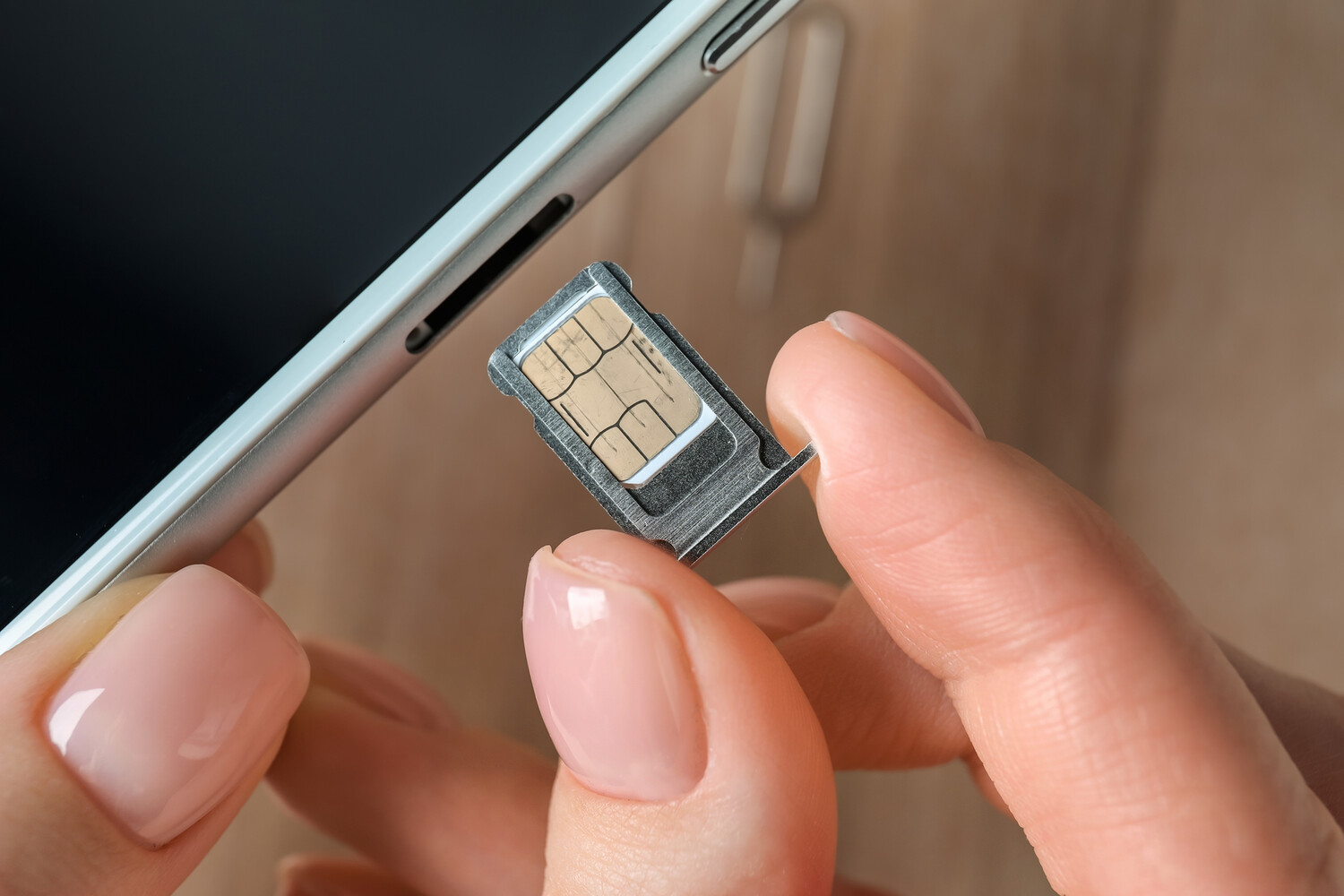
Russia has launched a new security measure aimed at preventing the use of SIM cards in drones. Starting November 10, mobile operators have begun blocking mobile internet and SMS services for up to 24 hours after a Russian SIM card is activated following international roaming or has been inactive for over 72 hours.
The Ministry of Digital Development confirmed the launch of this measure, which is currently in a trial phase. The initiative, according to officials, is designed to reduce the risk of SIM cards being used in unmanned aerial vehicles (UAVs), also known as drones. The temporary restrictions are seen as a step towards enhancing citizen security, as reported by Gazeta.ru.
Subscribers affected by the new rules will receive an SMS notification with instructions on how to remove the block. The unlock process can be completed either by following a CAPTCHA verification link provided in the message or by contacting the operator’s call center to confirm their identity.
Similar restrictions are already in place for foreign SIM cards. When these cards are used within Russia’s roaming network, internet and SMS services are also blocked for 24 hours.
Some users have already received notifications about the new "cooling-off period." One such message, shared by Ura.Ru, reads: "Hello. We inform you that upon returning from abroad, access to mobile internet will be limited for 24 hours. You will receive an SMS from your operator to complete the authorization process."
Experts suggest that the measure could be effective in curbing the use of SIM cards in drones. Igor Bederov, head of investigations at T.Hunter, explained that when a SIM card crosses a border, the operator loses control over its use, which makes it easier for such cards to be employed in drones.
IT analyst Denis Kuskov believes the initiative is part of a broader effort to combat the "gray" import of SIM cards, which might be used for illegal purposes. Anton Prokopenko, a representative of the IT company Vigo, noted that many "orphaned" SIM cards—often registered under real individuals who are unaware of their existence—remain in circulation. Some of these cards have indeed been found in drones.
Roman Tinyayev, an expert at Strategy Partners, pointed out that such measures are not unique to Russia. Other countries also have stringent control procedures. In the United States, for example, SIM card owners must undergo mandatory identification, while in Israel, enhanced checks are carried out in conflict zones. In India, mobile internet and calls can be temporarily disabled during security threats.
As Russia continues to face security concerns linked to drone usage, the new SIM card restrictions are expected to be an important part of the country’s strategy to tighten control over communication channels and prevent misuse in military and surveillance operations.