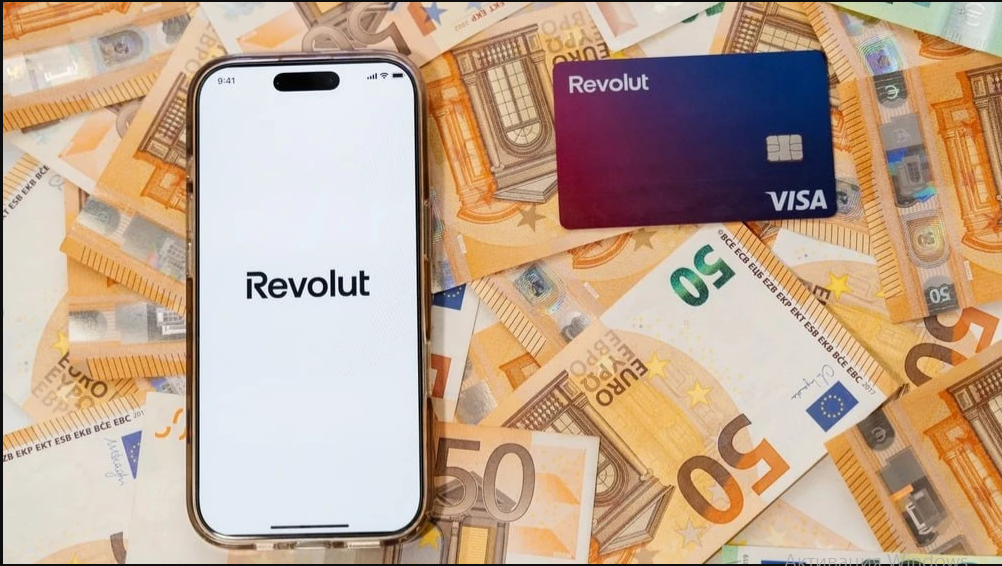
British fintech bank Revolut has blocked account top-ups from bank cards issued in 52 countries, including Tajikistan, Uzbekistan, and Kazakhstan, affecting customers residing in European Union countries, according to Oninvest.
Users attempting to fund their accounts receive the same message: “Top-up card is no longer supported.”
The list includes countries that saw large-scale Russian migration after 2022 (such as Armenia, Georgia, Kazakhstan, Kyrgyzstan, Turkey, the UAE, Serbia) as well as popular tourist destinations like Thailand, Cuba, and Vietnam.
Revolut's customer support clarified that, as of December 1, 2025, the bank stopped accepting card top-ups from these countries for EU-based users. The restriction is not temporary — future transactions of this type will also be blocked.
Importantly, the banks that issued these cards are not under international sanctions. Revolut says the ban is linked to updated compliance policies from global payment providers. Tajikistan, Uzbekistan, and Kazakhstan were classified as “high-risk countries” for top-up transactions.
“This is not a decision made by Revolut alone but a requirement from our payment processing partners,” the bank said in response to a user inquiry.
Customers have also encountered errors when trying to top up via mobile apps of CIS banks. However, alternative methods are still available:
· via Apple Pay and Google Pay;
· through international bank transfers.
Tied to EU sanctions?
The restrictions may be linked to the EU’s 19th sanctions package against Russia, which came into effect on November 12, 2025. Among the targeted institutions are three Tajik banks: Kommertzbank of Tajikistan; Spitamen Bank; Dushanbe City Bank.
According to the EU Council, these banks are accused of facilitating financial sanctions evasion and supporting the Russian economy and military operations. As a result, they are banned from conducting any transactions with EU citizens or entities.
The National Bank of Tajikistan (NBT) announced on October 24 that it was monitoring the situation with international partners. However, Asia-Plus has yet to receive a response to its inquiry regarding the results of this analysis.
Sanctioned Tajik banks have described the measures as unjustified, and some local experts argue that the overall impact is limited, since the entire financial system isn’t affected. Others view the sanctions as a serious warning, suggesting that Tajikistan is no longer seen as a neutral transit zone.
Analysts recommend using this moment as an opportunity to increase transparency and engage with the EU to ensure the current sanctions remain isolated. Without such efforts, they warn, future sanctions could target a wider range of institutions.