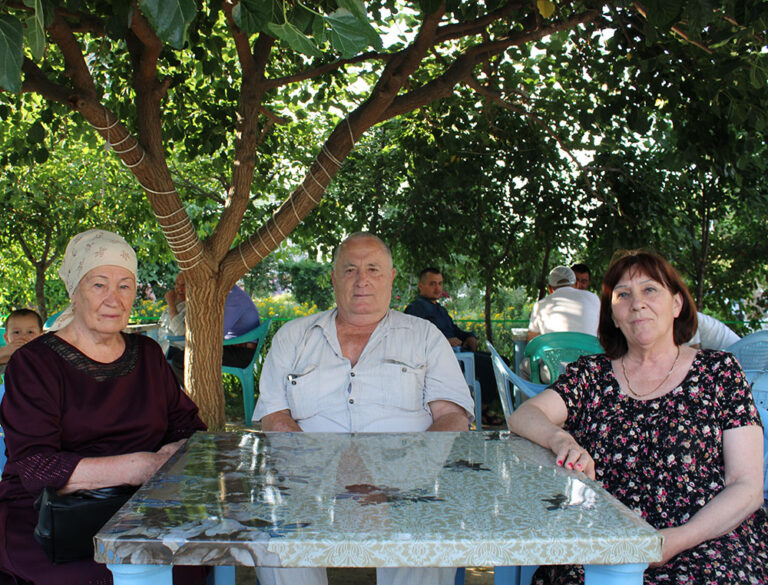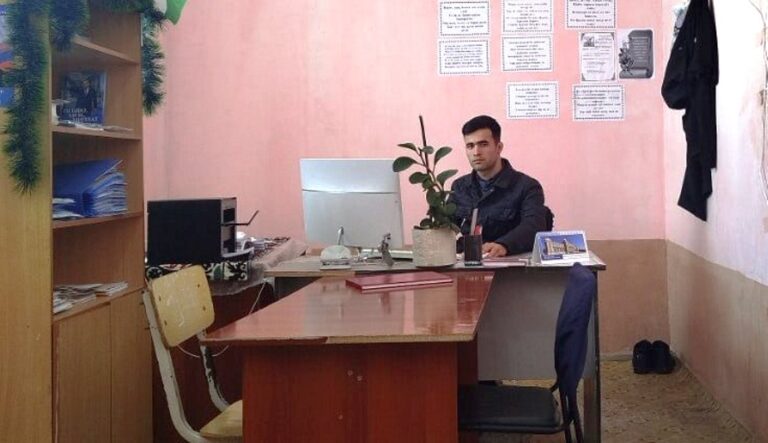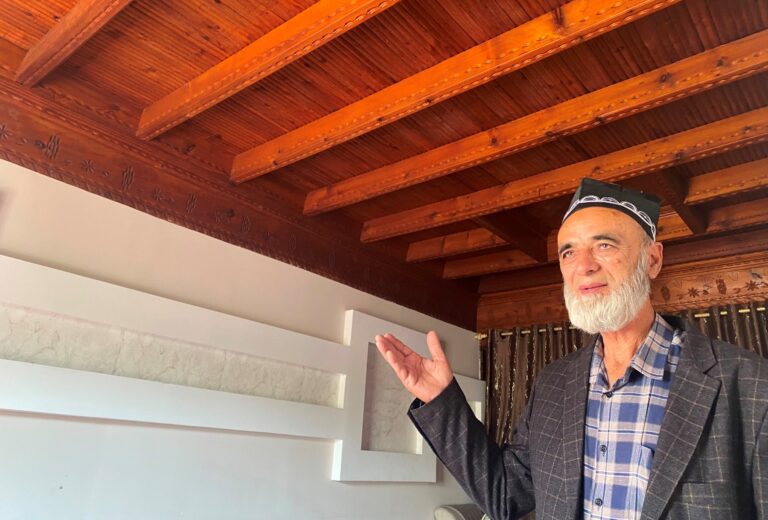
Residents of the Hayoti Nav settlement in Hisor district of Tajikistan, all of whom are visually impaired, are once again facing the problem of electricity cuts. A group of blind individuals contacted Asia-Plus to report that their homes have been left without power, and there is no heating system. The situation is particularly dire for elderly people with chronic illnesses.
According to the 76-year-old Nozimjon Sharifov, who worked for 53 years at the blind people's factory, the winter for residents of the settlement begins once again with darkness and cold. "The houses are cold. There is nothing to warm up with. We don’t know who to turn to anymore…" he says bitterly.
Previously, other residents of the settlement raised similar issues regarding electricity outages and water shortages, but the problem remains unresolved.
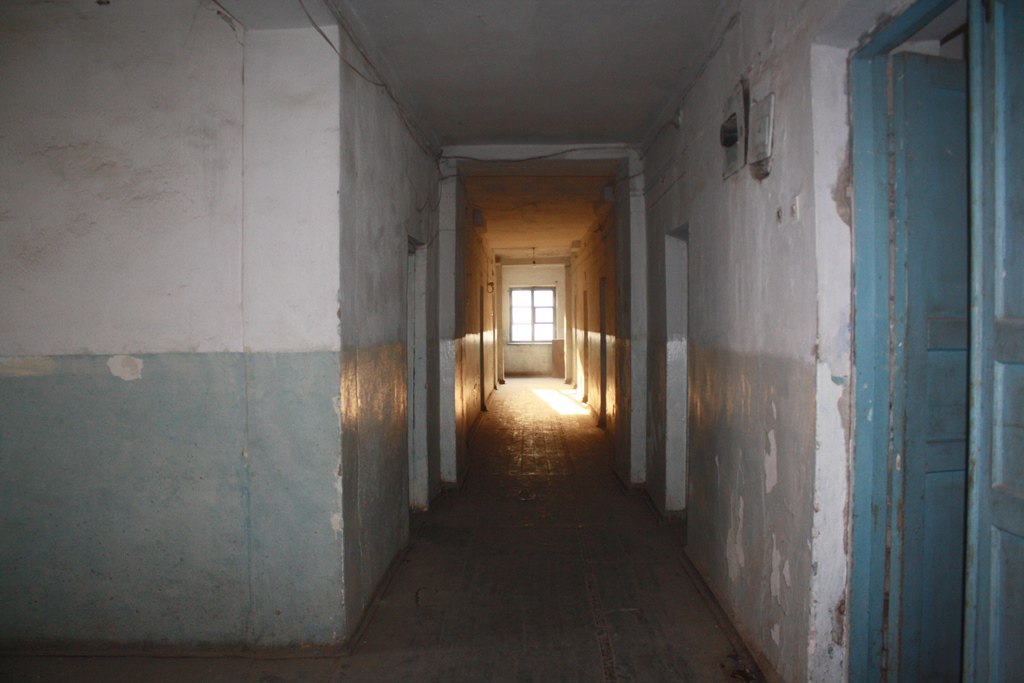
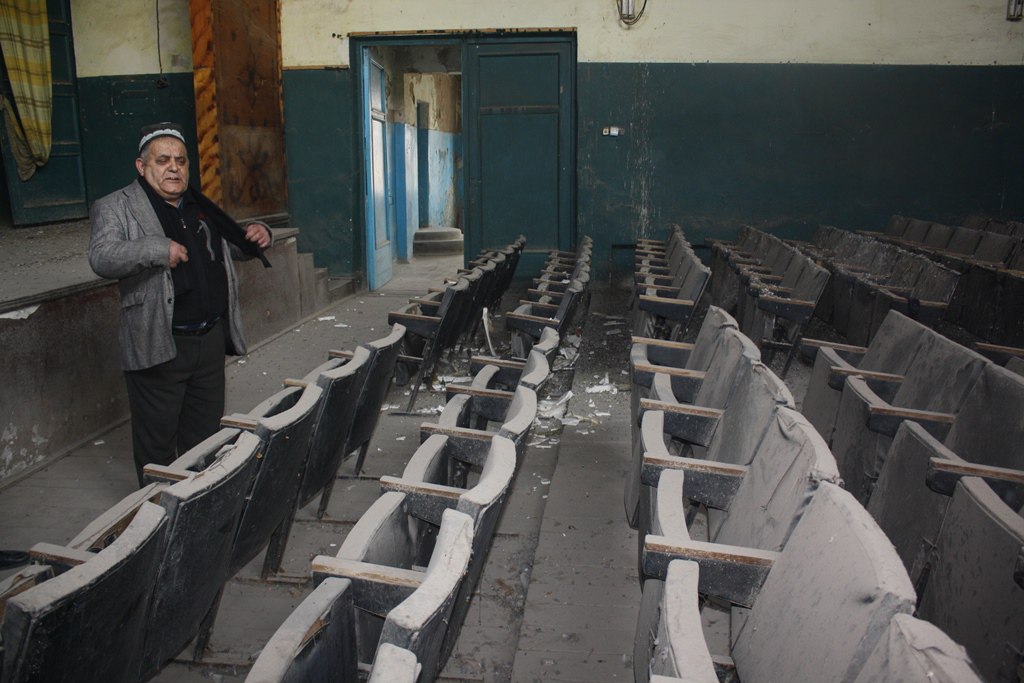
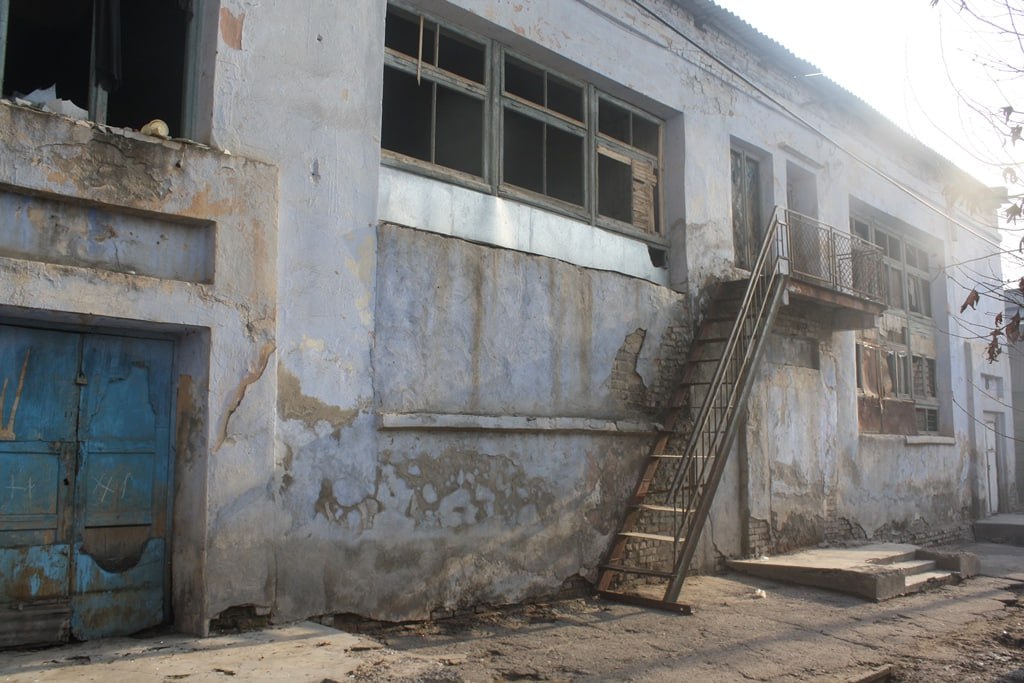
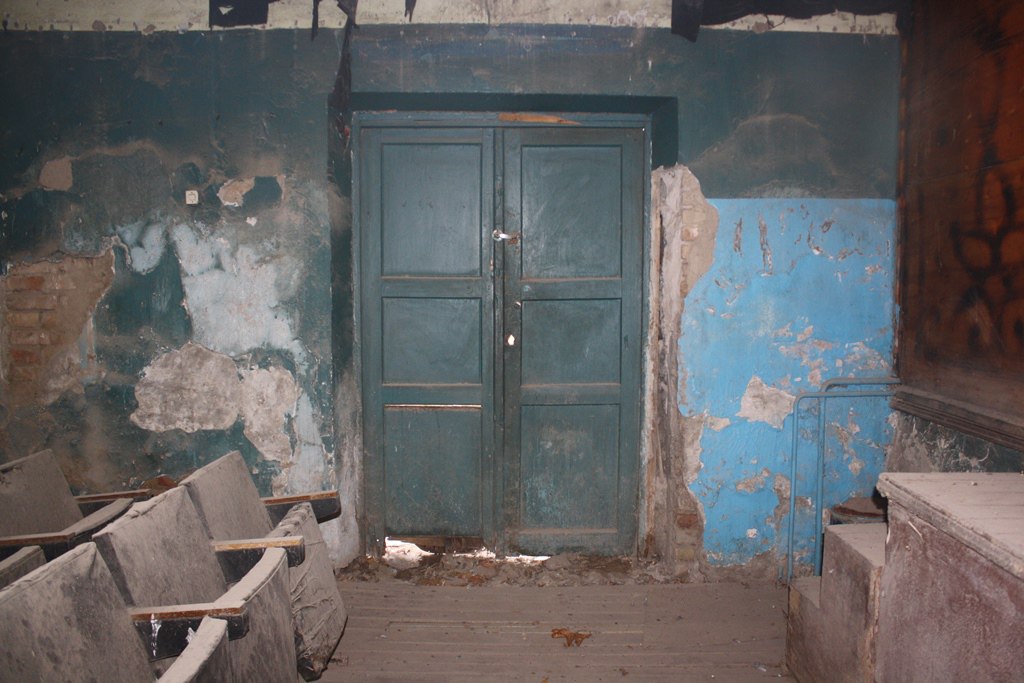
The situation in Hayoti Nav is a result of the long-term deterioration of the settlement's infrastructure. Once created for the visually impaired, the settlement now resembles an abandoned survival camp. The cultural house is in ruins, the library has fallen apart, and the boiler room has been looted. Residents, who have no heating, are forced to try to keep warm with blankets, mattresses, and anything else they can find. But this is clearly insufficient, especially for those with chronic illnesses.
Unfortunately, these complaints are not new. Citizens like Group 1 disability holder Amirjon Ghaforov have repeatedly contacted Asia-Plus, reporting the poor living conditions, but responsible authorities continue to make promises without real action. In 2023, Ghaforov even went on a hunger strike to draw attention to his situation. However, despite numerous complaints and promises from officials, the issue remains unresolved for almost two decades.
So, what is the cause? Experts and local activists are convinced that a solution is possible. The first step would be creating a state program to restore the infrastructure of Hayoti Nav, including repairing the electrical grid, water supply, and residential buildings. There are also plans to restore the cultural house and library, as well as create new jobs for the blind. Attracting international organizations such as JICA, and UNDP, which have experience supporting people with disabilities, could also be an important step.
In addition, one solution could be the creation of a social enterprise at the factory — workshops for producing mesh, packaging materials, or souvenirs, as well as educational printing workshops. This would help provide people with jobs and stable incomes.
However, the plans of the authorities remain unclear. The only positive development occurred after Amirjon Ghaforov reported that local authorities had restored electricity in the settlement. Electricity will be supplied within the established limit and under an energy-saving regime.
Asia-Plus will continue to monitor the situation with the power supply to the settlement and potential measures to improve the living conditions of local residents.