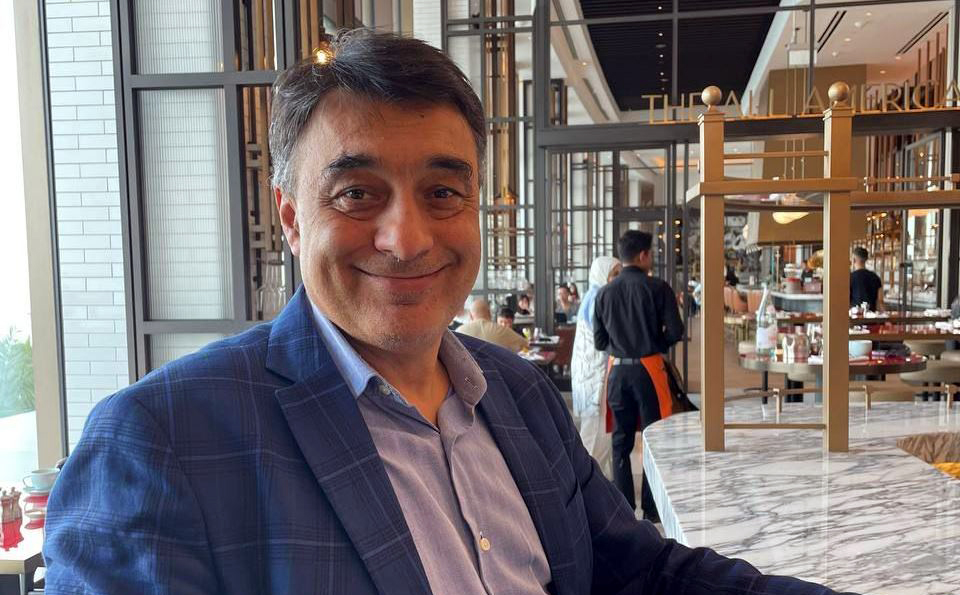
On January 1, 2026, Muhsin Muhammadiyev passed away at the age of 59 after a prolonged illness. A former national team player for Tajikistan, he also represented several well-known clubs, later becoming a coach, football analyst, and one of the most influential figures in the history of Tajik football.
His passing is a tremendous loss not only for the country's sporting community but for all those who associate the rise of Tajik football with personal dedication, professionalism, and lasting contributions.
For Muhammadiyev, football was never just a profession — it was his destiny, his calling, and a lifelong form of service. His journey spanned the Soviet era, the post-Soviet transition, and the years of Tajik independence, always remaining central to the story of national football.
His name is inseparably linked with Dushanbe's "Pamir", the first major successes of Tajik football at the union level, and later efforts to rebuild and stabilize the sport in the 21st century.
Muhsin Muhammadiyev was born on October 21, 1966, in Dushanbe. From a very early age, his life was deeply intertwined with football. His father, Muslim Muhammadiyev, played for Leningrad’s “Admiralteets” in the 1950s, but a serious injury during the USSR Championship cut his career short.
His father’s unfulfilled dream gradually became his own. Home training sessions, endless football talks, and real match balls brought home from work helped shape Muhsin’s character long before his first official practice.
At age ten, his father took him to the “Hosilot” football school. In the USSR, the youth football development system was an integral part of national sports policy. Muhsin quickly stood out among his peers thanks to his talent and work ethic.
At School No. 54, he would draw portraits of famous footballers, memorize jersey numbers, and dream of playing in big stadiums. His mother, Mahbouba Jalilovna, who worked in the Council of Ministers of the Tajik SSR, affectionately called him “my champion.”
Life dealt him harsh blows. In 1982, his mother passed away after a serious illness. Just two years later, in 1984, his father also died. At just 17, Muhsin and his younger sister became orphans. This was a pivotal moment: he matured quickly, took on responsibility for the family, kept training, and worked night shifts unloading freight cars. During this time, football became more than a dream — it became his lifeline.
After eighth grade, he enrolled in a sports boarding school, where everything revolved around professional athletic development. Coaches like Salimjon Sultanov, Sergey Li, and Georgy Kukushkin played a major role in shaping his skills. Special influence came from Yuri Fedosov, who helped Muhsin transition from youth to senior-level football.
In 1983, at age 17, Muhsin made his debut for Pakhtakor (Qhurgho Teppa, currently Bokhtar) in the USSR Second League. His performance caught the eye of professionals, and soon Pamir’s head coach, Vladimir Gulyamkhaidarov, invited him to join the training camp.
Muhsin was scoring regularly and also enrolled at the Tajik Institute of Physical Education. In 1984, Pamir was taken over by Yuri Syomin, who recognized the young striker’s potential but chose not to rush his full debut.
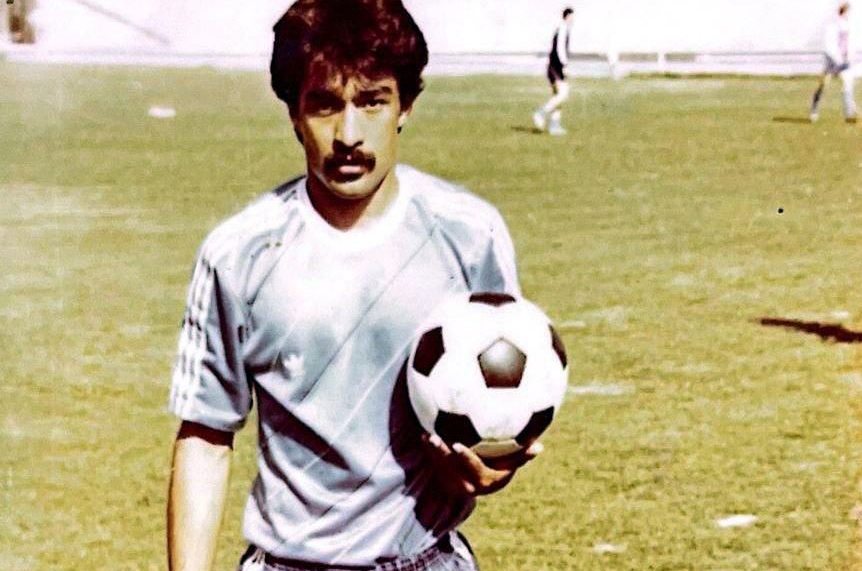
By October 1985, Muhsin had become a first-team player for Pamir, which at the time was seriously competing for promotion to the Soviet Top League. A defining moment came during a match against CSKA, when Pamir was allegedly “advised” to lose. However, they won 1–0, after which seven starting players were abruptly drafted into the army. Despite this, the team’s fighting spirit remained strong — its resilience forged during that exact period.
Muhsin Muhammadiyev entered the 1990s at the height of his career. The collapse of the USSR, civil war in Tajikistan, and a general atmosphere of instability coincided with his move to Moscow’s Lokomotiv in 1992. In 1994, he fulfilled a lifelong dream by joining Spartak Moscow.
During this period, he became one of the few players to represent two national teams — Tajikistan and Russia — reflecting the complexities of the era and his unique personal journey.
His career went on to include stints with Turkiye’s Ankaragücü, Austria’s Austria Wien, and Russian clubs such as Torpedo, Arsenal Tula, and Shinnik. He also played for Uzbek sides Bukhara and Samarkand. These experiences made him a versatile football figure, deeply familiar with various footballing cultures and systems.
After retiring from playing in 2006, Muhammadiyev transitioned into coaching and football administration. He worked with clubs including Vityaz, Ordabasy, and Bukhara, and served as Sporting Director of Rubin Kazan for four years. In 2013, he took charge of the Tajikistan national team, and in 2022 became vice president of Istiqlol. In 2024, he returned to his home club, Vakhsh, embracing what he saw as a mission — to rebuild the club and restore its competitiveness.
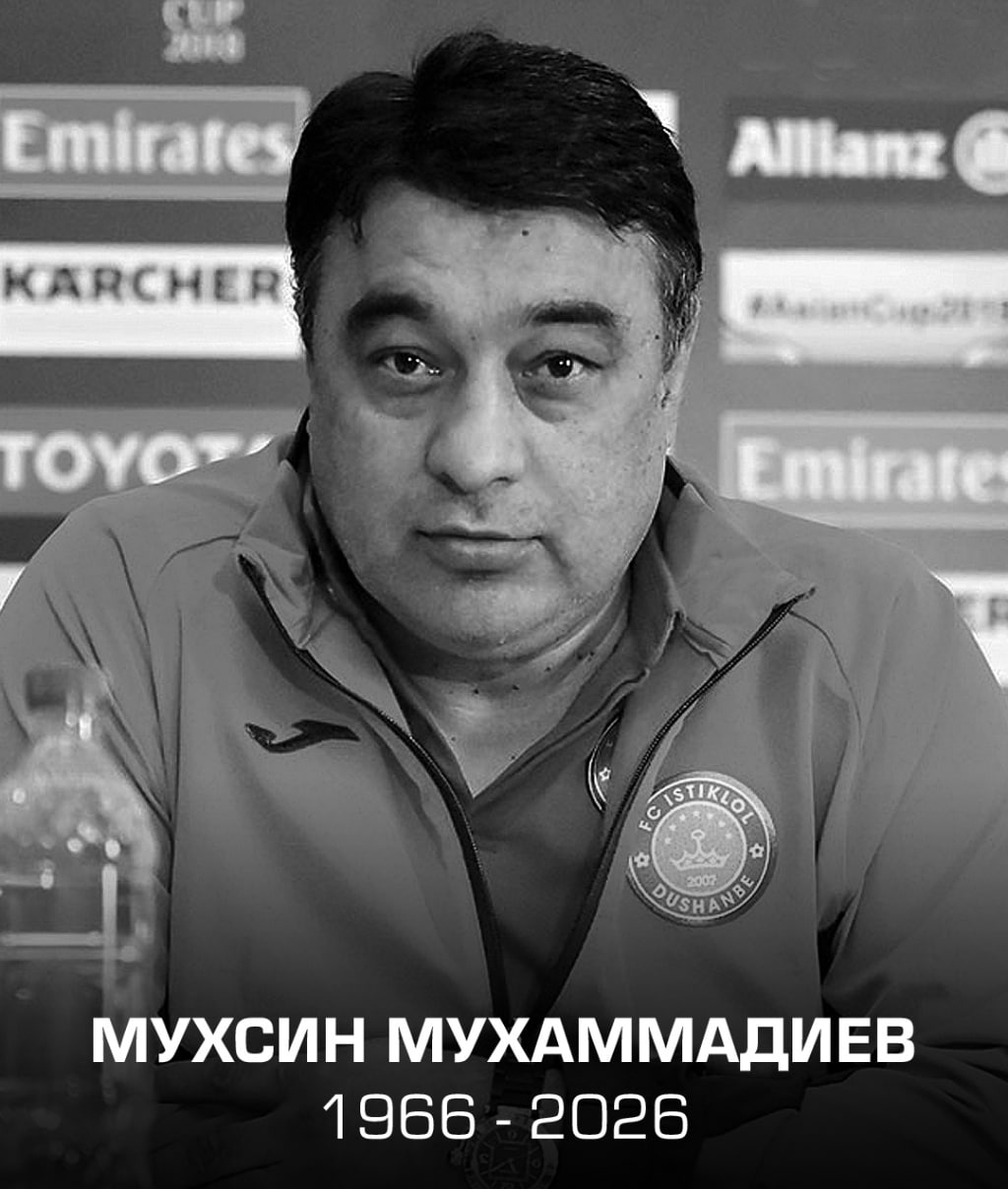
Muhsin’s personal life was equally rich. His wife, Mohira Nasyrova, is the daughter of well-known youth coach Sobirjon Nosirov. The couple met in football circles and married in 1988. They had three daughters.
At home, he was a devoted father who made up stories for his children, loved history and poetry — especially the rubai of Omar Khayyam. His home was always open to friends, and his signature pilaf and omelets became legendary in the family.
The final years of his life were particularly difficult. Immersed in developing Vakhsh, Muhammadiyev gave himself entirely to the job. During a flight to a training camp in Turkiye, he suffered a stroke but continued working. A second, more severe stroke followed, which he kept secret from his family. Despite the efforts of doctors in Turkiye and Russia, the illness proved insurmountable.
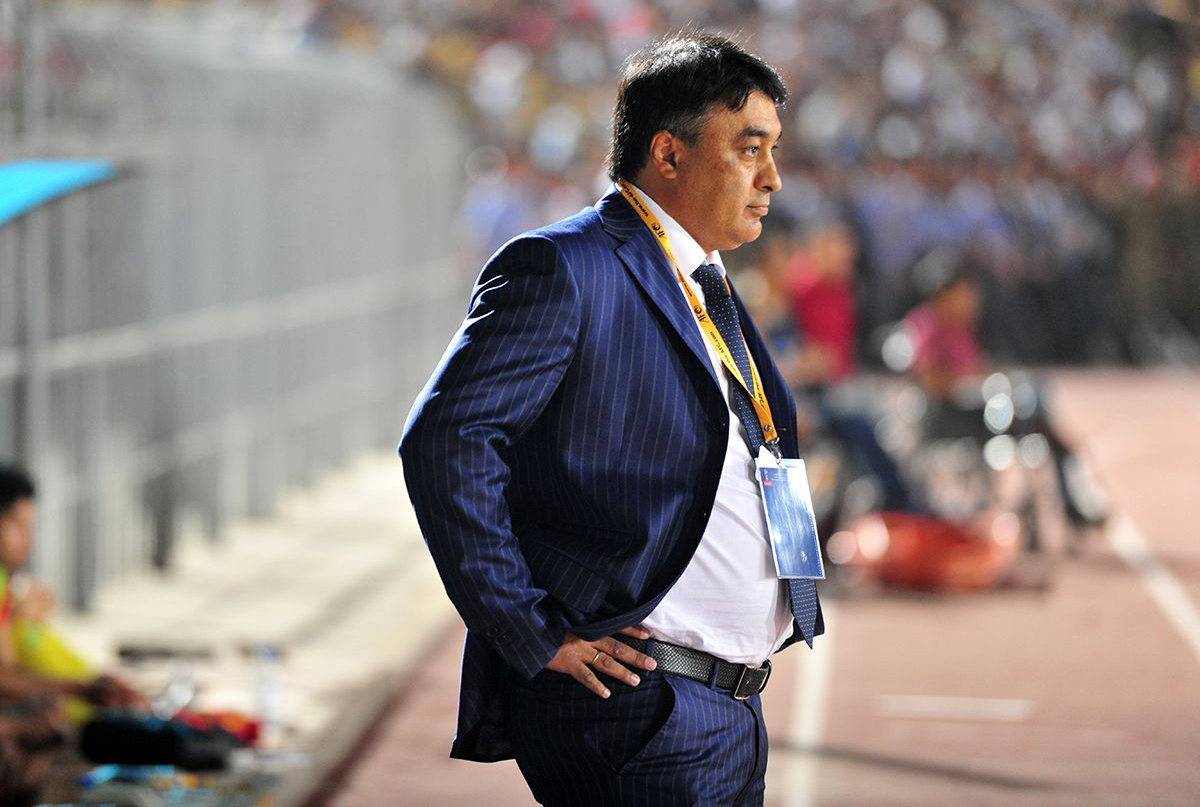
Muhsin Muhammadiyev left behind more than just titles and statistics — he left an example. He showed how to live for football, to serve the system without betraying oneself, and how to remain human even in the most difficult times.
It is hard to speak of him in the past tense. He will forever live in the memory and hearts of those who knew him and appreciated his contribution. The Asia-Plus Media Group expresses sincere condolences to his family and loved ones.