Tajikistan has entered 2026 with an unusually warm winter. Meteorologists forecast not only above-average temperatures but also sharp cold spells toward the end of winter and early spring. Such climate volatility is raising serious concerns among farmers, as it may negatively affect agriculture and future harvests.
Warm January and the threat of severe frosts
January 2026 has been significantly warmer than usual across Tajikistan. Average temperatures in most regions are expected to be 1–2 degrees Celsius above the long-term norm, while precipitation levels remain below average.
According to the Agency for Hydrometeorology of Tajikistan, nighttime temperatures in lowland areas will range from –5°C to +2°C, while daytime temperatures may reach between +2°C and +12°C. Rain, sleet, and snowfall, as well as stronger winds, are possible in the second half of the month.
At the same time, forecasters warn of sharp temperature fluctuations in February and March. During the third ten-day period of January and in February, abnormally low temperatures of –17°C to –20°C at night cannot be ruled out.
Such fluctuations could severely damage plants and fruit trees that have already emerged from dormancy, posing additional risks to the agricultural sector.
Risks to agriculture
The lack of a stable snow cover combined with mild winter conditions increases the vulnerability of crops. One of the main threats is the early awakening of vegetation.
In southern Tajikistan, early sprouting and bud swelling have already been observed in some fruit trees. If frosts follow, flowers and buds could be damaged, leading to significant crop losses.
“If frost hits plants that have already begun to develop or bloom, the consequences could be very serious,” warns agronomist Bakhtiyor Hoitboyev.
Warm winters also allow insect pests, harmful bacteria, and fungi to survive and multiply. This poses a particular threat to winter crops, which normally benefit from the protective effect of snow cover.
Farmers’ concerns
Farmers across the country are increasingly worried about the situation.
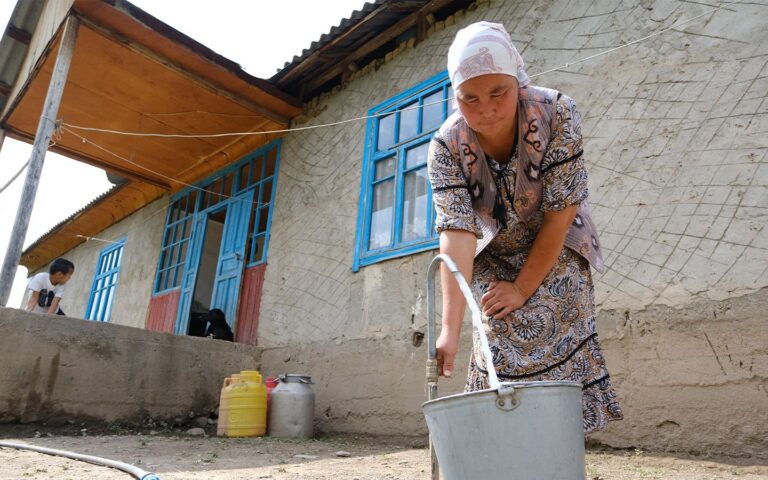
“If snow does not fall and frost comes when plants start growing, we could lose a large part of the harvest,” said a farmer from Hisor. He noted that irrigation can help in some areas, but access to water remains limited in many regions.
Orchard owners share similar concerns. “After frost damage to vineyards in 2021, we started covering them with plastic. But if cold weather arrives earlier than expected, the risks remain high,” said one grower.
Expert recommendations
Doctor of Sciences in Agriculture Qurbonali Partoyev advises farmers, especially those working on irrigated land, to carry out winter irrigation.
“Winter irrigation helps delay premature plant growth and destroys pest larvae that could damage crops in spring,” he explained. In the absence of snow, this measure becomes particularly important.
Experts also recommend mulching, which helps retain soil moisture and reduce damage from summer heat.
Adapting to climate change
Scientists and agricultural experts emphasize the need to adapt Tajikistan’s agriculture to climate change. The country is already implementing programs to modernize irrigation systems and improve water management.
Key adaptation measures include introducing drought-resistant crop varieties, expanding drip irrigation, and using modern methods to protect plants from pests and diseases.
“Training farmers in modern agricultural technologies is one of the key factors for ensuring resilience in the face of climate change,” agronomist Bakhtiyor Hoitboyev noted.